A solo safari in Tanzania can be arranged in several ways. Some travellers prefer a private vehicle and guide, with the freedom to set their own pace. Others would rather join a small group, share the cost of transport and meet fellow travellers along the route. Neither option is automatically better. The right choice depends on dates, budget, preferred accommodation, comfort with group travel and how much flexibility matters during game drives.
The main cost difference is that safari transport and guiding are often shared across a group, while a solo guest may be paying for the same vehicle and guide alone. Accommodation can also carry a single supplement when a room or tent is priced on double occupancy. Tanzania Beauty Safaris can explain these elements in a written quotation so a solo traveller can compare the real total rather than relying on a headline per-person price.
Choosing between a private safari and a shared departure
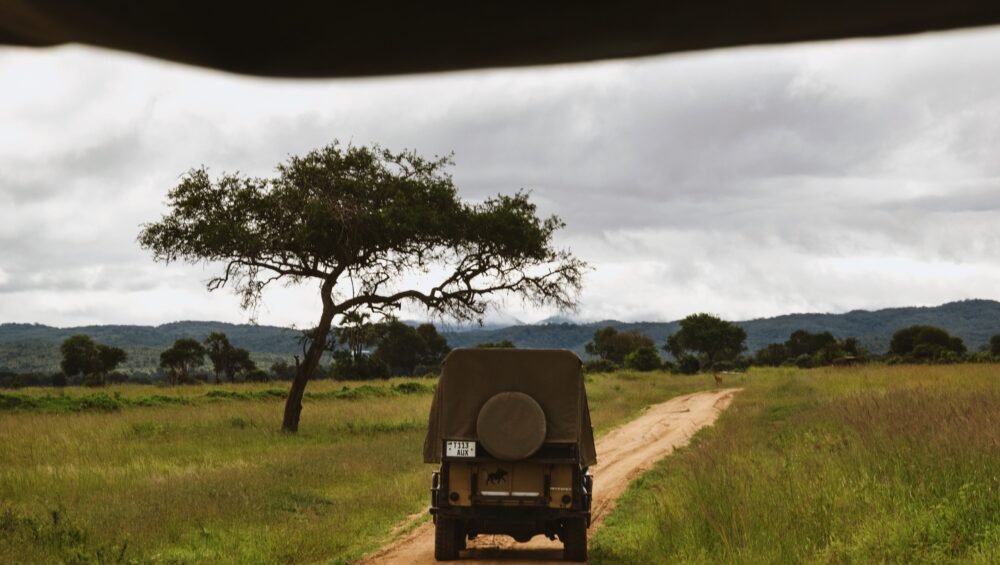
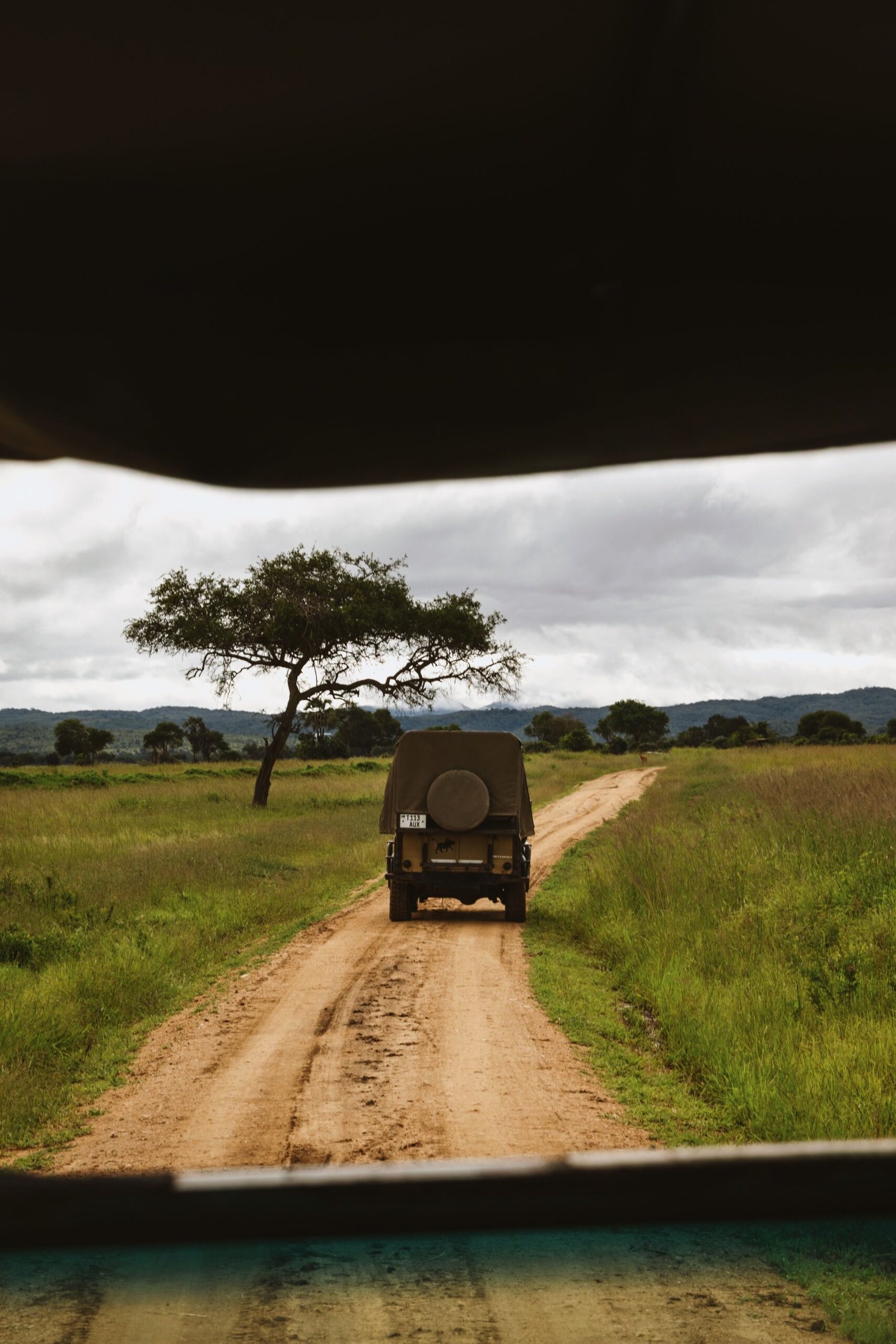
A private safari gives one traveller a dedicated vehicle and guide. That arrangement offers the greatest control over the daily rhythm: how long to stay at a sighting, when to leave camp, whether to spend more time photographing birds or mammals and how to adjust the route when conditions change. A solo guest may value that flexibility, especially on a specialist itinerary such as birdwatching, photography or a migration safari where timing and location matter. The trade-off is cost. The vehicle, guide, fuel and some operational expenses do not become half-price because only one person is travelling, so the cost per person can be higher than it would be for two or more guests sharing the same vehicle.
A shared safari can make the per-person price more accessible, provided there is a suitable departure on the dates the traveller wants. Guests share the vehicle and follow a fixed or semi-fixed itinerary, which can be enjoyable for people who like meeting others and do not need complete control over the schedule. Before joining, check the maximum group size, the number of days, the accommodation standard and whether the departure is guaranteed or depends on reaching a minimum number of participants. A low advertised price may assume a full vehicle, so ask what happens if fewer people join and whether the price changes.
The two formats can also be combined. A traveller might join a group for the main northern circuit and arrange a private transfer or short private extension at the beginning or end. Another may choose a private safari for the Serengeti and Ngorongoro, then share a day trip or activity elsewhere. The important point is to compare the actual inclusions rather than just the word ‘private’ or ‘group’. Ask whether park fees, meals, accommodation, airport transfers, domestic flights and guide services are included. Tanzania Beauty Safaris can prepare both options where availability allows, making it easier to decide whether the extra flexibility of a private vehicle is worth the additional cost.
Accommodation, single supplements and understanding the real cost
Accommodation is one of the most common sources of confusion for solo travellers. Many lodges and tented camps publish rates based on two people sharing a room or tent. When one guest occupies the unit alone, the property may apply a single supplement to cover the difference between single and double occupancy. The amount varies by property, season, room type and booking terms. Some camps have a limited number of single rooms or may waive part of the supplement during selected periods, but this should never be assumed. Ask the operator to show the accommodation basis in the quotation and identify which nights carry a supplement.
A shared safari does not always remove the single supplement. Sharing a vehicle with other travellers is separate from sharing a room. Some group departures offer a single room at an additional cost, while others may offer a twin-share arrangement only if another traveller of the same booking type is available and both guests agree. A solo guest should not be promised a roommate unless the arrangement is confirmed. If privacy is important, request a single room and ask for the total price. If budget is the priority, ask whether there are departures where room sharing is possible and what happens if no suitable match is found.
A useful safari quotation separates the major cost elements. These may include accommodation, park and conservation fees, vehicle and guide services, meals, airport transfers, domestic flights and any optional activities. The price can also change with the number of nights inside the parks, the season, the location of camps and the route between destinations. A solo traveller should compare the final total, not only a per-person figure copied from a multi-person itinerary. For example, a short safari with fewer park nights may have a lower total but could involve more driving, while a longer itinerary may cost more but provide more time in the wildlife areas. The best value is the route that matches the traveller’s priorities and makes sensible use of each day.
Safety, transfers and building a route that works for one traveller
A solo safari should be planned with clear arrangements from the first arrival to the final departure. Confirm who will meet you at the airport, how the transfer driver will identify you, where the first night is booked and who to contact if a flight is delayed. On safari, the guide should explain the daily plan, park rules, communication arrangements and what to do if a guest needs assistance. These are useful questions for every traveller, but they matter particularly when there is no companion to help coordinate details. Keep copies of your itinerary, accommodation contacts and travel documents in a secure place, and share the main plan with someone at home.
The route should be realistic for one person’s interests and energy. A solo traveller who wants to photograph wildlife may prefer fewer accommodation changes and longer stays in one region. Someone interested in seeing several parks may choose a northern circuit that combines Tarangire, Serengeti and Ngorongoro, but should allow enough time for transfers rather than treating every day as a full game drive. If starting from Zanzibar, a domestic flight can reduce road travel, although the flight schedule and baggage limits need to be checked before booking. Travellers arriving through Kilimanjaro or Arusha should also consider whether an overnight stay is sensible before a long safari departure.
Personal safety is best approached through practical arrangements rather than broad promises. Use confirmed transfers, keep valuables discreet in towns and airports, follow the guide’s instructions in wildlife areas and avoid walking away from camp after dark unless staff accompany you. Ask the accommodation what its night escort arrangements are, especially at unfenced camps where wildlife may move through the area. Travel insurance should cover the activities and transport included in the itinerary, and the traveller should understand the emergency contact procedure. Tanzania Beauty Safaris can help organise a private or shared safari and explain the logistics in advance, but the final plan should reflect the traveller’s own comfort level, health needs and travel experience.
A solo safari in Tanzania can be private, shared or a combination of both. The key is to understand how vehicle costs, room occupancy, transfers and park fees affect the total price, then choose a route that gives enough time for the experience you want. Contact Tanzania Beauty Safaris for a clear solo-traveller quotation with private and shared options where available.
Building a practical itinerary for one traveller
A solo safari itinerary should balance independence with the realities of travelling through large protected areas. On a short trip, it is usually better to choose one or two parks and spend enough nights in each than to move every day. Each camp change involves packing, checking out, driving or flying, and settling into a new room. These transitions reduce the time available for wildlife viewing and can make a journey feel rushed. A longer itinerary can include more regions, but the route should still follow a sensible geographic sequence. For example, a northern circuit may combine Tarangire, the Ngorongoro area and Serengeti, while a southern itinerary may focus on Nyerere and Ruaha with transport connections planned around actual flight schedules.
Arrival and departure days need particular care when travelling alone. If an international flight lands late, an overnight in Arusha or Dar es Salaam may be more comfortable than attempting a long transfer immediately. On the return journey, avoid scheduling a game drive and a tight international flight connection on the same day unless the operator has confirmed a realistic transfer plan and a suitable margin for delays. For fly-in safaris, check the airstrip used by the camp, baggage limits, flight days and the transfer from the airstrip to the accommodation. A short flight does not necessarily mean the full journey is short once check-in and ground transfers are included.
If you are comparing overall trip costs and routes, read our Tanzania safari costs guide and guide to travelling from Zanzibar.
Solo guests can also make the experience more rewarding by sharing interests before travel. A birding enthusiast may want a guide who enjoys identifying species, while a photographer may prefer flexible time at sightings. Someone travelling for rest may value a camp with comfortable communal spaces and activities that do not require a full-day drive. Ask whether meals are served at communal tables, whether the camp has single rooms or applies a supplement, and how staff handle transfers after dark. Keep a copy of the itinerary and emergency contact details accessible, and let the guide know if you plan to spend time independently at the lodge. These arrangements provide reassurance without taking away the freedom that makes solo travel appealing.