Serengeti Balloon Safari: What to Expect at Sunrise
A balloon safari changes the scale of a Serengeti morning. From the ground, the plains are experienced through tracks, river crossings, kopjes and the movement of animals across the road. From a balloon, the same landscape opens into a broad pattern of grassland, woodland and winding drainage lines. The flight takes place around sunrise, when the air is cool and the light moves gradually across the plains.
It is an optional activity rather than a replacement for a game drive. The experience has its own early transfer, briefing, weather considerations and landing arrangements, and it needs to be booked around the location of the camp and the operating area. Tanzania Beauty Safaris can help travellers understand how a balloon flight fits into a Serengeti itinerary before they decide whether to add it.
How a Serengeti balloon safari morning unfolds
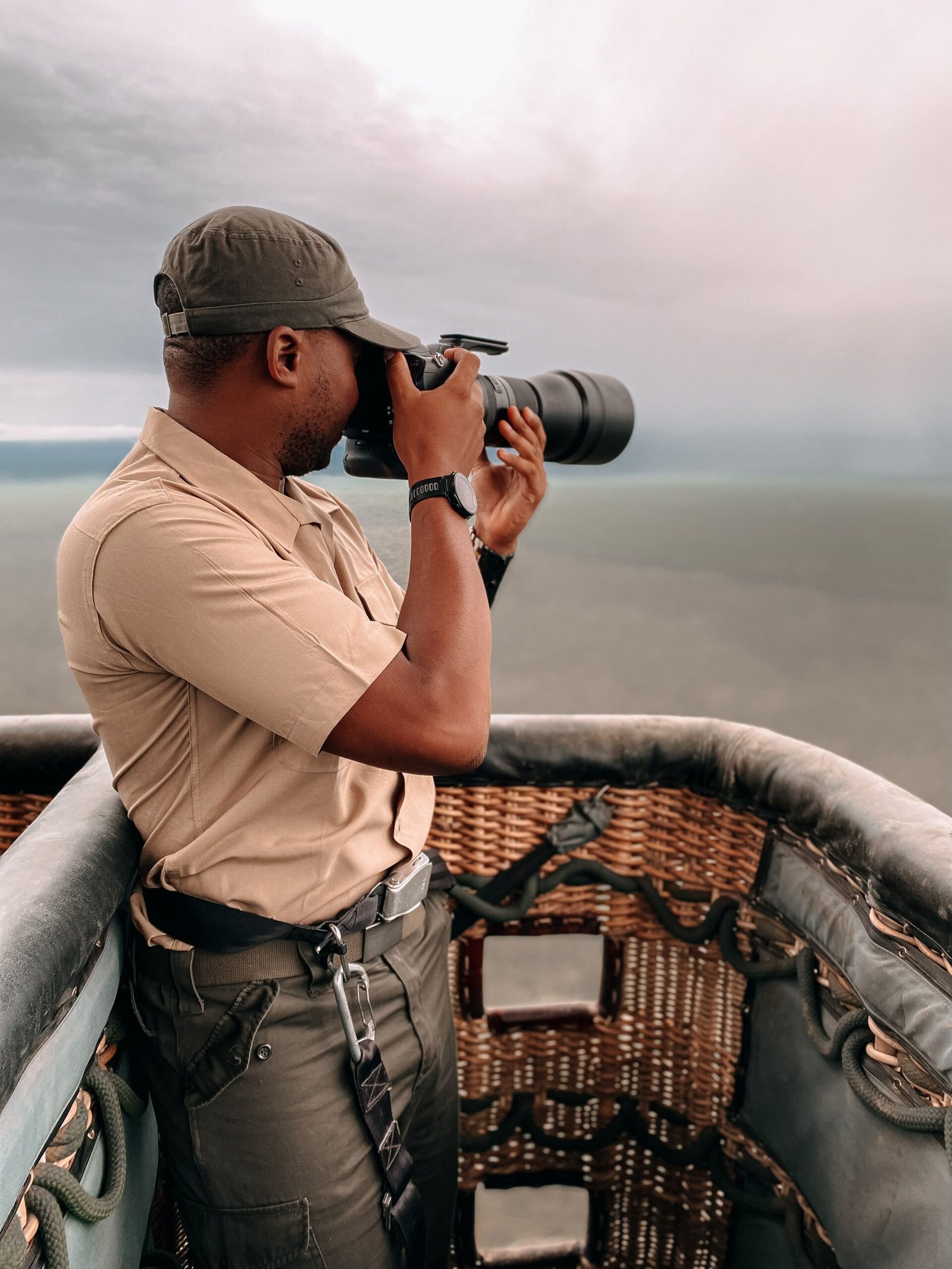
The day usually begins well before sunrise. Guests are collected from camp or lodge accommodation and driven to the launch area, sometimes with a short game drive along the way. The exact collection time depends on the camp’s location, the launch site and the operator’s daily plan. At the launch area, the pilot and ground crew prepare the balloon while passengers receive a safety briefing. The basket, burner and envelope are checked before boarding, and the crew explains how passengers should position themselves for take-off and landing. This part of the morning is worth allowing time for; it is not simply a transfer followed by an immediate flight.
The balloon rises as the sky begins to brighten. A typical flight lasts around an hour, although the actual duration and route depend on weather, wind and operational decisions. Unlike a vehicle, a balloon cannot follow a road or choose a specific animal sighting. The pilot works with the wind at different heights, so the direction and landing area can vary from one morning to the next. Some flights travel low over the grass before gaining height, while others climb earlier to take in a wider view. Passengers should expect a changing perspective rather than a fixed sightseeing circuit.
After landing, the crew secures the balloon and passengers usually continue to a breakfast arranged in the bush or at a designated site. Some operators include a celebratory drink, but the details differ and should be confirmed when booking. The morning may finish with a transfer back to camp or a game drive, depending on the location and operator. One established Serengeti operator publishes a sample schedule that begins with a pre-dawn collection, includes a safety briefing before take-off and places the flight in the early morning hours. That schedule is a useful illustration, not a universal timetable for every camp or launch site. The most reliable plan is the one confirmed for the specific accommodation and date.
What you can see from the air, and what a balloon cannot replace
The main value of a balloon safari is the view of the landscape as a whole. From above, the Serengeti’s drainage lines, seasonal watercourses, woodland patches and open grassland become easier to read. In the right light, herds may appear as small moving patterns across the plains, while elephants, giraffes or other large animals may be visible below. The experience can be especially striking during the migration, when the broad movement of wildebeest and zebra is part of the wider landscape. However, animals are not evenly distributed, and a balloon flight is not designed to guarantee close encounters with a particular species or a dramatic hunting scene.
The wind determines where the balloon travels, so the pilot cannot promise to pass over a lion sighting, a river crossing or a specific herd. Wildlife viewing from the air is also different from viewing at ground level. A distant group of animals may be easy to recognise from above but too far away for detailed observation or photography. The basket moves with the air, and passengers cannot ask the pilot to hover over a location for an extended period. This is why the flight works best as a complement to game drives, where a guide can follow tracks, stop safely and spend time with wildlife at ground level.
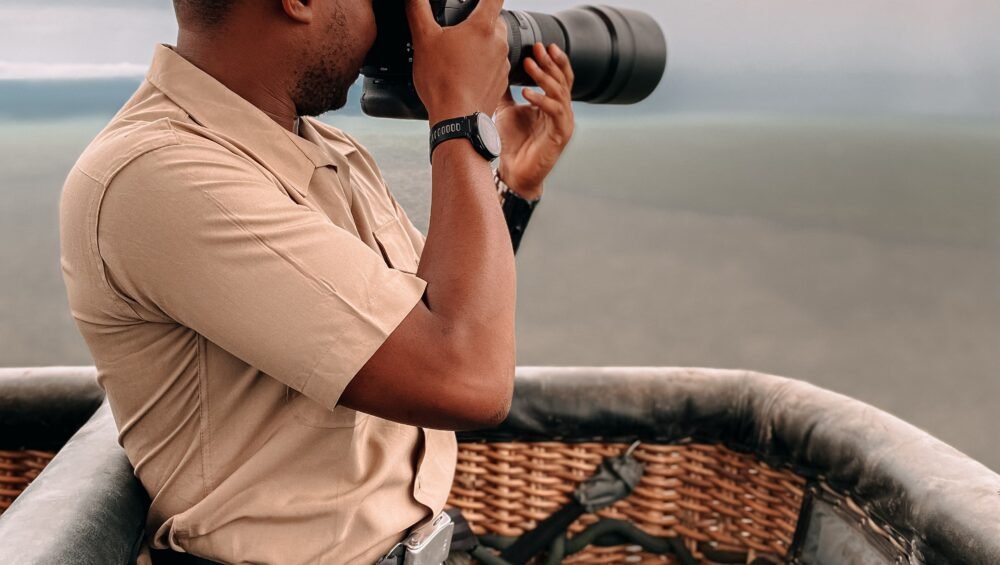
A balloon safari also gives travellers a quieter sense of the Serengeti’s scale. The sound of the burner is intermittent, while the rest of the flight can feel calm as the basket moves with the wind. Early light reveals changes in colour across the plains and can make distant kopjes and river corridors stand out. The view is not the same every day, and the experience should not be judged only by the number of animals seen. A morning with few visible herds can still provide a memorable understanding of the landscape. Travellers who value photography should bring a camera they can hold securely and should not lean equipment over the basket. The pilot’s safety instructions take priority over any photograph.
When to book, where to stay and what affects availability
Balloon flights operate from selected areas of the Serengeti rather than from every camp or airstrip. The location of the launch site matters because the transfer can be long if accommodation is far away. Before adding the activity to a safari, ask which launch area will be used, how early the vehicle will leave camp, whether the return includes a game drive and where breakfast will be served. A camp in the central region may use a different launch point from a camp in the northern or southern Serengeti. The operator should confirm the arrangement for the actual travel date rather than relying on a general description of the activity.
Booking ahead is sensible, especially during busy travel periods and when the itinerary has only one available morning. Balloon capacity is limited by the aircraft and basket configuration, and some departures may sell out before the safari itself. The activity is also weather dependent. Wind, visibility and other operating conditions can lead to a delay or cancellation, even when the forecast looked promising the previous evening. Ask what happens if the flight cannot operate, whether a refund or rebooking is offered and how the activity is handled if a guest misses the transfer. These details should be clear in the written booking terms.
The price is separate from most standard safari packages and varies with operator, location, season and what is included. Confirm whether the quoted amount covers transfers, the flight, breakfast, taxes and any additional service charges. Guests should also check age, health and mobility requirements directly with the operator, because basket access and landing positions may not suit every traveller. Tanzania Beauty Safaris can coordinate a balloon activity with the wider itinerary, but the final flight confirmation comes from the licensed balloon operator. If the flight is important to the trip, allow more than one morning in the Serengeti where possible. That flexibility gives the operator another opportunity to fit the experience around weather and operational availability.
A Serengeti balloon safari is most rewarding when travellers understand its early start, variable route and weather-dependent operation. It adds a broad aerial view to the closer wildlife encounters of a game drive. Contact Tanzania Beauty Safaris to check whether a balloon flight fits your camp location, travel dates and wider Serengeti route.
Weather, safety and what to expect after landing
Balloon flights depend on suitable weather, and the pilot has the final decision about whether conditions allow a safe launch. Wind speed and direction, visibility, rain and local conditions can affect the departure or route. A booking confirmation should explain what happens if the flight is cancelled, including whether a refund or another available date is offered. This matters particularly on a short safari: if the flight is scheduled for the final morning, there may be no opportunity to reschedule. Travellers with a flexible itinerary can consider booking earlier in their stay, leaving another morning as a possible alternative if the operator’s policy and availability permit.
The landing is part of the flight and passengers should listen carefully to the pilot’s briefing. Depending on the basket design and conditions, passengers may be asked to adopt a particular landing position and hold the handles. Do not stand up, reach outside the basket or handle equipment until the pilot or crew says it is safe. Loose hats, lens caps and phones should be secured before take-off. Children and passengers with back, neck, balance or mobility concerns should discuss suitability directly with the balloon company rather than assuming that every passenger can take part. The operator can explain current age, health and weight-related policies.
Before choosing your balloon flight, read our guide to where to stay in the Serengeti and our Serengeti migration safari guide.
After landing, many operators arrange a bush breakfast in the Serengeti, creating time to enjoy the setting before returning to camp. The exact location and menu depend on the operator and operating conditions. Guests should confirm whether transfers back to camp are included and how the balloon activity fits with the day’s remaining game drives. If a flight is followed by a long transfer to another region, allow sufficient time for breakfast, the return journey and packing. A balloon safari is a memorable addition, but it works best when the wider itinerary is not so tight that guests have to rush immediately after landing.