The Best Time to Go on a Safari in Tanzania
The Best Time to Go on a Safari in Tanzania
Understanding Tanzania Safari Timing
Tanzania’s safari experience is deeply connected to the seasons across the country. Climate patterns guide the movement of animals, shape the landscapes, and influence the mood of your journey. A good understanding of seasonal changes gives every traveller the power to plan a meaningful and rewarding safari. During different months, the animals follow water, grass, and comfort. The country receives visitors year-round, so you are always welcome.
Table of contents
- The Best Time to Go on a Safari in Tanzania
- Understanding Tanzania Safari Timing
- Wet Season Safari Highlights
- Dry Season Safari Highlights
- January Safari in Tanzania
- February Safari in Tanzania
- March Safari in Tanzania
- April Safari in Tanzania
- May Safari in Tanzania
- June Safari in Tanzania
- July Safari in Tanzania
- August Safari in Tanzania
- September Safari in Tanzania
- October Safari in Tanzania
- November and December Safari Opportunities
The goal is to match your preferred travel style with the natural rhythms of the land. A guest who enjoys vibrant green plains might prefer the wet months, while another who wants dusty sunsets and clear riverbanks will find the dry period more satisfying. The most beautiful factor is that Tanzania never sleeps. The wildlife is always in motion, and there is always a story to witness.
Explore more about Tanzania Safaris
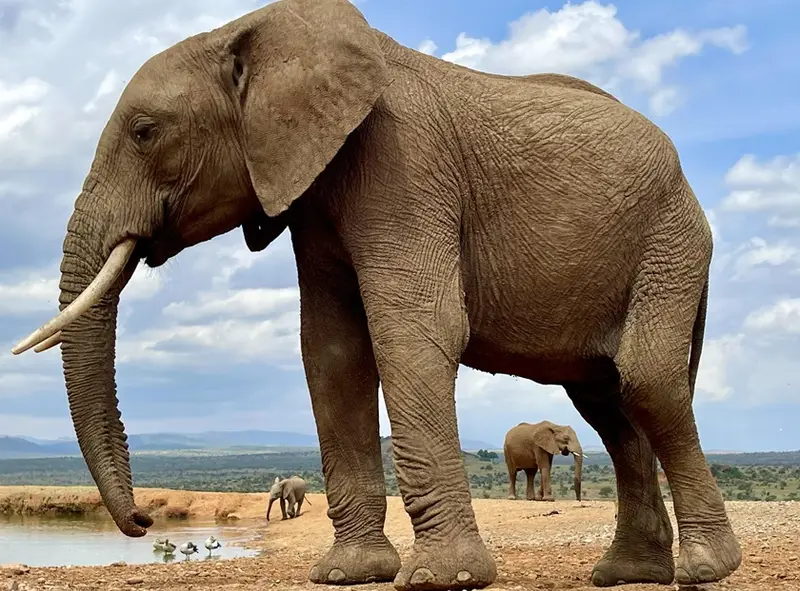
While the Great Migration often steals the spotlight, other experiences also deserve attention. Each region tells its own story, from the sweeping plains of Serengeti to the misty walls of Ngorongoro Crater. The southern parks offer walking safaris full of intimacy, while the western reserves surprise guests with chimpanzee encounters. Timing decides which of these experiences you receive. Planning early helps, but even a last-minute decision can still give you something memorable. The secret is flexibility, open-mindedness, and a deep interest in nature. In Tanzania, every month gives you something new to admire. The smell of rain in the air, the thundering hooves of the migrating herds, the slow pace of an elephant family powdering itself in the dust. These precious memories are available in different forms throughout the year.
Wet Season Safari Highlights
Tanzania’s wet season begins with the short rains around November and continues into the long rains around March. These rains bring fresh life to the savanna, turning plains into bright green carpets. Herds move across the landscape freely and calmly, surrounded by tall grass and colorful birds. This is a peaceful time to explore national parks with fewer vehicles on the tracks. Rain falls mostly in the late afternoon or early evening, giving visitors enough time to enjoy clear morning game drives. The dramatic clouds stretching across the horizon create a stunning background for photographs, while newborn antelopes take their first steps under the careful eyes of their mothers. Travelers who enjoy watching young animals will find the wet season inspiring and emotional.
Another benefit of traveling during the wet season is the calm prices. Many lodges offer special rates, making it easier for families, couples, and solo travelers to enjoy a high-quality safari without breaking the bank. Bird lovers enjoy the arrival of migratory species, and keen photographers appreciate the vibrant light and reflections after rainfall. Although some tracks may become muddy and slippery, experienced guides know how to navigate safely while telling fascinating stories of survival and change. This season also offers a soothing soundscape, with raindrops tapping on leaves and frogs singing near rivers. Anyone looking for a quieter and more reflective safari experience will feel deeply connected to nature during the wet months in Tanzania.
Dry Season Safari Highlights
The dry season is Tanzania’s most popular time for safaris. From June to October, the sky shines clear and the air becomes crisp in the mornings. Wildlife is easy to spot as animals gather around rivers, lakes, and remaining waterholes. This creates excellent opportunities to observe large herds at close range in an open landscape. Elephants, zebras, buffalos, and even shy antelopes venture into visible areas as they follow traditional paths to water. Travelers often describe this period as exciting and dramatic because the lack of water increases predator activity. Lions wait near water points and watch patiently as zebras arrive. It is a real example of nature’s careful balance between life and survival.
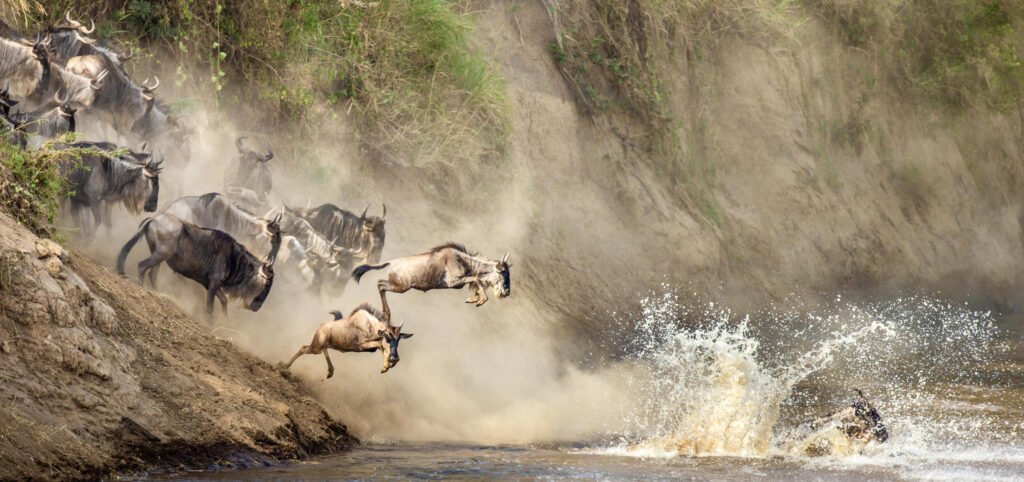
Although visitor numbers increase during the dry season, the experience remains magical. Early bookings help secure good accommodation and avoid last-minute stress. The dry period is ideal for people who want clear visibility, comfortable conditions, and long open game drives. It is a perfect time for first-time travelers and families with children. No rain means less mud, fewer mosquitoes, and easy driving. Walking safaris and night drives are available in the southern parks, offering a stylish mix of adventure and discovery. Whether watching wildebeest cross the Grumeti River or following lion tracks on dusty soil, the dry season delivers unforgettable emotion and beauty in Tanzania’s extraordinary national parks.
January Safari in Tanzania
January is a refreshing month in Tanzania, marking the transition from short rains to a brighter season. The grass remains green and rich, making the landscape attractive. This is the beginning of the calving season in the southern Serengeti and Ndutu region. Thousands of baby wildebeest are born every day, drawing predators such as lions, cheetahs, and hyenas. It is a thrilling moment filled with fierce action and tender family scenes. Travelers who visit in January enjoy dramatic skies, cool mornings, and a sense of renewal across the parks. Rhinos are often seen in the Ngorongoro Crater, where high altitude creates a comfortable and pleasant climate.
Despite the vibrant activity, January is still considered part of the low tourism season, allowing guests to explore peacefully without too many vehicles. Birdwatchers enjoy spotting resident and migratory species, especially around Lake Manyara and Tarangire National Park. The green landscape also helps to create soft and beautiful light for photographers. Accommodation prices remain reasonable and guides are enthusiastic about showing guests the best wildlife spots. For people who want to begin the year with a meaningful and inclusive journey, a January safari in Tanzania offers emotional connections, quiet morning drives, and powerful wildlife drama. It is a perfect time to experience nature’s gentle and fierce moments side by side.
February Safari in Tanzania
February is one of the warmest months in Tanzania, yet it remains comfortable for safari travel. The calving season continues, and the southern Serengeti becomes a living nursery. Young wildebeest take their first steps while their mothers stay alert to lurking predators. Exciting chase scenes and playful interactions happen every day. The rain, when it arrives, falls mostly at night and brings relief to the warm days. Travelers wake up to fresh air and soft sunshine. The combination of green plains and clear morning light creates excellent conditions for photography. It is deeply emotional to observe how young animals adapt quickly to their world.
During February, the parks are not crowded, so game drives feel peaceful and private. Families and couples can enjoy the luxury of staying at prime locations without the rush of peak season. The southern circuit, including Ruaha and Nyerere National Parks, also provides great walking safaris and birdwatching. Weather in high-altitude areas such as the Ngorongoro Crater remains cool and pleasant. While some areas may receive light showers, the roads are still accessible and experienced guides keep safari adventures safe and enjoyable. February offers a great opportunity for visitors who want intimacy, excitement, and warm African hospitality during their safari experience.
March Safari in Tanzania
March marks the beginning of the long rain season. Heavy downpours can appear suddenly and transform the plains into bright green fields. Some lodges in the southern circuit temporarily close during this time, but the northern parks remain active and accessible. Visitors who travel in March enjoy the serenity of less-crowded landscapes. Dust is replaced by fresh soil, and flowers bloom around the edges of woodland areas. Birds become more active, singing and flying between branches. Lake Manyara becomes a prime destination for viewing water birds, storks, and colorful bee-eaters. These beautiful scenes touch the heart of any nature-loving traveler.
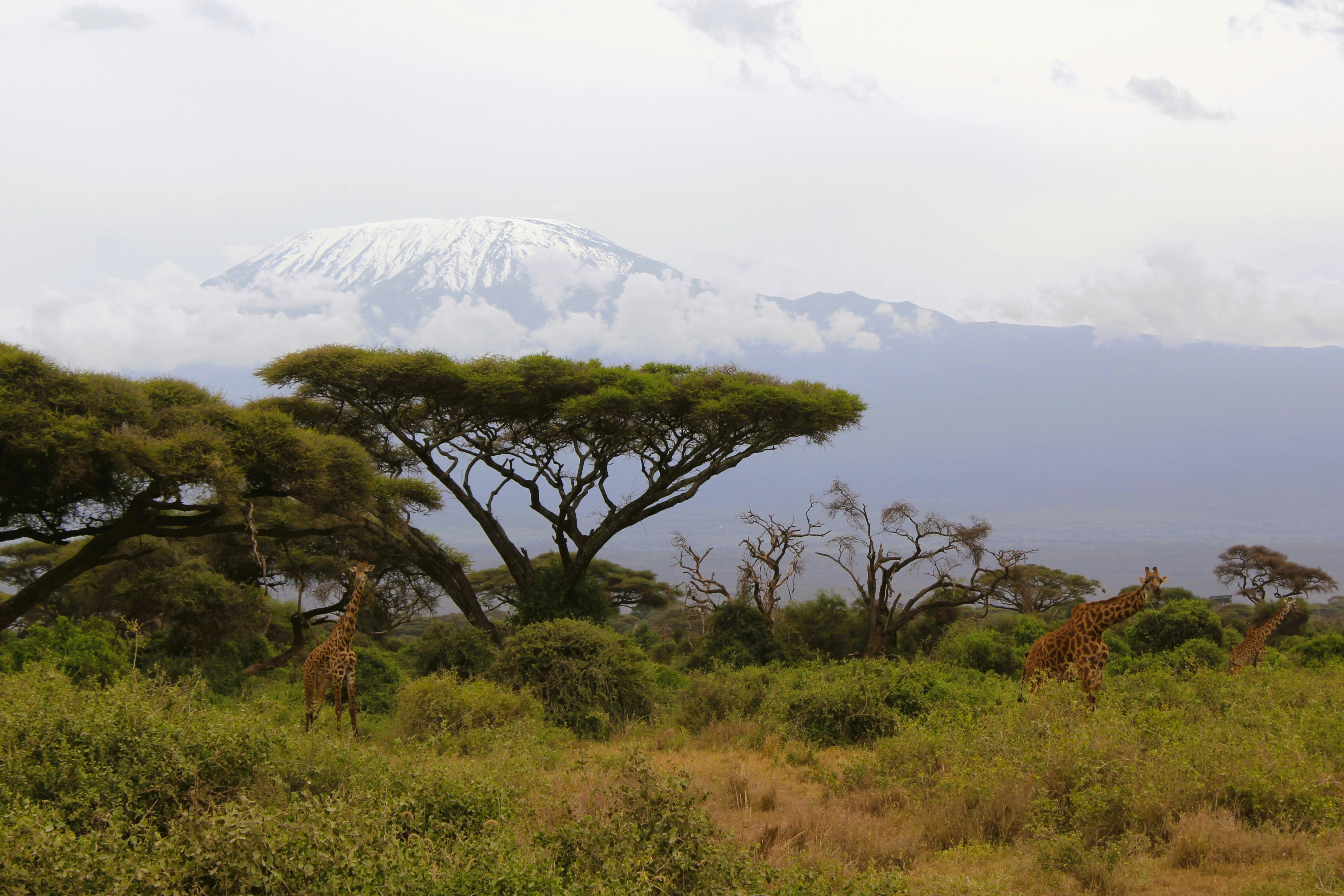
The rain does not fall all day, and long sunny breaks provide time for rewarding morning and afternoon drives. Guides use 4×4 vehicles that handle mud and water confidently. With fewer people on the tracks, safari experiences become highly personalized. You may sit quietly watching giraffes feeding on acacia trees or find elephants bathing calmly in fresh rain puddles. The long rainy season teaches guests patience and appreciation of small and quiet moments. A March safari rewards visitors not with high drama but with peaceful interactions, soft light, and an intimate connection to the regenerating ecosystem.
April Safari in Tanzania
April is one of the wettest months in Tanzania, and for many travelers it is also one of the most rewarding. Rain falls frequently and transforms the landscapes into lush green paradises. The air feels clean and fresh. Wildflowers bloom across the grasslands and rivers flow gently. Visitors who come in April will find very few other vehicles in the national parks. This offers a rare chance to experience nature almost entirely to yourself. The southern Serengeti still provides great game viewing. Although the thick foliage can make it difficult to spot hidden predators, the experience remains inspiring. Animals move freely, and it feels like you are passing quietly through their world.
Safari operators often offer reduced prices during April, making it easier for budget travelers and solo explorers to enjoy high-quality services. Local guides enjoy spending more time with guests, sharing stories of their culture and guiding them through rain-washed paths. Some days may include resting at camp during heavy rainfall, but even then guests enjoy watching the clouds from their tent and listening to the soothing sound of rain on canvas. April is for travelers who accept the rhythm of nature and appreciate the beauty of the Tanzanian wilderness in its most fertile period.
May Safari in Tanzania
May continues the long rainy season but offers slightly drier weather compared to April. The plains remain green and rich, with herds preparing for movement. In the Serengeti, wildebeest slowly start making their way north, creating lovely scenes of migration under soft skies. Few travelers visit in May, giving guests unmatched privacy and calm. Many national parks operate at reduced rates, allowing visitors to stay in high-end lodges at affordable prices. The lack of dust makes the air clear and sharp, giving long views across the plains and hills. Photographers appreciate the sparkling colors and dramatic clouds that form after a rain shower.
Although it is still low season, wildlife viewing remains good. Animals are relaxed and less sensitive to vehicles. Walking safaris in Ruaha and Nyerere are possible when the weather allows, giving a closer look at small plants, insects, and tracks left in fresh soil. Visiting Tanzania in May creates a deep emotional connection to the land. The pace is slower, the sounds are gentle, and even short drives feel rich with discovery. Guests who travel during this month often describe it as peaceful, personal, and creatively inspiring. It is a wonderful month for nature lovers and travelers seeking calm and meaningful wildlife experiences.
June Safari in Tanzania
June marks the start of the dry season and brings an exciting shift across Tanzania’s national parks. Grasslands begin to thin out, revealing open landscapes where wildlife is easier to spot. The air is crisp and cool in the mornings, and skies stay clear throughout the day. In the western Serengeti, wildebeest gather in large numbers near the Grumeti River, preparing for the challenging river crossing. Travelers often spend long hours watching this powerful moment unfold. Leopards and lions use the thinning vegetation to their advantage, increasing the chances of impressive sightings. June offers excellent visibility and comfortable weather, making it a fantastic time for first-time safari travelers.
With the start of high season, accommodation begins to fill up quickly. However, guest numbers remain manageable in early June. Night drives and walking safaris become more accessible in the southern circuit, where dry terrain allows for safe exploring. Chimpanzee trekking also becomes possible again in the western regions, particularly in Mahale Mountains National Park. Guides lead visitors on early morning walks through forested trails while sharing knowledge of primate behavior. June is a thrilling and inspiring time to be in Tanzania, offering long sunny days, dramatic wildlife encounters, and a deep connection to ancient migration pathways.
July Safari in Tanzania
July is one of the most exciting months in Tanzania’s safari calendar. Wildlife viewing reaches a peak as animals continue gathering around permanent water sources. In the Serengeti, massive herds of wildebeest and zebras move northward, often pausing at the Mara River. Guests sit with binoculars, waiting to witness the legendary river crossings. The drama of predators stalking their prey makes each moment charged with anticipation. The weather is fantastic, with cool mornings and warm afternoons. Visibility is excellent and the crisp air enhances the beauty of every scene. The parks, especially in the northern circuit, attract many travellers, so early planning is essential.
Even though July is popular, there are still ways to find quieter experiences. Heading to the southern and western parks offers intimate wildlife encounters away from the busiest routes. At Mahale Mountains and Gombe Stream, chimpanzee trekking becomes a major highlight. The clear weather and dry forest floors allow safe access for guided treks. Travelers enjoy watching chimps feed, groom, and forage in their natural habitat. July is perfect for families and friends who want to witness dramatic natural events while also enjoying comfortable temperatures and excellent guiding services.
August Safari in Tanzania
August continues the dry season and provides some of the best wildlife viewing opportunities of the year. Water levels drop even further, attracting animals to the few remaining rivers and waterholes. This concentration of wildlife creates extraordinary scenes, including big cat sightings and large herds of elephants moving across dusty plains. Predator activity is intense, and morning drives often feature exciting scenes of lions or cheetahs chasing their prey. The clear blue skies and long daylight hours allow for immersive game drives and quiet observation. Medium and large groups of travellers visit during this month, so booking accommodation and flights in advance remains important.
In the southern circuit, parks like Ruaha and Nyerere offer walking safaris, boating excursions, and night drives. These activities provide a refreshing variety to the traditional vehicle-based safari, allowing guests to experience the wilderness through multiple senses. The dry vegetation in these parks makes wildlife easier to spot at close range. Night drives reveal owls, bushbabies, and nocturnal predators moving silently in the dark. For travellers who desire a mix of intense wildlife activity and rich variety in safari style, August is one of the most inclusive and rewarding months to visit Tanzania.
September Safari in Tanzania
September often brings a perfect balance between active wildlife viewing and comfortable weather conditions. The dry season still dominates most regions, keeping vegetation low and water sources limited. This makes it easy to observe herds at riverbanks, including the possibility of late-season river crossings in the northern Serengeti. Animal behavior remains intense, with predators staying close to migration routes. Travelers enjoy clear views of dramatic scenes without the interference of dust or rain. At the same time, park visitation begins to ease slightly, especially toward mid-September. Prices may soften in some lodges, creating excellent opportunities for value-based safaris.
September is also a fantastic month for mountain climbing and trekking. Kilimanjaro and Mount Meru offer stable weather, excellent visibility, and high success rates for reaching the summit. Many visitors combine a safari with a multi-day trek, adding variety and physical challenge to their trip. Birdlife remains active around wetlands, especially in Arusha National Park, where walking safaris reveal colorful hornbills and graceful giraffes. September is suitable for both first-time and returning travelers, providing strong wildlife encounters, pleasant weather, and a calming rhythm in national parks across the country.
October Safari in Tanzania
October is the final full month of the dry season and often one of the most beautiful. Dar weather conditions remain dry, but early signs of the approaching rains begin to form in the sky. Small clouds gather on the horizon, creating dramatic sunsets and colorful skies. Wildlife is still concentrated around rivers and waterholes, offering excellent opportunities for sightings. In the western and southern regions, Katavi National Park becomes a highlight. Hippos, crocodiles, and large herds gather along the Katuma River in astonishing numbers. The reduced foliage also increases the chances of spotting leopards resting on tree branches.
Although it is still considered a high season month, the number of visitors is slightly lower than in August and September. This allows a more relaxed pace in game drives without sacrificing wildlife quality. Arusha National Park also shines in October, welcoming travelers who enjoy shorter drives and walking activities. Mount Meru treks become popular as the clear skies provide beautiful views of the surrounding plains. October is perfect for travelers who want the best of the dry season with fewer crowds, dramatic scenery, and impressive wildlife concentrations before the arrival of the short rains.
November and December Safari Opportunities
November starts the short rainy season and marks a transitional change in Tanzania’s safari experience. Light showers refresh the dry earth and bring patches of green grass across the parks. Predator activity remains high as new-born herbivores begin to appear, creating a lively and dramatic scene. The rain is usually brief, often falling in the late afternoon or at night, meaning game drives remain largely uninterrupted. Northern parks such as Arusha, Tarangire, and Serengeti continue to offer excellent wildlife viewing. With fewer vehicles on the plains, guests enjoy private and quiet encounters with wildlife. This is a remarkable time for travellers who love peaceful safaris and fresh natural scenery.
December continues the short rains but also ushers in a joyful and festive atmosphere. Migratory birds arrive from Europe and Asia, filling the skies with color. Many families and travellers choose this month to celebrate holidays in the wilderness, so it is best to book early. Lodges and guides prepare special festive safari experiences and warm hospitality. Wildlife remains active, with animals scattered across green grasslands and predators making the most of abundant prey. Whether you visit in November or December, you will witness Tanzanian wilderness in a renewed and vibrant form. This makes the end of the year a wonderful and emotional time to plan your safari adventure.