Understanding Tanzania Safari Costs: Budget, Mid-Range, and Luxury Options

Introduction to Tanzania Safaris

Tanzania is renowned for its dramatic landscapes, diverse wildlife, and rich cultural heritage, making it one of the premier safari destinations in Africa. A Tanzania safari is an immersive experience that allows travelers to explore the stunning national parks and reserves, each offering unique opportunities to witness the natural world in its most pristine state. The country’s appealing charm lies in its ability to cater to various travel preferences, from budget-conscious visitors to luxury travellers seeking exclusive encounters with nature. As Tanzania Safari cost give a wide range to first time travellers to have to decide which Tanzania Packages that suits his/her budget and here is a summary help to guide you.

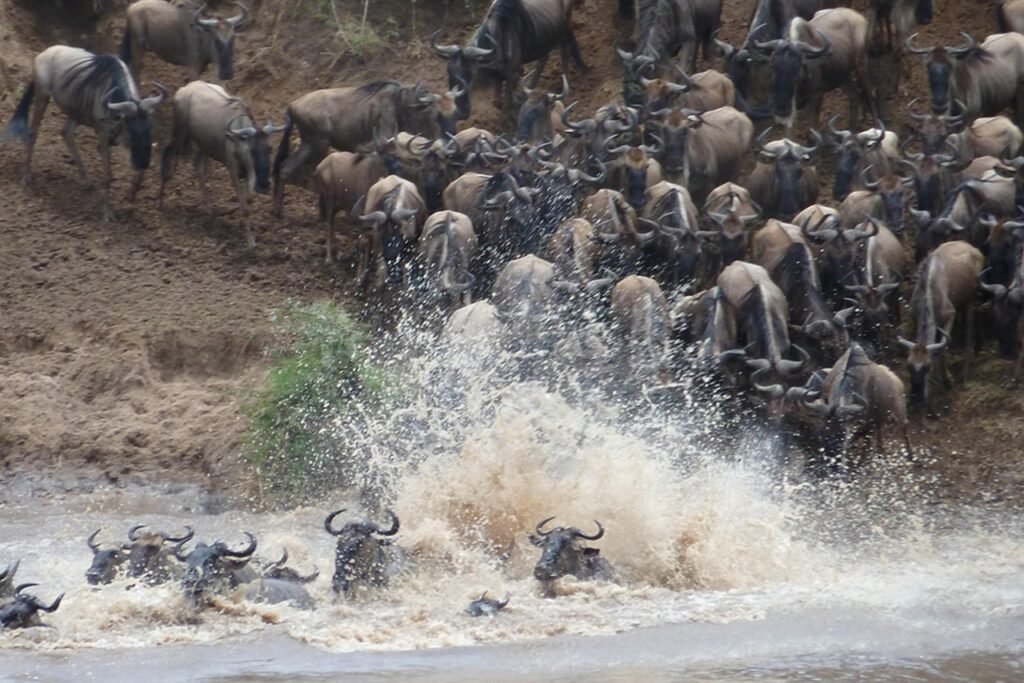
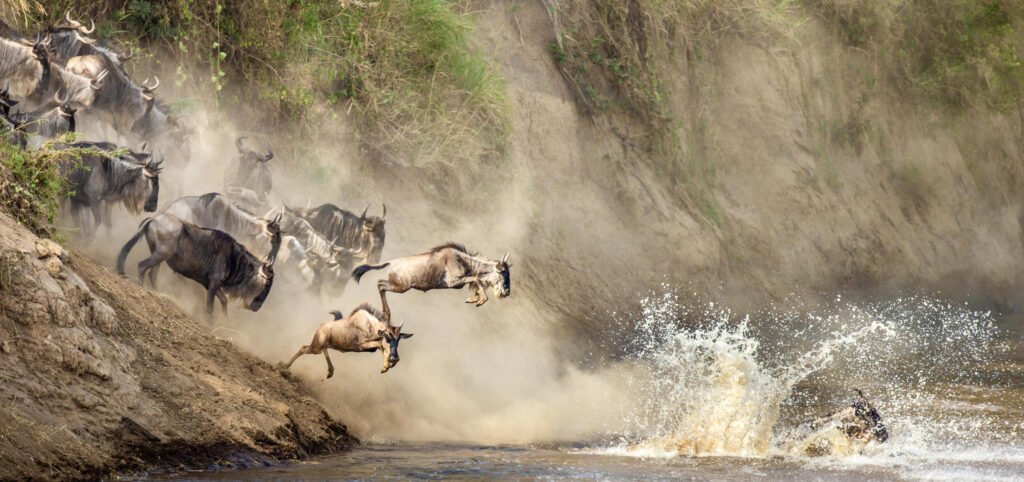
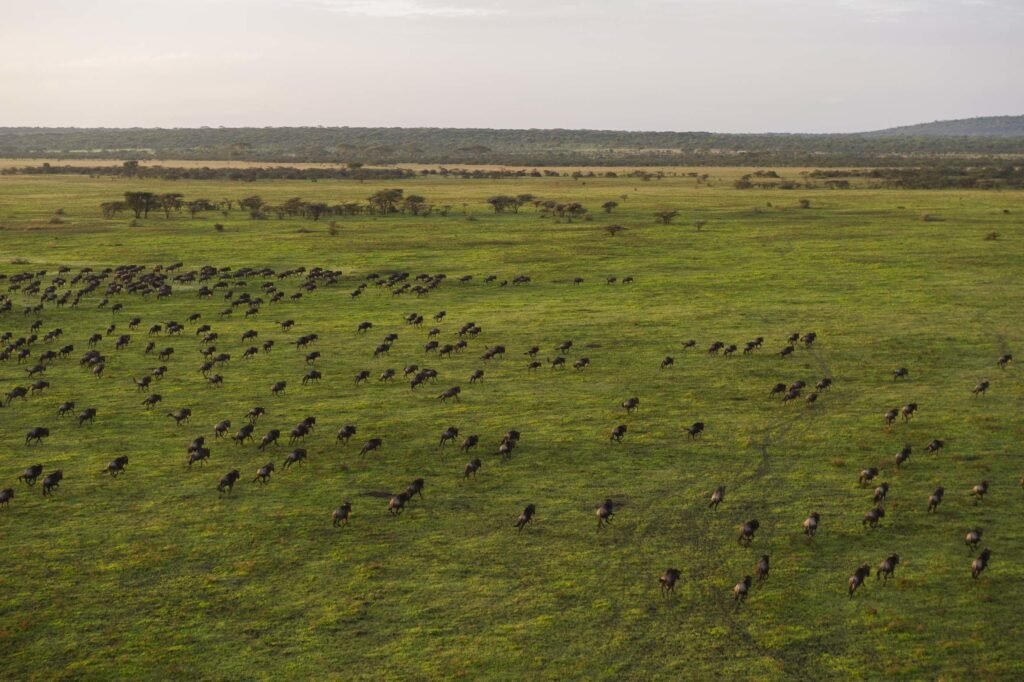
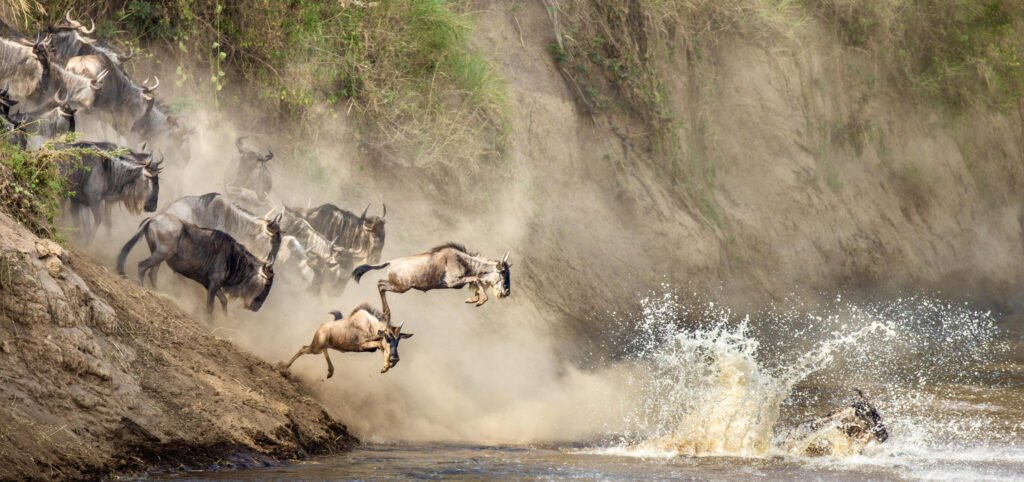
One of the highlights of a safari in Tanzania is the chance to see the Great Migration, where millions of wildebeest, along with zebras and gazelles, traverse the vast Serengeti in search of greener pastures. This extraordinary phenomenon creates an unparalleled spectacle of wildlife and is a major allure for many tourists. Beyond the Serengeti, locations such as Ngorongoro Crater, Lake Manyara, and Tarangire National Park offer diverse ecosystems that support abundant flora and fauna, making Tanzania a microcosm of wildlife diversity.

Furthermore, a safari in Tanzania is not just about observing wildlife; it also provides opportunities for cultural exchanges with local communities, such as the Maasai. Engaging with their traditional ways of life enhances the safari experience, allowing for a deeper understanding of the region’s history and culture. Such experiences contribute significantly to the growing popularity of Tanzania as a travel destination.

As more travelers seek this unforgettable adventure, understanding the various costs associated with Tanzania safaris becomes essential. In the following sections, we will delve into the budget, mid-range, and luxury options, elucidating how each segment influences the overall experience. This comprehensive overview will equip potential travelers with the necessary insights to plan a memorable journey through Tanzania’s breathtaking wilderness.

Overview of Safari Pricing Categories

Understanding the various pricing categories for safaris in Tanzania is crucial for travelers seeking an experience that aligns with their budget and expectations. The safari pricing can broadly be classified into three distinct tiers: budget, mid-range, and luxury. Each category offers unique experiences and varying levels of service, comfort, and amenities, catering to different traveler preferences.

Budget Safaris are designed for cost-conscious travelers who prioritize experiencing wildlife and nature without splurging on high-end accommodations. Typically, budget safaris include shared transportation, basic lodging in campgrounds or budget lodges, and group tours. The focus is on the safari experience itself rather than the level of luxury. Although budget safaris are less expensive, they still provide ample opportunity to witness the stunning wildlife and landscapes that Tanzania is renowned for.

Mid-Range Safaris offer a balance between comfort and cost. In this category, travelers can expect more comfortable accommodations, often in mid-range lodges or tented camps, along with private or semi-private transportation. These safaris usually include guided tours with expert guides who enhance the experience with their knowledge of flora and fauna. Mid-range options aim to provide a moderate level of luxury while still being accessible to a wider audience.

Luxury Safaris cater to those seeking the ultimate experience in comfort, exclusivity, and personalized service. Luxury safaris often involve stays in upscale lodges or luxury tented camps, gourmet meals, and private guides. Travelers can expect premium amenities and tailored itineraries that ensure a bespoke safari experience, highlighting the exquisite beauty of Tanzania’s natural landscape and wildlife.

Budget Safaris: What to Expect

Budget safaris in Tanzania provide an accessible way for travelers to experience the country’s stunning wildlife and landscapes without breaking the bank. Typically, the costs for a budget safari can range anywhere from $150 to $300 per day, depending on the season, the specific parks, and the duration of the safari. These prices generally include transportation, a knowledgeable guide, basic meals, and camping or budget lodging in national parks.

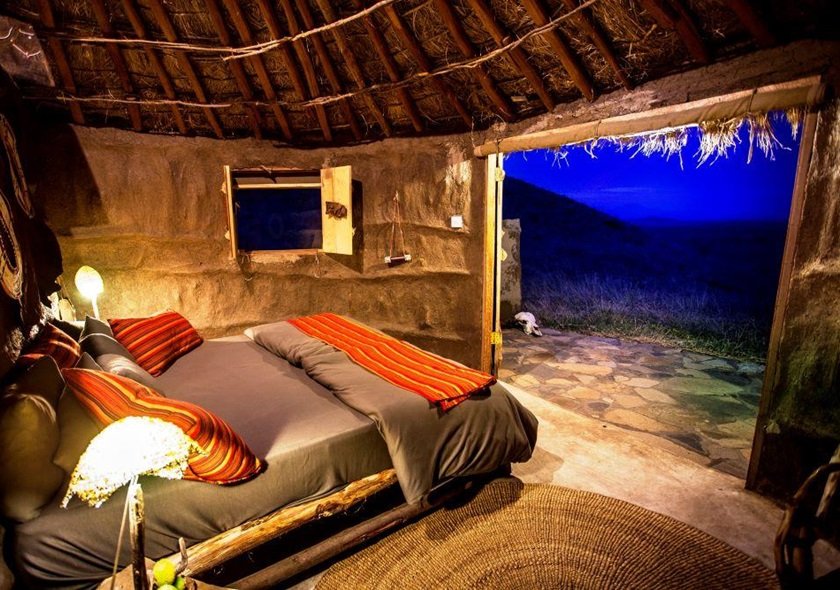
When selecting a budget safari, travelers can expect to stay in modest accommodations such as camping tents or camping lodges that offer shared bathrooms and essential amenities. Although these facilities may lack the luxury found in upscale lodges, they often provide a genuine experience of Tanzania’s rugged beauty and proximity to nature. Night-time sounds of wildlife create an adventurous atmosphere that appeals to many budget travelers.

Transportation during budget safaris usually involves open-sided 4×4 vehicles designed for game viewing. These vehicles are advantageous for spotting wildlife while being cost-effective. It’s important to note that while the vehicles may not offer the frills of luxury options, they are designed to enhance the safari experience by providing unobstructed views of the magnificent landscapes and animals.

To maximize the budget safari experience, travelers are encouraged to plan their safari during the low season, when prices decrease due to fewer tourists. Engaging with local guides and participating in group tours can also help keep costs down while ensuring a rich experience. Additionally, travelers may wish to prioritize certain parks or experiences, allowing them to focus on specific wildlife viewing while managing expenditures effectively.
Mid-Range Safaris: Balancing Cost and Experience

Mid-range safaris present an ideal option for travelers looking to enjoy the unique wildlife and breathtaking landscapes of Tanzania without overspending. These safaris typically strike a balance between affordability and comfort, offering a variety of amenities and services that enhance the overall experience. The accommodations available in this category range from well-appointed lodges to tented camps, each designed to provide both comfort and a close-to-nature experience.

The typical costs for mid-range safaris vary depending on several factors, including the time of year, duration of the safari, and specific package inclusions. Generally, travelers can expect to pay between $200 to $400 per day for mid-range safari experiences. This price usually includes accommodations, most meals, park entrance fees, and guided game drives. Some providers may also offer inclusive cultural experiences or additional activities, such as walking safaris or village tours, which can significantly enrich the overall adventure.

Travelers seeking mid-range options often appreciate the intimate experiences facilitated by smaller group sizes. These guided tours allow for a more personalized service while still benefiting from the expertise of skilled guides who share vital knowledge about the ecosystem and its inhabitants. Additionally, activities may extend beyond traditional game viewing, encompassing opportunities for hot air balloon rides at dawn, bird watching, and participation in conservation efforts.

Overall, mid-range safaris cater to those looking to immerse themselves in Tanzania’s natural beauty without compromising too much on comfort or experience. This approach not only enhances the enjoyment of the journey but also ensures that visitors engage meaningfully with the stunning landscapes and rich wildlife that Tanzania has to offer.
Luxury Safaris: Premium Experiences

Luxury safaris in Tanzania offer an unparalleled travel experience, distinguished by their premium accommodations, personalized services, and exclusive access to some of the most remarkable wildlife encounters on the continent. These safaris typically present a much higher price point compared to budget or mid-range options, reflecting the quality of the accommodations and the level of service provided.

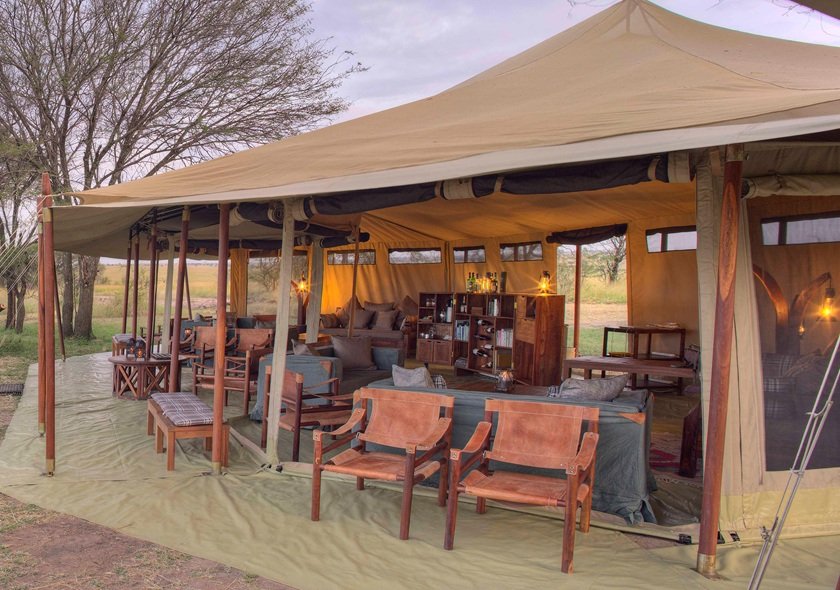
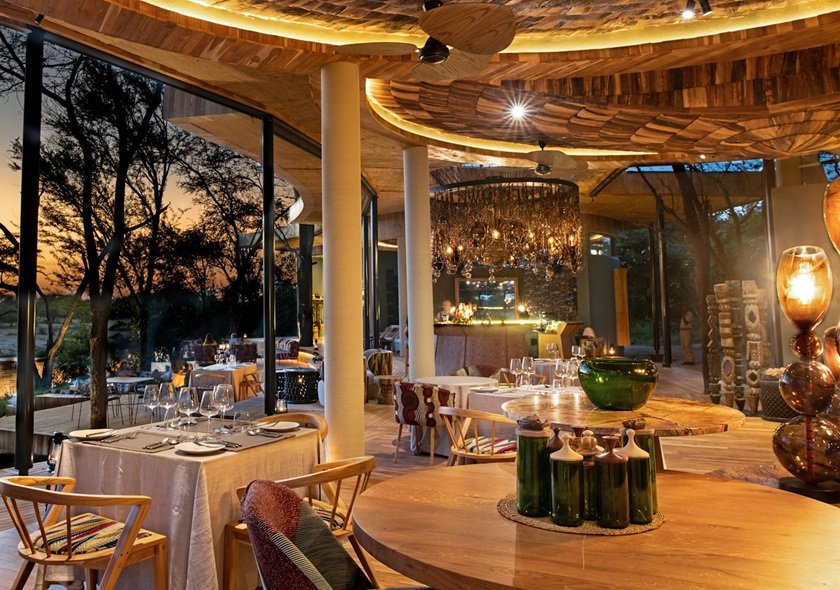
Luxury lodges and tented camps located in prime wildlife areas often feature spacious suites with stunning views, private plunge pools, gourmet dining, and dedicated staff to cater to all guests’ needs. These facilities prioritize comfort and aesthetics, ensuring that visitors enjoy a lavish experience while being immersed in nature. For instance, private air-conditioned safari vehicles are commonly provided, allowing for relaxed and flexible game drives, and experienced guides enhance the adventure with their extensive knowledge of the local fauna and flora.

The cost of luxury safaris may vary significantly based on factors such as the time of year, specific lodge or camp pricing, and the length of stay. Generally, travelers can expect to spend anywhere from $500 to over $1,500 per person per night, inclusive of accommodations, meals, and guided activities. Some high-end options may also offer unique experiences, such as hot air balloon rides over the Serengeti and private bush dining under the stars, adding further value to the overall journey.

Besides deluxe amenities, luxury safari packages often include exclusive add-ons that enhance the travel experience, such as spa treatments, guided nature walks, and community interactions that promote cultural exchange. Overall, luxury safaris are tailored for those seeking to combine adventure with comfort and indulgence, promising unforgettable memories in one of the world’s most spectacular natural settings.
Factors Influencing Safari Costs

The cost of a safari in Tanzania can vary significantly based on several key factors. Understanding these elements is crucial for travelers aiming to budget effectively for their trip. One of the most influential factors is the travel season. Generally, higher prices can be expected during peak seasons, which typically coincide with the Great Migration. During this time, accommodation and tour prices can increase dramatically due to the high demand for wildlife sightings and favorable weather conditions.

Another important aspect is the park entrance fees, which vary by the different national parks and reserves within Tanzania. Each park has its own fee structure, influencing the overall cost of the safari. Popular regions, such as the Serengeti and Ngorongoro Crater, tend to have higher fees compared to less visited areas. Hence, tourists need to consider which parks they wish to visit as part of their safari itinerary.

Accommodation types also play a significant role in safari costs. Options range from budget tented camps to luxurious lodges, each offering different levels of comfort and amenities. Budget travelers might choose basic camps, while those seeking a more comfortable experience may opt for upscale lodges, which can significantly drive up the cost per night. Additionally, meal plans offered by these accommodations may also vary, with some packages including all meals, while others necessitate additional expenses for food.

Lastly, guided experiences can affect pricing as well. Engaging a professional guide not only enriches the safari experience with their insights but also comes with additional costs. Therefore, travelers must evaluate their preferences for guided versus self-driven experiences when planning their budget, ensuring that all factors are considered for a comprehensive estimate of the total safari cost.

Tips for Budgeting Your Safari Trip

Budgeting for a safari trip in Tanzania is essential to ensure a memorable experience without overspending. One of the most effective strategies is to book your safari well in advance. This not only provides access to a wider range of options but often comes with early bird discounts that can significantly reduce costs. Furthermore, many tour operators offer enticing packages during the off-peak season, which can further enhance your savings.

Choosing the right safari package is crucial for effective budgeting. There are various types of safaris ranging from budget, mid-range, to luxury, each tailored to different needs and expectations. Assess your priorities: Do you prefer a more comfortable lodging experience or are you willing to camp to enjoy closer proximity to wildlife? By carefully evaluating your options, you can align your safari experience with your financial plan.

Another useful tip involves keeping an eye out for deals and promotions available online. Many tour companies periodically offer discounts or special packages, especially during certain times of the year. Subscribing to newsletters or following these companies on social media can ensure you’re among the first to know about any savings opportunities.

Additionally, it’s wise to create a detailed budget that encompasses not only the safari package but also additional expenses like park entrance fees, transportation to and from the park, and meals. Factor in daily expenses to avoid any surprises during your safari adventure. Having a comprehensive overview of costs will allow you to make informed decisions and perhaps even cut unnecessary expenses.

Eventually, with meticulous planning, finding the right package and taking advantage of available deals, budgeting for your Tanzanian safari can become an achievable goal rather than a daunting task. Following these guidelines can help ensure a rewarding experience while maintaining financial control.

Real-Life Examples of Safari Costs

To gain a comprehensive understanding of safari costs in Tanzania, it is beneficial to explore real-life examples that illustrate the budget, mid-range, and luxury options available to travelers.

For budget-conscious travelers, consider a basic camping safari, which may cost approximately $150 to $200 per person per day. This package typically includes shared tents, basic meals, and guided game drives in national parks such as Serengeti or Tarangire. While the accommodations might be modest, these safaris allow participants to immerse themselves in nature, with the added advantage of experiencing wildlife up close at a fraction of the luxury costs.

On the mid-range spectrum, a semi-luxury lodge experience can range from $250 to $600 per person per day. An example of this option includes staying at a safari lodge with comfortable amenities, en-suite facilities, and a few extra activities such as guided walks or cultural visits. For instance, a three-night safari package at a mid-range lodge near Ngorongoro Crater might cost around $1,800, including accommodations, meals, and guided tours. Travelers in this category can expect a balance of comfort and adventure with opportunities to view the incredible wildlife Tanzania offers.

Finally, for those seeking a luxury safari experience, costs can soar to $800 or more per person per day. High-end lodges or exclusive tented camps provide exquisite accommodations, gourmet dining, and personalized service. A common example would be a stay at a luxury tented camp within the Serengeti, where the total cost for a five-night safari could reach $5,000 per person, covering premium lodging, private game drives, and additional experiences such as hot air balloon rides over the landscape.

These real-life examples of safari costs illustrate the diverse range of options available in Tanzania, enabling travelers to make informed decisions based on their budget and desired experience.

Conclusion: Choosing the Right Safari Experience for You

In navigating the intricate landscape of Tanzania safari costs, it becomes essential to align your expectations with your financial capacity. A successful safari experience is deeply rooted in understanding what each budget tier, be it budget, mid-range, or luxury, offers and how these options correspond to your travel priorities.

Budget travelers may opt for basic accommodations and a more economical itinerary, allowing for some remarkable wildlife encounters while remaining mindful of expenses. Mid-range safaris strike a balance between comfort and cost, providing enhanced amenities and opportunities for a richer experience. On the other hand, luxury safaris cater to those seeking an unparalleled level of service, exclusive lodges, and personalized itineraries that promise an unforgettable journey.

Ultimately, the most suitable safari choice hinges on individual preferences and financial considerations. Reflecting on the experiences you wish to have, whether that is a focus on creature comforts, guided tours, or immersive adventure, will clarify your decision. Furthermore, evaluating factors such as the time of year, specific safari goals, and desired activity levels can significantly influence the overall cost and satisfaction derived from the trip.

In conclusion, the key to a fulfilling safari lies in careful planning and self-reflection. By aligning your safari type with your travel objectives and budget, you ensure a more meaningful and enjoyable experience. Whether you choose a budget-friendly option or a luxurious escape, a well-matched safari experience promises the thrill and beauty of Tanzania’s captivating wilderness.
The Ultimate Guide to the Best Time for Safari in Tanzania

Introduction

Tanzania is widely recognized as one of the world’s premier safari destinations, drawing visitors with its stunning range of wildlife and diverse ecosystems. The country is home to some of the most renowned national parks and reserves, such as the Serengeti and Ngorongoro Crater, which provide unparalleled opportunities for wildlife observation. Tanzania’s unique geographical features, including vast savannahs, lush wetlands, and towering mountains, contribute significantly to its status as a biodiversity hotspot.

Visitors to Tanzania are often treated to remarkable sightings of the “Big Five”: lions, elephants, leopards, buffaloes, and rhinos. These iconic species, along with hundreds of other animal and bird species, thrive in Tanzania’s various habitats, making it an ideal location for wildlife enthusiasts. The rich ecosystems do not only ensure a great diversity of species but also set the stage for spectacular natural phenomena, such as the Great Migration, where millions of wildebeest and zebras traverse the plains in search of greener pastures.

The goal of this blog post is to explore the best times to embark on a safari in Tanzania. Although wildlife viewing can be exceptional year-round, certain seasons offer distinct advantages based on animal behavior, migration patterns, and environmental conditions. Understanding the seasonal weather patterns is crucial, as they directly influence wildlife movements and the accessibility of different areas within the parks.

Throughout the article, we will delve into the nuances of Tanzania’s climate and wildlife dynamics, enabling prospective travelers to make well-informed decisions about when to plan their safari adventures. This insight is essential for maximizing wildlife viewing opportunities and ensuring a memorable experience while exploring the incredible landscapes of Tanzania.

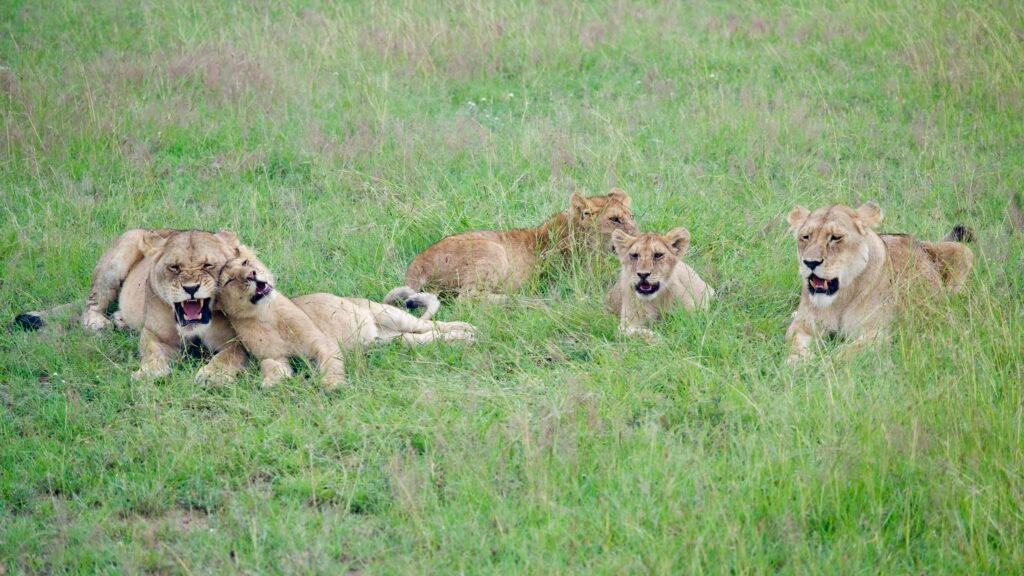
lion pride in Serengeti National Park Tanzania safari.
A lion pride relaxing in the Serengeti plains during a Tanzania safari.

Understanding Tanzania’s Wildlife Seasons

Tanzania is renowned for its extraordinary wildlife and diverse ecosystems, which are shaped by distinct seasonal patterns. Understanding these wildlife seasons is crucial for optimizing safari experiences, as various animal behaviors fluctuate throughout the year. Primarily, the wildlife seasons in Tanzania can be categorized into wet and dry seasons, which profoundly impact animal activity.

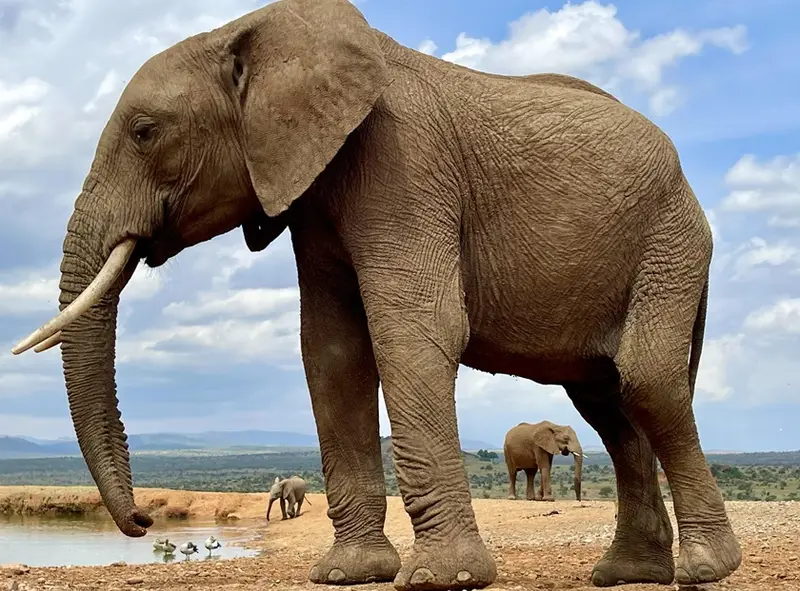
The dry season, typically from June to October, offers the best opportunities for wildlife viewing. As water sources diminish, animals congregate around remaining watering holes, making it easier for visitors to spot them. During this period, predators such as lions and leopards become increasingly active as they hunt more frequently in and around these areas. Additionally, this is an excellent time for observing elephants, as their migratory patterns lead them to more accessible locations.

Conversely, the wet season, occurring from November to May, marks a time of renewal in Tanzania’s landscapes as vegetation flourishes. This season is characterized by the Great Migration, where vast herds of wildebeest and zebras trek from the Serengeti to the Maasai Mara in search of greener pastures. During this period, which peaks from December to March, calving occurs, and newborn animals are vulnerable, providing thrilling opportunities to observe the dynamics of nature during this critical lifecycle stage. Furthermore, birdwatchers will find the wet season particularly rewarding due to the influx of migratory species.

In summary, aligning your travel plans with the wildlife seasons of Tanzania can significantly enhance your safari experience. By understanding the behaviors and movements of various animal species, travelers can select the timing of their adventures to maximize encounters with the diverse wildlife that Tanzania has to offer.

Weather Patterns and Their Impact on Safari Experience

Tanzania experiences a varied climate that significantly influences the safari experience. The country has two distinct seasons: the wet and dry periods. The dry season, typically referred to as the cooler months from June to October, is characterized by minimal rainfall, making it an ideal time for safari. Wildlife is easier to spot during this time, as animals congregate around water sources, enhancing the chances of seeing a diverse range of species. The vegetation is also less dense, allowing for better visibility.

Conversely, the wet season occurs from November to April, with heavy rains that drastically alter the landscape. Although this may deter some travelers, the wet season boasts its own advantages. The flora thrives, resulting in lush, green scenery that provides stunning backdrops for photography. Additionally, many animals give birth during this time, allowing for a unique observation of young wildlife. However, accessing certain park roads can become challenging due to the muddy conditions, and sightings might require more time and patience.

It is vital for travelers to consider the weather before planning their safari in Tanzania. Preparation can include packing appropriate clothing for both warm days and cool nights, as temperatures can drop significantly in the evenings. Furthermore, travelers should ensure they have suitable gear for wet conditions if visiting during the rainy months. Understanding the seasonal variations will help in optimizing the safari experience, as the behavior of wildlife and the accessibility of parks can change dramatically based on the weather conditions.

Overview of Tanzania’s Major National Parks

Tanzania is home to some of the most renowned national parks in the world, making it a prime destination for safari enthusiasts. The major parks include Serengeti National Park, Ngorongoro Crater, and Tarangire National Park, each offering unique landscapes and diverse wildlife. To plan a successful safari, it is crucial to understand the different animal populations and the best times to visit each park.

Serengeti National Park, famous for its spectacular annual wildebeest migration, hosts an abundance of wildlife year-round. During the dry season, from June to October, visitors can witness large herds of animals congregating around water sources, making it an ideal time for safari excursions. The park is also renowned for its Big Five – lions, elephants, leopards, buffaloes, and rhinoceros – providing ample opportunities for wildlife spotting.

The Ngorongoro Crater, a UNESCO World Heritage Site, is another major attraction in Tanzania. This conservation area is notable for its high density of wildlife due to the unique ecosystem within the crater. Visitors can expect to see a variety of animals, including lions, zebras, and elephants, with the best wildlife viewing from June to September. The cooler temperatures during these months make it a favorable time for safari adventures.

Lastly, Tarangire National Park is particularly famous for its colossal baobab trees and large elephant herds. The park experiences its peak wildlife activity during the dry season, from June to October, when animals migrate to the Tarangire River in search of water. This period offers outstanding viewing opportunities as animals gather around the riverbanks, providing a captivating safari experience.

The Great Migration: Timing Your Safari

The Great Migration, a renowned phenomenon in the animal kingdom, is a natural spectacle that attracts wildlife enthusiasts and tourists to Tanzania yearly. This dramatic event involves approximately 1.5 million wildebeests and hundreds of thousands of zebras embarking on a perilous journey across the Serengeti ecosystem. Understanding the timing of this migration is essential for safari planning, as it allows visitors to witness one of nature’s most breathtaking displays.

The migration primarily occurs in a cyclic pattern, dictated by the availability of grass and water, with each stage of the journey showcasing different awe-inspiring moments. It begins in the southern Serengeti around December, where the wildebeests congregate to give birth, leading to what is known as the calving season. This period, lasting until March, offers a unique opportunity to observe newborn calves in the lush grasslands, attracting predators such as lions and hyenas.

As the season progresses into April and May, the herds start a northward trek. During this time, the landscapes transform as the rains nourish the terrain, providing abundant grazing opportunities. By June, the wildebeests make their way to the western corridor, a region that is critical for their passage due to the necessity of crossing the Grumeti River. Witnessing this crossing, typically around late June to early July, can be an unforgettable moment in a safari experience. Following this, the herds continue toward the northern Serengeti, where they settle in August and September.

By October, as the herds begin to journey back south, visitors can anticipate witnessing the seasonal changes that accompany the migration. For those planning a safari in Tanzania, aligning travel dates with the Great Migration can maximize wildlife encounters and add an unparalleled excitement to the experience. Therefore, carefully timing your safari is vital to witness this incredible migration and the dramatic interplay between predator and prey on the plains of Tanzania.

Travel Seasons: High vs Low Season

Tanzania presents a unique landscape for safari enthusiasts, with distinct travel seasons that influence the overall experience. The country’s tourism can primarily be divided into two main categories: high season and low season, each associated with its own set of advantages and disadvantages.

The high season typically runs from June to October, coinciding with the dry months. This period is characterized by the greatest number of visitors, drawn by the superb animal visibility during game drives. As waterholes diminish and vegetation thins out, wildlife congregates in more accessible areas, ensuring excellent opportunities for observation. However, this surge in tourism can create crowded conditions, with visitors often competing for viewing points. Accommodation prices also see a notable increase, making the high season a more expensive time to visit.

In contrast, the low season spans from March to May and November to mid-June. Visitors during this time may encounter fewer crowds and more affordable accommodation options, making it a cost-effective alternative for budget-conscious travelers. However, conditions can be more challenging; the long rainy season, in particular, can impede access to certain areas, and wildlife may be more dispersed due to abundant resources. Nonetheless, this period, especially late November and late March, can offer rewarding experiences as migratory species seek refuge, adding a layer of diversity to wildlife viewing.

Notably, mid-season months (January and February) are ideal for witnessing the calving season for wildebeests, providing remarkable opportunities for those willing to adjust their travel plans. Ultimately, understanding the differences between high and low seasons will empower travelers to make informed decisions based on their preferences regarding wildlife visibility, budget, and crowd tolerance.

Choosing the Right Safari Type

Tanzania offers an array of safari types that cater to different preferences, making it essential for potential travelers to evaluate their options based on timing, wildlife activity, and personal interests. The primary types of safaris available include guided tours, self-drive safaris, and walking safaris, each presenting unique experiences and opportunities for wildlife viewing.

Guided tours, often led by experienced guides, provide a structured approach to exploring the stunning national parks of Tanzania. These tours typically align closely with optimal wildlife viewing periods. For instance, during the Great Migration from June to October, guided safaris can enhance opportunities to witness the breathtaking river crossings in the Serengeti, which are heavily influenced by the movement of wildlife and their breeding cycles. Guided tours ensure that travelers can access remote areas safely while maximizing sightings.

On the other hand, self-drive safaris offer a more independent experience, allowing visitors to create their own itineraries. However, the timing of travel is crucial for this option, as certain regions may become challenging to navigate during the rainy season. Generally, the dry season from June to October is recommended for self-drivers, as it provides easier road access and better visibility of wildlife congregating around limited water sources.

Walking safaris, another popular choice, provide an intimate way to experience the African wilderness. These safaris are generally conducted in areas where wildlife is less dense, allowing for a deeper connection to the natural environment. The best times for walking safaris typically align with the dry season when animals are more likely to frequent smaller waterholes. Timing is crucial in this context, as it enhances the likelihood of encountering wildlife on foot. Understanding the seasonality of wildlife activity aids in selecting the most suitable safari type for an unforgettable Tanzanian adventure.

Practical Tips for Planning Your Safari

Planning a safari in Tanzania requires careful consideration and organization to ensure a memorable experience. The timing of your safari is crucial; popular seasons tend to fill up quickly, so it is advisable to book your trip several months in advance. This advance planning allows you to secure accommodations and preferred tour guides, which can enhance your overall experience.

When deciding what to pack, it is important to focus on comfort and practicality. Lightweight, breathable clothing in neutral colors is recommended to adapt to the climate and blend in with the natural surroundings. Additionally, sturdy footwear is essential for game drives and walking safaris. Don’t forget to bring a wide-brimmed hat, sunglasses, and sunscreen to protect against the sun, along with insect repellent to ward off mosquitoes.

Travel insurance is another vital aspect of planning your safari. It provides peace of mind in unforeseen circumstances, such as flight cancellations, medical emergencies, or trip interruptions. Ensure that your policy covers activities you plan to participate in, including safari excursions. Furthermore, it is advisable to check the latest health advisories and vaccination requirements for Tanzania, as these can impact your travel plans.

Lastly, consider your interests when selecting a safari type. Whether you prefer a guided tour or a self-drive experience, various options are available to cater to different tastes and budgets. Always remain flexible in your plans, as unexpected situations may arise, providing an opportunity for new adventures. With proper planning and preparation, your safari to Tanzania can be an unforgettable experience.

Conclusion and Recommendations

Embarking on a safari in Tanzania is undoubtedly a thrilling and unforgettable experience, and knowing the best time to undertake this adventure can significantly enhance it. The optimal months tend to be during the dry season, which runs from June to October. This period not only offers clear skies and moderate temperatures but also allows for easier wildlife viewing as animals congregate around dwindling water sources. Additionally, the Great Migration, a spectacular natural phenomenon, usually peaks from July to September, providing safari-goers an unparalleled spectacle of wildlife.

For travelers interested in birdwatching, the wet season from November to April presents an entirely different allure. This is when migratory birds arrive in Tanzania, contributing to vivid landscapes. Although some areas may become less accessible due to muddy conditions, the lush environment and increased wildlife activity can yield a unique safari experience. Thus, aligning one’s travel schedule with specific wildlife experiences is paramount for a fulfilling adventure.

When planning your safari, consider the activities you’re keen on pursuing. If you prefer witnessing large predator interactions or the extraordinary sight of the wildebeest migration, prioritizing travel during the dry months might be advisable. On the other hand, if your interests lean toward birdwatching or a quiet retreat in nature, the wet season can offer the beauty and tranquility sought by many nature lovers.

In conclusion, aligning travel plans with the dynamic wildlife experiences in Tanzania is critical for ensuring a memorable safari. Whether you choose the bustling dry months or the serene wet season, both times present unique opportunities to explore the breathtaking contrasts of Tanzania’s wildlife and landscapes. Always consider your preferences and the specific wildlife you wish to encounter to make the most of your adventure.

The Best Time to Go on a Safari in Tanzania

The Best Time to Go on a Safari in Tanzania

Understanding Tanzania Safari Timing

Tanzania’s safari experience is deeply connected to the seasons across the country. Climate patterns guide the movement of animals, shape the landscapes, and influence the mood of your journey. A good understanding of seasonal changes gives every traveller the power to plan a meaningful and rewarding safari. During different months, the animals follow water, grass, and comfort. The country receives visitors year-round, so you are always welcome.

The goal is to match your preferred travel style with the natural rhythms of the land. A guest who enjoys vibrant green plains might prefer the wet months, while another who wants dusty sunsets and clear riverbanks will find the dry period more satisfying. The most beautiful factor is that Tanzania never sleeps. The wildlife is always in motion, and there is always a story to witness.

Explore more about Tanzania Safaris

While the Great Migration often steals the spotlight, other experiences also deserve attention. Each region tells its own story, from the sweeping plains of Serengeti to the misty walls of Ngorongoro Crater. The southern parks offer walking safaris full of intimacy, while the western reserves surprise guests with chimpanzee encounters. Timing decides which of these experiences you receive. Planning early helps, but even a last-minute decision can still give you something memorable. The secret is flexibility, open-mindedness, and a deep interest in nature. In Tanzania, every month gives you something new to admire. The smell of rain in the air, the thundering hooves of the migrating herds, the slow pace of an elephant family powdering itself in the dust. These precious memories are available in different forms throughout the year.

Wet Season Safari Highlights

Tanzania’s wet season begins with the short rains around November and continues into the long rains around March. These rains bring fresh life to the savanna, turning plains into bright green carpets. Herds move across the landscape freely and calmly, surrounded by tall grass and colorful birds. This is a peaceful time to explore national parks with fewer vehicles on the tracks. Rain falls mostly in the late afternoon or early evening, giving visitors enough time to enjoy clear morning game drives. The dramatic clouds stretching across the horizon create a stunning background for photographs, while newborn antelopes take their first steps under the careful eyes of their mothers. Travelers who enjoy watching young animals will find the wet season inspiring and emotional.

Another benefit of traveling during the wet season is the calm prices. Many lodges offer special rates, making it easier for families, couples, and solo travelers to enjoy a high-quality safari without breaking the bank. Bird lovers enjoy the arrival of migratory species, and keen photographers appreciate the vibrant light and reflections after rainfall. Although some tracks may become muddy and slippery, experienced guides know how to navigate safely while telling fascinating stories of survival and change. This season also offers a soothing soundscape, with raindrops tapping on leaves and frogs singing near rivers. Anyone looking for a quieter and more reflective safari experience will feel deeply connected to nature during the wet months in Tanzania.

Dry Season Safari Highlights

The dry season is Tanzania’s most popular time for safaris. From June to October, the sky shines clear and the air becomes crisp in the mornings. Wildlife is easy to spot as animals gather around rivers, lakes, and remaining waterholes. This creates excellent opportunities to observe large herds at close range in an open landscape. Elephants, zebras, buffalos, and even shy antelopes venture into visible areas as they follow traditional paths to water. Travelers often describe this period as exciting and dramatic because the lack of water increases predator activity. Lions wait near water points and watch patiently as zebras arrive. It is a real example of nature’s careful balance between life and survival.

Although visitor numbers increase during the dry season, the experience remains magical. Early bookings help secure good accommodation and avoid last-minute stress. The dry period is ideal for people who want clear visibility, comfortable conditions, and long open game drives. It is a perfect time for first-time travelers and families with children. No rain means less mud, fewer mosquitoes, and easy driving. Walking safaris and night drives are available in the southern parks, offering a stylish mix of adventure and discovery. Whether watching wildebeest cross the Grumeti River or following lion tracks on dusty soil, the dry season delivers unforgettable emotion and beauty in Tanzania’s extraordinary national parks.

January Safari in Tanzania

January is a refreshing month in Tanzania, marking the transition from short rains to a brighter season. The grass remains green and rich, making the landscape attractive. This is the beginning of the calving season in the southern Serengeti and Ndutu region. Thousands of baby wildebeest are born every day, drawing predators such as lions, cheetahs, and hyenas. It is a thrilling moment filled with fierce action and tender family scenes. Travelers who visit in January enjoy dramatic skies, cool mornings, and a sense of renewal across the parks. Rhinos are often seen in the Ngorongoro Crater, where high altitude creates a comfortable and pleasant climate.

Despite the vibrant activity, January is still considered part of the low tourism season, allowing guests to explore peacefully without too many vehicles. Birdwatchers enjoy spotting resident and migratory species, especially around Lake Manyara and Tarangire National Park. The green landscape also helps to create soft and beautiful light for photographers. Accommodation prices remain reasonable and guides are enthusiastic about showing guests the best wildlife spots. For people who want to begin the year with a meaningful and inclusive journey, a January safari in Tanzania offers emotional connections, quiet morning drives, and powerful wildlife drama. It is a perfect time to experience nature’s gentle and fierce moments side by side.

February Safari in Tanzania

February is one of the warmest months in Tanzania, yet it remains comfortable for safari travel. The calving season continues, and the southern Serengeti becomes a living nursery. Young wildebeest take their first steps while their mothers stay alert to lurking predators. Exciting chase scenes and playful interactions happen every day. The rain, when it arrives, falls mostly at night and brings relief to the warm days. Travelers wake up to fresh air and soft sunshine. The combination of green plains and clear morning light creates excellent conditions for photography. It is deeply emotional to observe how young animals adapt quickly to their world.

During February, the parks are not crowded, so game drives feel peaceful and private. Families and couples can enjoy the luxury of staying at prime locations without the rush of peak season. The southern circuit, including Ruaha and Nyerere National Parks, also provides great walking safaris and birdwatching. Weather in high-altitude areas such as the Ngorongoro Crater remains cool and pleasant. While some areas may receive light showers, the roads are still accessible and experienced guides keep safari adventures safe and enjoyable. February offers a great opportunity for visitors who want intimacy, excitement, and warm African hospitality during their safari experience.

March Safari in Tanzania

March marks the beginning of the long rain season. Heavy downpours can appear suddenly and transform the plains into bright green fields. Some lodges in the southern circuit temporarily close during this time, but the northern parks remain active and accessible. Visitors who travel in March enjoy the serenity of less-crowded landscapes. Dust is replaced by fresh soil, and flowers bloom around the edges of woodland areas. Birds become more active, singing and flying between branches. Lake Manyara becomes a prime destination for viewing water birds, storks, and colorful bee-eaters. These beautiful scenes touch the heart of any nature-loving traveler.

The rain does not fall all day, and long sunny breaks provide time for rewarding morning and afternoon drives. Guides use 4×4 vehicles that handle mud and water confidently. With fewer people on the tracks, safari experiences become highly personalized. You may sit quietly watching giraffes feeding on acacia trees or find elephants bathing calmly in fresh rain puddles. The long rainy season teaches guests patience and appreciation of small and quiet moments. A March safari rewards visitors not with high drama but with peaceful interactions, soft light, and an intimate connection to the regenerating ecosystem.

April Safari in Tanzania

April is one of the wettest months in Tanzania, and for many travelers it is also one of the most rewarding. Rain falls frequently and transforms the landscapes into lush green paradises. The air feels clean and fresh. Wildflowers bloom across the grasslands and rivers flow gently. Visitors who come in April will find very few other vehicles in the national parks. This offers a rare chance to experience nature almost entirely to yourself. The southern Serengeti still provides great game viewing. Although the thick foliage can make it difficult to spot hidden predators, the experience remains inspiring. Animals move freely, and it feels like you are passing quietly through their world.

Safari operators often offer reduced prices during April, making it easier for budget travelers and solo explorers to enjoy high-quality services. Local guides enjoy spending more time with guests, sharing stories of their culture and guiding them through rain-washed paths. Some days may include resting at camp during heavy rainfall, but even then guests enjoy watching the clouds from their tent and listening to the soothing sound of rain on canvas. April is for travelers who accept the rhythm of nature and appreciate the beauty of the Tanzanian wilderness in its most fertile period.

May Safari in Tanzania

May continues the long rainy season but offers slightly drier weather compared to April. The plains remain green and rich, with herds preparing for movement. In the Serengeti, wildebeest slowly start making their way north, creating lovely scenes of migration under soft skies. Few travelers visit in May, giving guests unmatched privacy and calm. Many national parks operate at reduced rates, allowing visitors to stay in high-end lodges at affordable prices. The lack of dust makes the air clear and sharp, giving long views across the plains and hills. Photographers appreciate the sparkling colors and dramatic clouds that form after a rain shower.

Although it is still low season, wildlife viewing remains good. Animals are relaxed and less sensitive to vehicles. Walking safaris in Ruaha and Nyerere are possible when the weather allows, giving a closer look at small plants, insects, and tracks left in fresh soil. Visiting Tanzania in May creates a deep emotional connection to the land. The pace is slower, the sounds are gentle, and even short drives feel rich with discovery. Guests who travel during this month often describe it as peaceful, personal, and creatively inspiring. It is a wonderful month for nature lovers and travelers seeking calm and meaningful wildlife experiences.

June Safari in Tanzania

June marks the start of the dry season and brings an exciting shift across Tanzania’s national parks. Grasslands begin to thin out, revealing open landscapes where wildlife is easier to spot. The air is crisp and cool in the mornings, and skies stay clear throughout the day. In the western Serengeti, wildebeest gather in large numbers near the Grumeti River, preparing for the challenging river crossing. Travelers often spend long hours watching this powerful moment unfold. Leopards and lions use the thinning vegetation to their advantage, increasing the chances of impressive sightings. June offers excellent visibility and comfortable weather, making it a fantastic time for first-time safari travelers.

With the start of high season, accommodation begins to fill up quickly. However, guest numbers remain manageable in early June. Night drives and walking safaris become more accessible in the southern circuit, where dry terrain allows for safe exploring. Chimpanzee trekking also becomes possible again in the western regions, particularly in Mahale Mountains National Park. Guides lead visitors on early morning walks through forested trails while sharing knowledge of primate behavior. June is a thrilling and inspiring time to be in Tanzania, offering long sunny days, dramatic wildlife encounters, and a deep connection to ancient migration pathways.

July Safari in Tanzania

July is one of the most exciting months in Tanzania’s safari calendar. Wildlife viewing reaches a peak as animals continue gathering around permanent water sources. In the Serengeti, massive herds of wildebeest and zebras move northward, often pausing at the Mara River. Guests sit with binoculars, waiting to witness the legendary river crossings. The drama of predators stalking their prey makes each moment charged with anticipation. The weather is fantastic, with cool mornings and warm afternoons. Visibility is excellent and the crisp air enhances the beauty of every scene. The parks, especially in the northern circuit, attract many travellers, so early planning is essential.

Even though July is popular, there are still ways to find quieter experiences. Heading to the southern and western parks offers intimate wildlife encounters away from the busiest routes. At Mahale Mountains and Gombe Stream, chimpanzee trekking becomes a major highlight. The clear weather and dry forest floors allow safe access for guided treks. Travelers enjoy watching chimps feed, groom, and forage in their natural habitat. July is perfect for families and friends who want to witness dramatic natural events while also enjoying comfortable temperatures and excellent guiding services.

August Safari in Tanzania

August continues the dry season and provides some of the best wildlife viewing opportunities of the year. Water levels drop even further, attracting animals to the few remaining rivers and waterholes. This concentration of wildlife creates extraordinary scenes, including big cat sightings and large herds of elephants moving across dusty plains. Predator activity is intense, and morning drives often feature exciting scenes of lions or cheetahs chasing their prey. The clear blue skies and long daylight hours allow for immersive game drives and quiet observation. Medium and large groups of travellers visit during this month, so booking accommodation and flights in advance remains important.

In the southern circuit, parks like Ruaha and Nyerere offer walking safaris, boating excursions, and night drives. These activities provide a refreshing variety to the traditional vehicle-based safari, allowing guests to experience the wilderness through multiple senses. The dry vegetation in these parks makes wildlife easier to spot at close range. Night drives reveal owls, bushbabies, and nocturnal predators moving silently in the dark. For travellers who desire a mix of intense wildlife activity and rich variety in safari style, August is one of the most inclusive and rewarding months to visit Tanzania.

September Safari in Tanzania

September often brings a perfect balance between active wildlife viewing and comfortable weather conditions. The dry season still dominates most regions, keeping vegetation low and water sources limited. This makes it easy to observe herds at riverbanks, including the possibility of late-season river crossings in the northern Serengeti. Animal behavior remains intense, with predators staying close to migration routes. Travelers enjoy clear views of dramatic scenes without the interference of dust or rain. At the same time, park visitation begins to ease slightly, especially toward mid-September. Prices may soften in some lodges, creating excellent opportunities for value-based safaris.

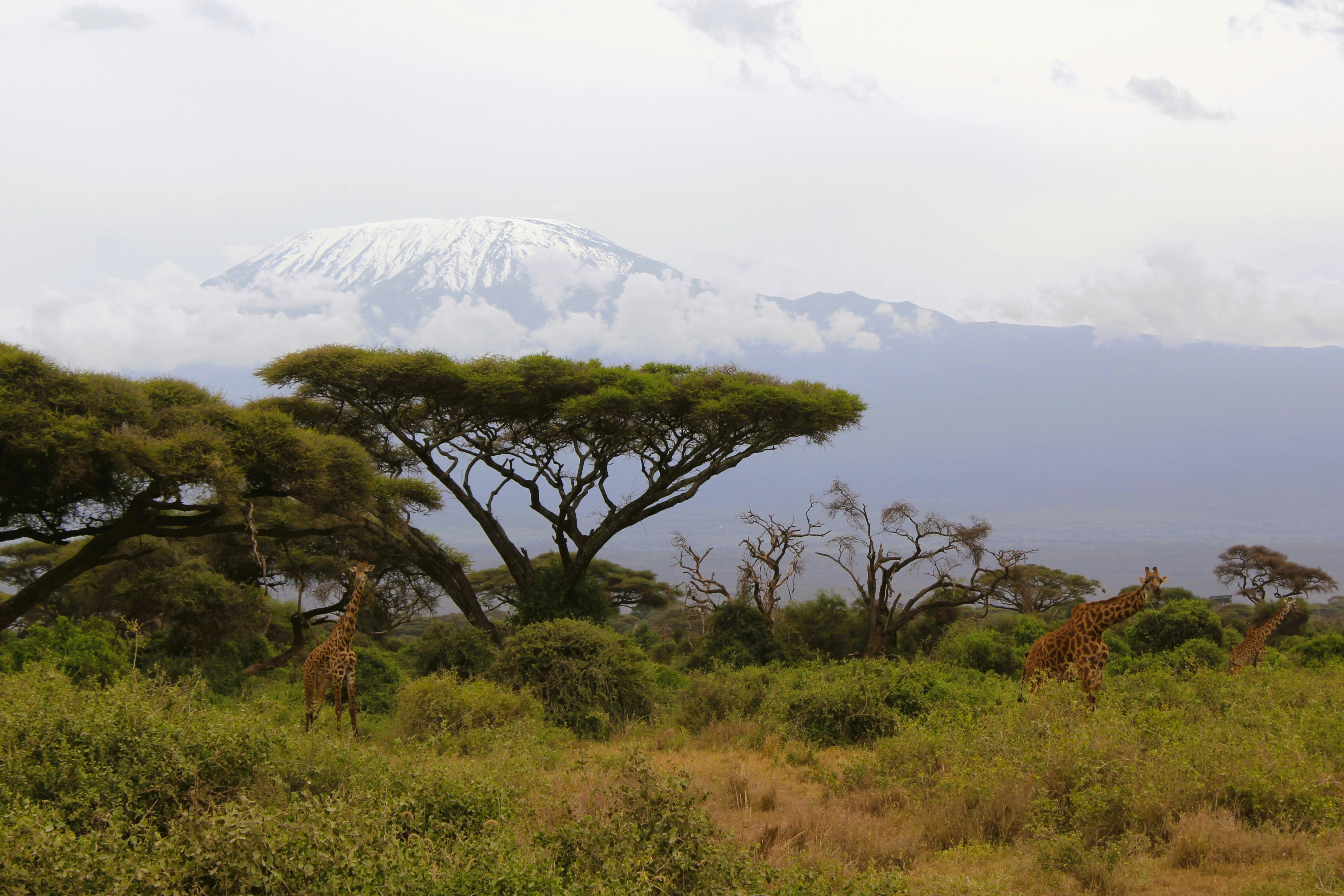
September is also a fantastic month for mountain climbing and trekking. Kilimanjaro and Mount Meru offer stable weather, excellent visibility, and high success rates for reaching the summit. Many visitors combine a safari with a multi-day trek, adding variety and physical challenge to their trip. Birdlife remains active around wetlands, especially in Arusha National Park, where walking safaris reveal colorful hornbills and graceful giraffes. September is suitable for both first-time and returning travelers, providing strong wildlife encounters, pleasant weather, and a calming rhythm in national parks across the country.

October Safari in Tanzania

October is the final full month of the dry season and often one of the most beautiful. Dar weather conditions remain dry, but early signs of the approaching rains begin to form in the sky. Small clouds gather on the horizon, creating dramatic sunsets and colorful skies. Wildlife is still concentrated around rivers and waterholes, offering excellent opportunities for sightings. In the western and southern regions, Katavi National Park becomes a highlight. Hippos, crocodiles, and large herds gather along the Katuma River in astonishing numbers. The reduced foliage also increases the chances of spotting leopards resting on tree branches.

Although it is still considered a high season month, the number of visitors is slightly lower than in August and September. This allows a more relaxed pace in game drives without sacrificing wildlife quality. Arusha National Park also shines in October, welcoming travelers who enjoy shorter drives and walking activities. Mount Meru treks become popular as the clear skies provide beautiful views of the surrounding plains. October is perfect for travelers who want the best of the dry season with fewer crowds, dramatic scenery, and impressive wildlife concentrations before the arrival of the short rains.

November and December Safari Opportunities

November starts the short rainy season and marks a transitional change in Tanzania’s safari experience. Light showers refresh the dry earth and bring patches of green grass across the parks. Predator activity remains high as new-born herbivores begin to appear, creating a lively and dramatic scene. The rain is usually brief, often falling in the late afternoon or at night, meaning game drives remain largely uninterrupted. Northern parks such as Arusha, Tarangire, and Serengeti continue to offer excellent wildlife viewing. With fewer vehicles on the plains, guests enjoy private and quiet encounters with wildlife. This is a remarkable time for travellers who love peaceful safaris and fresh natural scenery.

December continues the short rains but also ushers in a joyful and festive atmosphere. Migratory birds arrive from Europe and Asia, filling the skies with color. Many families and travellers choose this month to celebrate holidays in the wilderness, so it is best to book early. Lodges and guides prepare special festive safari experiences and warm hospitality. Wildlife remains active, with animals scattered across green grasslands and predators making the most of abundant prey. Whether you visit in November or December, you will witness Tanzanian wilderness in a renewed and vibrant form. This makes the end of the year a wonderful and emotional time to plan your safari adventure.

Tanzania Travel Safety Update 2025

Tanzania Travel Safety Update 2025: Is It Safe to Visit After the Election?

Many travelers planning safaris or beach holidays in Tanzania this season are asking the same question: Is Tanzania safe to visit after the 2025 general election?

The answer is clear: Tanzania remains safe, stable, and fully open for tourism. At Tanzania Beauty Safaris, we have been closely following the national situation to give our guests accurate and reliable updates. Here’s what travelers need to know about the current safety conditions and what to expect when visiting Tanzania now.

Understanding the 2025 Tanzanian Election

Tanzania held its general election on October 29, 2025, when President Samia Suluhu Hassan and her long-ruling Chama Cha Mapinduzi (CCM) party were declared the winners by a wide margin. As in many democratic elections, there were moments of tension following the announcement of the results. Some urban centers, including Dar es Salaam and Dodoma, experienced brief demonstrations that were quickly contained by authorities through short curfews and increased security patrols.

During those few days, Tanzania also saw temporary internet slowdowns and slight changes to domestic flight schedules. However, these minor disruptions were limited to city areas and did not affect the country’s key tourist zones such as the Serengeti, Ngorongoro Crater, Tarangire, or Zanzibar.

Current Situation: Safari Destinations Remain Peaceful

As of November 2025, Tanzania has returned fully to normal life. Flights and ferry services are operating smoothly, lodges and safari camps are welcoming guests, and all major attractions remain open. The regions of Arusha, Lake Manyara, Serengeti, and Ngorongoro Crater have stayed completely peaceful throughout the election period.

Even Zanzibar, which experienced a few short travel delays in early November, is once again calm and fully functional. In the southern parks, including Ruaha and Nyerere (formerly Selous), tourism was never affected at all. Travelers in these areas continue to enjoy serene landscapes, rich wildlife, and Tanzania’s signature hospitality.

Official Government Travel Advisory

To reassure visitors and stakeholders, the Ministry of Natural Resources and Tourism released an official statement confirming that peace and stability have been fully restored across the country. The advisory, issued on November 4, 2025, states:

“The Ministry of Natural Resources and Tourism wishes to inform the public, visitors, and tourism stakeholders that peace and stability have been fully restored throughout the United Republic of Tanzania. All social, economic, and tourism activities are proceeding normally following the swift containment of recent post-election incidents.
As a committed Member of the United Nations Tourism Organization (UN Tourism), Tanzania upholds international standards ensuring the safety and well-being of all travelers. All entry and exit points, by air, land, sea, and rail, remain fully operational, and tourism services across the country continue without disruption. Travelers are therefore encouraged to proceed with their plans to visit and explore Tanzania’s exceptional attractions with confidence.”

Issued by:
Nteghenjwa Hosseah
Head of Government Communication Unit
Ministry of Natural Resources and Tourism, Dodoma

This official statement confirms that all tourism operations across the country are normal and travelers can continue with their plans confidently.

Traveling to Tanzania After the 2025 Election

Visitors traveling in late 2025 or early 2026 can do so with confidence. Domestic flights and connections are running normally, though allowing a little flexibility in travel schedules is always sensible. Having offline copies of your itinerary and lodge contacts is a good precaution, especially if you’re traveling in remote areas.

In major cities such as Dar es Salaam and Dodoma, it’s advisable to avoid political gatherings or demonstrations. This is not because of any direct threat to tourists, but simply as part of responsible travel awareness. Across the rest of the country, including safari regions and islands, the environment remains calm, friendly, and safe.

Why Tanzania Remains a Safe Safari Destination

Tanzania’s enduring peace is rooted in its people and culture. The country has maintained stability for decades, even during times of political transition. Safari destinations and coastal regions are geographically distant from political activity, making them consistently secure for visitors.

At Tanzania Beauty Safaris, we make safety our top priority. Our local teams in Arusha, Serengeti, and Zanzibar stay in close contact with authorities, transport companies, and partner lodges. We confirm all travel arrangements daily and maintain a 24-hour guest support line. This constant communication allows us to adjust quickly if necessary, ensuring that your travel experience remains seamless and stress-free.

All our safaris, including our popular five-day Arusha–Serengeti–Ngorongoro adventure, are operating on schedule. Guests continue to report smooth travel experiences, unforgettable wildlife sightings, and exceptional service throughout their journeys.

The Outlook for Travel in Tanzania

Although the 2025 election attracted international attention, it does not change Tanzania’s long-term reputation as one of East Africa’s most peaceful and welcoming countries. The government remains firmly committed to maintaining stability and supporting tourism as a cornerstone of the national economy.

As visitor numbers rise again, the safari experience continues unchanged. The Great Migration still thunders across the Serengeti, the Ngorongoro Crater remains a natural wonder, and Zanzibar’s beaches sparkle under the Indian Ocean sun. Tanzania’s beauty and tranquility remain timeless.

Travel with Confidence with Tanzania Beauty Safaris

Political transitions may cause brief uncertainty, but Tanzania’s foundation of peace and hospitality remains strong. At Tanzania Beauty Safaris, we’re dedicated to providing every traveler with clarity, safety, and confidence. Whether you’re planning a classic safari, a romantic escape, or a family adventure, you can explore Tanzania knowing that our expert team is supporting you every step of the way.

For the latest safety updates or to plan your next safari, contact Tanzania Beauty Safaris anytime. We’re available 24/7 to ensure your experience of Tanzania is safe, smooth, and truly unforgettable.

Email:- info@tanzaniabeautysafaris.com

How Long Does It Take to Climb Mount Kilimanjaro?

How Long Does It Take to Climb Mount Kilimanjaro?

Introduction

How long does it take to climb Mount Kilimanjaro? It takes 6 to 9 days to climb Mount Kilimanjaro, depending on the route and acclimatization schedule. Shorter routes like Marangu may take 5–6 days, while longer options such as Lemosho or the Northern Circuit last 8–9 days and offer higher success rates.

Dreaming of an unforgettable adventure in Tanzania? Climbing Mount Kilimanjaro, the tallest mountain in Africa and one of the world’s seven summits, promises a thrilling and awe-inspiring experience. Reaching its summit, Uhuru Peak, at 5,895 meters (19,341 feet), is a monumental achievement that demands preparation, stamina, and determination.

Many travellers wonder, “How long does it take to climb Kilimanjaro?” For a person with average fitness, the ascent usually takes five to nine days, depending on the chosen route, acclimatization schedule, and hiking pace.

Slow and steady trekking is essential to ensure a safe and enjoyable experience. Shorter tours exist, but they are often not recommended for beginners. The mountain offers programs for all levels, from casual hikers to experienced adventurers. Highlighting the importance of preparation, climbers must train in advance, equip proper gear, and understand altitude impacts to maximize the chances of summiting safely.

Climbing Kilimanjaro is more than just reaching the top; it is about experiencing the diverse landscapes along the way. Hikers move through lush rainforest, open moorlands, alpine deserts, and glacial slopes, each presenting unique challenges.

Proper acclimatization is vital, and choosing the right route plays a major role in summit success. Longer routes like Lemosho or Northern Circuit allow the body to adjust gradually, increasing success rates while offering breathtaking panoramic views.

Weather conditions, group dynamics, and personal fitness levels influence the pace and duration of the climb. With professional guidance, climbers can plan a customized itinerary to match their fitness, preferred pace, and desired experiences. Highlighting these factors ensures adventurers approach the climb safely, enjoy the scenery, and create unforgettable memories on Africa’s highest peak.

Understanding the Time Commitment for Kilimanjaro

Climbing Mount Kilimanjaro requires careful consideration of the time commitment and influencing factors. Route selection significantly affects the duration, as shorter paths like Marangu and Rongai may take five to six days, while scenic routes such as Machame or Lemosho often require six to eight days for gradual ascent and proper acclimatization.

Altitude gains each day is critical; rapid ascent increases the risk of altitude sickness, while slow climbing allows the body to adjust naturally. Fitness level affects pace, but even experienced hikers must respect the mountain’s challenges. Highlighting acclimatization, spending at least five nights below 13,000 feet is recommended to reduce altitude-related issues. Weather conditions, group dynamics, and emergency contingencies also impact schedules, making flexible planning essential for a successful climb.

Daily demands are physically and mentally intense, requiring endurance, stamina, and determination. Each stage presents unique challenges, from rainforest trails to glacial landscapes, requiring climbers to pace themselves carefully.

Experienced guides can make a significant difference, monitoring health, advising on proper acclimatization, and ensuring safety throughout the journey. Post-summit recovery time is crucial, as fatigue and altitude effects can persist before descending safely.

Longer itineraries enhance safety and allow climbers to fully enjoy Kilimanjaro’s diverse ecosystems. Highlighting this, climbers are advised to prioritize longer routes for better acclimatization, higher success rates, and a more immersive adventure. The climb is as much about preparation and planning as it is about reaching the summit, making careful timing essential.

So You’ve Decided to Climb Kilimanjaro

Taking on the challenge of climbing Africa’s highest mountain requires preparation and commitment. Proper training, including aerobic exercises and hill-walking, is crucial to prepare the body for the physical demands.

Fitness, stamina, and endurance all play a role in successfully summiting Kilimanjaro. Even without professional climbing skills, participants must gradually condition their bodies to handle long days of hiking at varying altitudes.

Highlighting preparation, months of training may be needed for beginners to reach a level where the climb is enjoyable and safe. Equipping appropriate gear, including layered clothing, boots, trekking poles, and sleeping equipment, is essential to handle varying temperatures and weather conditions along the trail.

Climbers must also mentally prepare for the trek. Challenges such as altitude, fatigue, unpredictable weather, and steep sections require determination, focus, and perseverance. Success depends not only on physical strength but also on a positive mindset and a steady pace during the ascent. Routes like Machame, Lemosho, and Northern Circuit are recommended for better acclimatization, gradually increasing the body’s tolerance to high altitudes.

Highlighting route selection, longer itineraries increase summit success while providing opportunities to enjoy breathtaking landscapes, from alpine deserts to glacial peaks. With proper preparation, determination, and guidance, climbers can safely achieve the unforgettable milestone of reaching Uhuru Peak.

Climb Kilimanjaro Seasons

Choosing the best time to climb Kilimanjaro is critical for safety, enjoyment, and success. The mountain’s weather is influenced by seasonal rains and temperature fluctuations. Highlighting ideal climbing periods, the dry seasons from January to March and June to October provide the most favorable conditions, offering clear skies, sunshine, and better trail accessibility. Climbing during these months reduces the risks of slippery paths and extreme weather, making the trek more comfortable and safer.

The mountain experiences occasional rain even during dry seasons, but these periods are generally more predictable and manageable. Planning your climb within these months ensures not only safety but also the opportunity to witness stunning sunrises and panoramic views over the Tanzanian plains.

During the wet seasons, trails become muddy, rivers swell, and visibility may be reduced, making the climb more challenging. Trekkers should be prepared for changing weather conditions regardless of season. Acclimatization remains essential in all periods, as temperature variations are significant at higher altitudes.

Highlighting preparation for climate, layering clothing, staying hydrated, and pacing the ascent can mitigate environmental stress. The chosen season also impacts wildlife sightings and scenic photography, as clear skies enhance visibility of the surrounding landscapes. Selecting the right climbing season allows hikers to combine safety, comfort, and the most rewarding visual experience while ascending Kilimanjaro.

Routes Up Mount Kilimanjaro

Mount Kilimanjaro has seven main trekking routes, each offering a distinct experience, scenery, and level of difficulty. The Marangu route, also called the “Coca-Cola route,” is the most beginner-friendly and provides dormitory-style huts instead of camping. Hikers often favour this route due to its established facilities and less strenuous terrain.

However, experienced climbers seeking adventure and panoramic views may prefer longer routes like Lemosho, Machame, or Northern Circuit, which offer more gradual ascents, higher success rates, and stunning scenery. The Rongai route, starting from the north near the Kenyan border, provides remote and less crowded paths for those seeking solitude and wilderness experiences.

Other routes, such as Shira and Umbwe, vary in difficulty and terrain. The Shira route is scenic but starts at a high altitude, requiring quick acclimatization, whereas Umbwe is the steepest and most challenging, with a direct ascent that limits gradual acclimatization.

Highlighting route selection, the Northern Circuit is considered the most balanced, offering nine days of trekking and high success rates due to extended acclimatization opportunities. Choosing a route depends on fitness, experience, schedule, and preferred scenery. Longer, gradual routes provide safer acclimatization and greater chances of reaching Uhuru Peak, making them ideal for first-time climbers seeking a rewarding and memorable Kilimanjaro experience.

What is Acclimatization?

Acclimatization is the process by which the body adapts to lower oxygen levels at high altitude. On Kilimanjaro, proper acclimatization is crucial to prevent altitude sickness and increase the likelihood of summit success. Climbers gradually ascend and rest at intermediate elevations, allowing their bodies to adjust to thinning air. The ideal strategy involves spending at least five nights below 13,000 feet before proceeding higher.

Highlighting this, longer itineraries naturally include these rest periods, improving safety and performance. Physical symptoms of poor acclimatization include headaches, fatigue, nausea, and shortness of breath, making proper pacing and planning essential for health and enjoyment during the climb.

Acclimatization is not only about rest but also about monitoring daily progress, hydration, and nutrition. Guides play a vital role in ensuring climbers do not ascend too quickly and that they recognize warning signs of altitude-related complications. Highlighting the benefits, gradual acclimatization increases endurance, improves comfort, and allows climbers to experience Kilimanjaro’s diverse landscapes without compromising safety.

The combination of careful pacing, proper preparation, and rest ensures that trekkers can reach Uhuru Peak while minimizing risks, making acclimatization one of the most important aspects of a successful Kilimanjaro climb.

Ascent and Descent

Climbing Mount Kilimanjaro usually takes between five to nine days, depending on the chosen route and pace. The descent is faster, often taking two days from the summit to the final camp, though some routes allow for quicker completion. Hikers experience dramatic changes in terrain, from rainforest to alpine desert, to glacial landscapes at higher altitudes.

Highlighting the ascent, slow pacing during the summit push is crucial for both physical performance and safe acclimatization. Descending requires attention as fatigued muscles and altered balance can make the final stage challenging. Professional guides assist in managing pace, safety, and overall timing throughout the climb.

The summit day, usually starting late at night, is the most demanding segment, involving steep climbs in cold temperatures. Climbers must maintain energy, focus, and rhythm to reach Uhuru Peak at sunrise, creating a truly unforgettable experience. Highlighting the importance of recovery, proper nutrition, hydration, and rest during both ascent and descent are critical.

The final descent, while physically easier than the climb up, can be demanding on joints and muscles, emphasizing the need for careful pacing and technique. Completing the round trip successfully requires endurance, mental resilience, and strategic planning to safely return to base camp.

FAQs

Climbing Kilimanjaro raises several common questions. How long it takes depends on route selection, with shorter paths like Marangu taking 5-6 days, and longer routes like Lemosho or Machame taking 7-9 days. Even highly fit climbers should avoid rushing, as altitude acclimatization is crucial to prevent sickness.

The best climbing seasons are January to March and June to October, offering dry trails, clear skies, and favourable conditions for summit success. Professional climbing skills are not required, but pre-climb aerobic preparation and hill-walking are essential for endurance. Highlighting altitude effects, gradual ascent schedules help climbers adapt to lower oxygen levels, reducing fatigue and health risks.

Factors such as weather, group dynamics, and unexpected challenges influence the overall time commitment. Longer itineraries are safer and more enjoyable, allowing full appreciation of the mountain’s scenic diversity. Choosing experienced guides improves acclimatization management, route navigation, and safety.

Highlighting route selection, climbers benefit from panoramic views, better success rates, and fewer crowds on longer paths. The combination of careful planning, physical preparation, and guided expertise ensures that adventurers reach Uhuru Peak safely and create lasting memories. Regardless of the chosen route, Kilimanjaro remains a life-changing adventure for those ready to embrace its challenges.

Conclusion

Climbing Mount Kilimanjaro is a once-in-a-lifetime adventure, blending physical endurance, mental resilience, and breathtaking natural beauty. The duration of the climb depends on the route, acclimatization, fitness level, and weather, typically ranging from five to nine days. Highlighting preparation and pacing, longer itineraries are recommended for safer trekking and better summit success.

Professional guidance, proper gear, and pre-climb fitness training significantly enhance the experience. Each route offers unique landscapes, from lush rainforests to glacial peaks, providing a comprehensive view of Africa’s tallest mountain.

Success on Kilimanjaro requires patience, preparation, and respect for the mountain’s challenges. Acclimatization, route choice, and timing are essential for minimizing risks and maximizing the adventure.

Climbers who take the time to prepare fully and pace themselves are rewarded with a triumphant summit at Uhuru Peak, unforgettable sunrise views, and memories that last a lifetime. Highlighting the transformative nature of this journey, the climb is not only about reaching the top but also embracing the diverse landscapes, personal challenges, and exhilaration that Kilimanjaro uniquely offers.

When Is the Best Time to See the Great Migration

When Is the Best Time to See the Great Migration

Introduction

Does experiencing Tanzania’s wildlife in all its glory thrill you? If yes, there’s no better time than the peak season of the Great Migration. Every year, over a million wildebeest make a daring round trip between Tanzania and Kenya, accompanied by thousands of zebras and gazelles. This breathtaking spectacle draws wildlife enthusiasts from around the world, eager to witness thrilling river crossings and heartwarming moments when hundreds of thousands of wildebeest calves take their first wobbly steps.

Do you want to see WIldebeest migration Book This 8-Day Serengeti Great Migration Safari

The Great Migration is more than a one-off event, it’s a year-round journey that unfolds differently each month. From calving in the southern Serengeti to the dramatic Mara River crossings in the north, the migration provides unique experiences for every visitor. In this guide, you’ll discover the best times and locations to witness the Great Migration, along with tips on how to experience it through guided safaris, self-drive adventures, balloon rides, and more.

Where to See the Great Migration

The Great Migration is a spectacle like no other. Millions of wildebeest, zebra, and gazelle move across the Serengeti in Tanzania and the Maasai Mara in Kenya from May to December, covering hundreds of kilometres in search of fresh pastures. Along the way, predators including lions, cheetahs, hyenas, and crocodiles add a thrilling sense of drama to the journey.

Although the migration generally follows a seasonal pattern, nature has its own timetable. Rainfall, food availability, and the animals’ instincts all influence their movements. Even outside peak periods, the Serengeti is teeming with wildlife, ensuring visitors enjoy incredible sightings year-round. Vast grasslands, dotted with acacia trees and kopjes, serve as constant backdrops to herds grazing, hunting, and migrating, giving safari-goers a continuously dynamic landscape to explore.

The Best Time to See the Great Migration: Month-by-Month Breakdown

December to March: Calving Season in the Southern Serengeti

The calving season is one of the most remarkable periods of the migration. From late December through March, wildebeests gather in the southern Serengeti around Ndutu and the Ngorongoro Conservation Area to give birth. About 8,000 calves are born daily, resulting in nearly half a million newborns in just a few months. Watching these tiny creatures take their first steps is an awe-inspiring experience that showcases the raw beauty and cycle of life in the wild.

During this period, predators are highly active, making this an ideal time for thrilling wildlife encounters. Lions, cheetahs, hyenas, and vultures focus on the newborns, offering visitors a chance to witness nature’s dramatic balance of life and survival. Lush, green pastures from seasonal rains provide abundant grazing for adult herbivores, creating picturesque scenery for photography and wildlife observation. Safari itineraries during calving season often include Ndutu and surrounding southern Serengeti plains for the best viewing opportunities.

April to May: Herds Move from Southern to Central Serengeti

By April, the herds begin their journey northwards toward central Serengeti. After calving, the wildebeests, accompanied by zebras and gazelles, move across the plains in search of fresh grazing areas. The journey is punctuated by river crossings and predator encounters, particularly along smaller rivers like Grumeti tributaries.

Travelers visiting during this transition period can witness intimate moments between mother wildebeests and calves, as well as interactions with other herbivores. The central Serengeti offers rolling plains and kopjes that provide elevated views of herds on the move. Safari packages during this period focus on game drives across migration routes and predator observation, providing a balance between calving highlights and the excitement of moving herds.

June: Grumeti River Crossing in the Western Serengeti

June marks the beginning of the western Serengeti River crossings along the Grumeti and Mbalageti Rivers. Although not as famous as the Mara River, these crossings are thrilling and dangerous, with crocodiles lurking in murky waters. Wildebeests test their courage as they navigate strong currents, while predators take advantage of vulnerable animals along the riverbanks.

The western Serengeti in June offers a less crowded safari experience, ideal for travellers seeking a more intimate and adventurous encounter with the migration. Fewer tourists mean unobstructed game viewing and greater opportunities for photography. The surrounding landscape, characterized by open plains and scattered woodlands, provides excellent vantage points for observing the crossing without interfering with wildlife movements.

July to August: Mara River Crossing in the Northern Serengeti

The highlight of the migration occurs in July and August when herds reach the Mara River in the northern Serengeti. Thousands of wildebeests gather at the water’s edge, hesitating before plunging into crocodile-infested currents. Panic, chaos, and determination unfold in front of visitors, creating one of the most iconic wildlife spectacles in the world.

This period coincides with the dry season, ensuring clear skies and ideal game-driving conditions. Luxury and mid-range safari lodges in northern Serengeti and southern Masai Mara offer prime access to river crossing points. Visitors can witness the drama unfold repeatedly, with herds crossing and recrossing in search of greener pastures. This experience captures the essence of the migration: danger, survival, and the beauty of life in the wild.

September to October: Masai Mara and Northern Serengeti

After the Mara River crossing, herds move into Kenya’s Masai Mara but continue to return to northern Serengeti for grazing. Visitors during September and October can see a mix of animals lingering in the northern plains and those starting their southward migration. The area is less crowded than during peak Mara River crossing season, allowing for more relaxed wildlife observation.

Predators remain active, and scavenger birds such as marabou storks and vultures circle overhead, adding another layer of excitement to game drives. Central Serengeti begins to call wandering herds back, completing the cycle of the migration. Safari itineraries at this time emphasize a combination of northern Serengeti and Masai Mara wildlife viewing for the most comprehensive experience.

November: Central to Southern Serengeti Migration

November sees the herds gradually returning southwards to replenish southern pastures. Rain begins to refresh the grasslands, attracting both large herds and solitary predators. Central Serengeti and Seronera Valley provide quieter, less crowded settings for wildlife observation, ideal for travellers seeking a more relaxed safari experience.

This period also brings bird migrations back to the Serengeti, making it an excellent time for birdwatching alongside traditional game drives. Lower tourist numbers translate to better accommodation rates and more personalized safari experiences. Visiting during November allows travellers to witness predator activity, river crossings in smaller tributaries, and the start of the calving season cycle in southern plains.

How to Experience the Great Migration

Guided Safari Tours

Joining a guided safari is one of the most effective ways to experience the migration. Professional guides track herds, identify predators, and offer expert insights into wildlife behaviour and conservation. Guided safaris include vehicles, park fees, accommodations, and game drives, allowing visitors to focus entirely on observation and photography without worrying about logistics.

This method is ideal for first-time visitors or anyone seeking a seamless experience. Guided safaris often range from luxury lodges to mid-range camps, making it accessible for different budgets. The combination of expertise, convenience, and insider knowledge ensures the best possible chance to witness river crossings, calving areas, and predator hotspots, creating memories that last a lifetime.

Self-Drive Adventures

For travellers who value freedom and flexibility, self-drive safaris provide an adventurous alternative. With a 4WD vehicle, visitors can navigate the Serengeti at their own pace, stopping whenever a herd or predator sighting presents itself. While self-drive offers independence, it requires preparation, navigation skills, and a strong understanding of park rules.

Self-drive safaris allow for spontaneous encounters and close-up views of wildlife in its natural environment. Visitors can combine these adventures with overnight stays in campsites or lodges across the Serengeti, Ngorongoro, or Tarangire. While more challenging than guided tours, self-drive safaris offer unmatched immersion and a sense of discovery, making it a rewarding way to witness the migration firsthand.

Hot Air Balloon Safaris

For an extraordinary perspective, hot air balloon safaris provide panoramic views of the migration. Floating above the plains at sunrise, travellers can witness massive herds, river crossings, and predator-prey interactions from a safe and tranquil vantage point. Balloon rides often include light breakfast and champagne, adding a luxurious touch to the adventure.

Balloon safaris are ideal for photographers and wildlife enthusiasts seeking a unique and immersive experience. Observing the scale of the migration from above allows a deeper appreciation of its magnitude, from the patterns of herd movement to the vastness of the Serengeti landscape. Combining balloon rides with traditional game drives creates a fully rounded safari experience.

Walking Safaris

Walking safaris offer an intimate connection with the Serengeti ecosystem. Accompanied by professional guides, travellers explore animal tracks, observe smaller wildlife, and gain insight into vegetation and ecological relationships. Walking safaris often take place in safer areas with lower predator density, making them ideal for a slower-paced, educational experience.

This approach enriches understanding of the landscape beyond large herd movements. Walking safaris allow visitors to focus on intricate details, such as insect behaviour, footprints, and plant life, complementing the dramatic sights from vehicles or balloons. It’s a perfect addition for travellers wanting a closer look at the Serengeti’s biodiversity and ecological complexity.

Combining Safari Experiences

The ultimate migration experience often combines multiple safari methods. Guided game drives provide expert-led insights, balloon safaris deliver panoramic perspectives, and walking safaris offer intimate exploration. By mixing approaches, travellers experience the migration from all angles ground, air, and close-up.

A combined itinerary ensures visitors capture both large-scale and subtle interactions within the ecosystem. It balances convenience, adventure, and education while minimizing fatigue and maximizing wildlife encounters. This holistic approach delivers an unforgettable journey through one of the world’s most iconic natural spectacles.

Frequently Asked Questions (FAQs)

When is the best time to see the Great Migration in Tanzania?

The peak period for witnessing the Mara River crossings is July to October, though the migration is observable year-round across the Serengeti. Timing depends on rainfall and food availability.

When is calving season?

Calving occurs from late January to March, mainly in southern Serengeti near Ndutu. Thousands of baby wildebeests are born daily, attracting predators and offering a unique wildlife spectacle.

What month is best for dramatic river crossings?

July and August are ideal for the Mara River crossings, while September and October show the herds’ southward return.

What is the Great Wildebeest Migration?

It is an annual journey of over 1.5 million wildebeest, accompanied by zebras and gazelles, moving across Tanzania’s Serengeti and Kenya’s Masai Mara ecosystems in search of fresh pasture.

Why do such large numbers of animals migrate?

The herds migrate to find nutrient-rich grazing and water. Seasonal rainfall drives the movement, ensuring survival and reproduction for wildebeest, zebra, and gazelle.

Are there risks associated with traveling during the migration?

Travel is generally safe with experienced guides. Risks include weather-related issues, road conditions, and proximity to wildlife. Following safari guidelines and carrying insurance ensures a safe visit.

How can travellers ensure the best migration experience?

Book guided tours with expert operators like Tanzania Beauty Safaris, We plan according to migration seasons, choose optimal accommodations, and follow guides’ advice. Combining balloon, vehicle, and walking safaris enhances the experience.

Which areas offer the best viewing?

Southern Serengeti for calving (Jan–Mar), western Serengeti for Grumeti crossings (June), northern Serengeti and Mara River (July–Aug), Masai Mara and northern plains (Sept–Oct), central and southern Serengeti for quieter encounters (Nov).

How does the migration impact the ecosystem?

The herds distribute nutrients across the plains, support predator populations, and maintain the Serengeti-Masai Mara ecosystem’s balance. It illustrates the interconnection of wildlife and habitat.

Conclusion

The Great Wildebeest Migration is a year-round phenomenon, offering unique experiences in every season. From calving season in southern Serengeti to river crossings in northern Serengeti, the spectacle captivates visitors with dramatic scenes of life, survival, and interconnected ecosystems. Planning your visit around seasonal patterns maximizes wildlife sightings and enhances the safari experience.

Witnessing the migration is more than a wildlife adventure, it’s an immersion into the rhythms of nature, the circle of life, and the vastness of African landscapes. Whether through guided tours, self-drive adventures, or hot air balloon safaris, travelers can experience this extraordinary event up close. With careful planning and timing, the Great Migration becomes a journey that leaves lasting memories and deep appreciation for the Serengeti’s wild heart.

Best Things to Do in Arusha

10 Best Things to Do in Arusha, Tanzania

Arusha is more than just the gateway to Tanzania’s Northern Safari Circuit, it’s a vibrant, cultural, and ecological gem that deserves your full attention. Nestled at the base of Mount Meru, this lively city offers the perfect blend of adventure, relaxation, and cultural immersion. Whether you’re spending a few days before your Serengeti safari or simply passing through, you’ll find that Arusha has a variety of attractions that make it a destination worth exploring in its own right.

In this guide, we’ve handpicked the top 10 things to do in Arusha, ideal for first-time visitors, nature lovers, and cultural explorers alike. These activities can easily be incorporated into your Tanzania safari holiday to create a truly immersive experience.

1. Explore Arusha National Park

Located just 30 kilometres from the city centre, Arusha National Park is one of Tanzania’s most accessible and underrated parks. Though small compared to Serengeti or Tarangire, it offers a surprisingly diverse range of habitats, including lush montane forests, alpine meadows, volcanic craters, and tranquil lakes.

Visitors can enjoy traditional game drives, canoeing on Momella Lakes, and guided walking safaris with armed rangers, something that’s rare in most national parks. The park is home to giraffes, zebras, buffaloes, warthogs, and a rich variety of birdlife, including flamingos. If you’re lucky, you may spot the elusive leopard or colobus monkey swinging through the trees. Mount Meru, the second-highest mountain in Tanzania, provides a dramatic backdrop for photos and treks.

2. Visit the Maasai Market in Arusha City

For a true taste of local life and culture, head to the Maasai Market, where artisans and traders showcase their traditional wares. This colourful open-air market is the best place to buy authentic souvenirs like beaded jewelry, wood carvings, paintings, leather bags, sandals, and the iconic red-and-blue Maasai shuka.

Bargaining is part of the fun, and interacting with the vendors gives you a deeper understanding of the local community. Beyond shopping, the market is a cultural experience, it’s where tradition meets creativity, and every item tells a story.

3. Discover the Cultural Heritage Centre

The Cultural Heritage Centre is one of Arusha’s most visited landmarks, and for good reason. It’s not just a museum or gallery; it’s a multi-purpose complex that brings Tanzania’s rich tribal history and artistic expression under one roof.

You’ll find everything from ancient artifacts and Tanzanite gemstones to contemporary African sculptures and paintings. The architecture itself is stunning, and the expansive galleries make it easy to get lost in the stories of over 120 ethnic groups that make up Tanzania. You can shop for high-end souvenirs or simply soak in the history and artistry.

4. Take a Coffee Tour on a Local Plantation

Tanzania produces some of the finest Arabica coffee in East Africa, and Arusha’s fertile volcanic slopes are a key growing region. Just a short drive from the city, you can join a guided coffee tour at a local farm where you’ll learn how coffee is planted, harvested, dried, roasted, and ground, all using traditional techniques.

Many tours also include a farm-to-cup tasting session, giving you the chance to Savor rich, organic Tanzanian coffee in its freshest form. It’s an educational, delicious, and highly photogenic experience, perfect for slow travellers and coffee lovers.

5. Visit Lake Duluti for a Nature Escape

If you’re looking for peace and natural beauty, Lake Duluti is a perfect half-day or full-day escape from Arusha. This serene crater lake is surrounded by thick forest and is ideal for kayaking, birdwatching, and hiking.

The lake is home to kingfishers, cormorants, fish eagles, and monitor lizards. You can take a guided canoe trip on the calm waters, enjoy a picnic by the shore, or take a walking tour around the lake’s edge while learning about local flora and geology.

6. Experience a Walking Safari with a Maasai Guide

Unlike a traditional game drive, a walking safari gives you the chance to experience wildlife and nature up close, from tracking animal footprints to learning about native plants used in traditional medicine.

Several conservancies and areas near Arusha National Park and the Maasai Steppe offer these safaris, often guided by local Maasai warriors. You’ll walk through open savannah, past termite mounds and acacia trees, hearing firsthand stories about Maasai traditions and their coexistence with wildlife. It’s one of the most authentic and humbling experiences you can have in Tanzania.

7. Climb Mount Meru

Towering at 4,566 meters, Mount Meru is often overshadowed by Kilimanjaro, but it’s a spectacular trekking destination on its own. The climb takes 3 to 4 days and is a physically challenging but rewarding experience for trekkers. You’ll pass through dense forest, alpine meadows, and rocky ridges, all the while spotting wildlife like giraffes, monkeys, and antelope.

The views from the summit are breathtaking, with Kilimanjaro looming in the distance and a sea of clouds beneath your feet. Because Meru is less crowded, it’s a quieter, more intimate mountain adventure and also serves as a great acclimatization climb before attempting Kilimanjaro.

8. Visit the Arusha Declaration Museum

This lesser-known gem offers a fascinating look into Tanzania’s post-independence history. The Arusha Declaration Museum chronicles the political and social journey of the country, particularly the role of the 1967 Arusha Declaration in shaping Tanzania’s socialist policies under President Julius Nyerere.

Through documents, photos, and exhibitions, visitors learn about the ideals of Ujamaa (familyhood), nation-building, and how Tanzania sought to remain independent from foreign influence. It’s an enlightening experience for history buffs and anyone wanting to understand the soul of the nation.

9. Tour the Shanga Foundation

Located within the grounds of Arusha Coffee Lodge, the Shanga Foundation is a socially-conscious enterprise that employs people with disabilities to create beautiful handmade crafts. The project promotes inclusivity and creativity, and your visit helps support their mission.

Guests can watch artisans at work, blowing glass, weaving fabrics, beading jewelry, and even try their hand at making something themselves. The on-site boutique is full of unique souvenirs that support a great cause. Shanga isn’t just a stop; it’s a heartfelt experience.

10. Taste Traditional Tanzanian Cuisine

Your time in Arusha wouldn’t be complete without trying the local food. From street vendors to mid-range restaurants and upscale lounges, the city offers a variety of dining experiences. Taste nyama choma (grilled meat), ugali (a maize meal staple), mishkaki (skewered meat), ndizi nyama (banana and meat stew), and chapati (flatbread).

Some recommended restaurants include Khan’s BBQ, George’s Tavern, Blue Heron, and Themi Living Garden, which offers vegetarian and vegan options. Dining in Arusha is more than a meal—it’s a window into Tanzanian hospitality and flavour.

Plan Your Arusha Adventure with Tanzania Beauty Safaris

Whether you’re in Arusha for a short stay or using it as a base to explore Tanzania’s famous national parks, this dynamic city offers plenty to see and do. From mountain treks and wildlife adventures to immersive cultural encounters, Arusha is the perfect blend of nature and tradition.

At Tanzania Beauty Safaris, we specialize in crafting personalized itineraries that combine the best of Arusha with unforgettable safari experiences across Tanzania. Our knowledgeable local guides and curated activities ensure that your journey is smooth, enriching, and tailored to your interests.

Ready to explore Arusha?

Contact us today to build your custom itinerary and turn your Tanzania safari into the adventure of a lifetime.

Serengeti Migration Safari Guide

The Ultimate Serengeti Migration Safari Guide

Embark on an unforgettable journey through one of the most spectacular wildlife events on the planet, the Great Migration of the Serengeti. With Tanzania Beauty Safaris as your expert guide, you’ll witness nature’s most dramatic theatre as over two million animals traverse the vast plains in search of life-giving rains and fresh pasture. This annual movement, driven by survival and ancient instinct, is an awe-inspiring dance between predator and prey, water and dust, birth and death.

Book this Tour:- 5 Day Great Migration Safari – Serengeti & Ngorongoro Crater

The Great Migration isn’t just about movement, it’s a living, breathing cycle that unfolds with remarkable precision and rhythm across the seasons. From the lush southern plains where thousands of wildebeests give birth each day, to the perilous river crossings in the north, every chapter of this journey offers its own breathtaking encounters.

Whether you’re an avid wildlife photographer, a first-time safari-goer, or someone who’s dreamed of standing amidst the thunder of hooves on the Serengeti, this guide will walk you through what to expect, where to go, and when to witness the different stages of the migration. Prepare to discover a world where nature rules, drama unfolds daily, and every sunrise holds the promise of something extraordinary.

November to Mid-March: The Calving Season in Southern Serengeti and Ndutu

As November arrives, the first signs of the migration stir in the eastern Serengeti. The herds begin their movement southward from Kenya’s Masai Mara, drawn by the short rains that bring life back to the savannah. By late November, the wildebeests, along with vast numbers of zebras and gazelles, begin to populate the southern Serengeti and the fertile plains of Ndutu, a region famed not only for its wildlife density but also for its scenic beauty.

This is a time of renewal. The landscape, once golden and dry, turns lush green almost overnight. Storm clouds gather in the distance, casting dramatic light across the plains. Wildebeests march in long, graceful lines, calves still unborn but growing inside their mothers. The air hums with anticipation.

By mid-December and especially throughout January and February, the miracle of life takes centre stage. Nearly 500,000 wildebeests are born during this short window, and it’s not uncommon to witness several births during a single game drive. The open plains, free of thick brush, offer protection for the newborns, giving them space to learn to walk, run, and survive within minutes of birth.

Yet, with new life comes danger. Predators such as lions, leopards, hyenas, and cheetahs follow closely. This creates a thrilling and raw spectacle of survival. Cheetahs often use termite mounds for elevated vantage points, stalking newborn calves as they stray from the herd. Hyenas test the perimeter, waiting for opportunity. The circle of life is vivid, real, and emotional.

February is the peak of the calving season, offering exceptional opportunities for photographers and wildlife lovers. Beyond the wildebeests, travellers may also spot baby zebras, gazelles, warthogs, and even the occasional young giraffe. The abundance of prey leads to dramatic predator interactions, making this a top choice for those seeking dramatic moments without the crowds of peak season.

The weather, though humid, is largely cooperative. Short rains occur mostly at night, keeping the daytime ideal for exploration. This is also Tanzania’s “Green Season,” offering verdant backdrops, colourful birdlife, and reduced tourist numbers. The photographic conditions are superb, stormy skies, golden light, and green grasslands make for powerful compositions.

For a complete calving safari experience, we recommend at least 3–5 nights in the Ndutu region. Lodges and tented camps in this area are well-situated for day-long explorations, often placing you in the heart of the action at sunrise.

Mid-March to April: Westward Transition and Rainy Serenity

As the end of March approaches, the drama of calving gradually gives way to movement once more. The calves, now a few weeks old, are stronger, faster, and better prepared for the arduous journey ahead. The herds begin to stretch out again, spreading across the southern and southwestern Serengeti, with the densest concentrations shifting toward the Moru Kopjes and the Kusini area.

This time of year, marks the beginning of the long rains. While this may deter some travellers, those who do visit are treated to one of the Serengeti’s most peaceful and evocative seasons. The scenery is almost dreamlike, rolling green hills, wildflowers in bloom, and distant thunder echoing across the savannah.

Though the migration is less condensed during this period, there’s a quiet beauty in the scattered herds. Young calves play and run, zebras travel in synchronized motion, and elephants wander among the acacias. Predator sightings remain frequent, especially near the woodlands where cover allows for stealth.

Photography becomes a game of patience and reward. Rainstorms may roll through briefly, but they give way to glowing skies and rainbow-lit horizons. With fewer safari vehicles in the parks, you may have intimate wildlife encounters without interruption.

April may not offer the blockbuster events of river crossings or mass birthing, but it provides a more introspective safari, perfect for travellers who seek solitude, space, and authenticity. Staying in the southern and western reaches of the park during this time allows for easy tracking of the herds as they transition northward.

May to June: The Grummet River Crossings in the Western Corridor

By early May, the herds have gathered momentum. Now hundreds of thousands strong, they flow into the western Serengeti, moving towards the Grumet River. This is where the drama rises once more. Though not as famous as the Mara, the Grumet crossings are wild, intense, and deeply captivating.

The river, flanked by dense forests and dotted with fig trees, snakes through the western corridor of the park. It’s not particularly wide, but it teems with Nile crocodiles, some stretching up to 20 feet in length. As the wildebeest’s approach, the stakes become clear.

Crossing the Grumeti is a test of instinct. The animals hesitate, pacing along the banks, sometimes turning back, sometimes jumping in masse. Some make it. Others do not. For those lucky enough to witness a crossing here, the experience is unforgettable, raw, chaotic, and emotional.

View our Tanzania Safari Page

June is the peak month for these events. The herds are compact, the calves are stronger, and the predators more focused. Lions and leopards trail the migration through the forest fringes. Meanwhile, birdlife flourishes in the area, kingfishers, herons, and fish eagles add an avian dimension to the spectacle.

The weather during May and June is transitional. While May can still bring lingering showers, June generally marks the return of drier days and cooler temperatures, making it a comfortable and productive time for safari. Lodges in the western Serengeti are well-positioned to access both game-rich plains and the riverbanks, offering an ideal base for 2–4 nights of exploration.

July to October: The Mara River Crossings and the Northern Drama

This is the moment that safari dreams are made of. From July through October, the Great Migration reaches its climax in the northern Serengeti and the bordering Masai Mara. The Mara River stands as the final and most dangerous barrier in the wildebeests’ journey, a churning gauntlet of fast-flowing water, steep banks, and waiting crocodiles.

The scale of the crossings here is epic. Tens of thousands of animals can gather at the river’s edge, their calls filling the air as dust rises and tension builds. They stall. surge. They hesitate again. Then suddenly, one jumps. And then another. And the chaos begins.

Some are swept away. Others break legs. Many make it to the other side. The sense of survival is tangible, and witnessing a Mara River crossing in person is an emotional and exhilarating experience that stays with you for life.

The most reliable period to catch a crossing is from mid-July to late September. During this window, the herds are mostly in the Kogatende and Lamai regions of the Serengeti, crossing back and forth between Tanzania and Kenya as they follow the rains. However, October can also provide opportunities as the migration begins to head south again.

Beyond the river crossings, the northern Serengeti is a wildlife haven in its own right. The landscape is varied, with rolling hills, acacia woodlands, and open savannahs. Lion prides patrol the valleys. Cheetahs stalk from termite mounds. And leopards rest in trees along the river.

The dry season during these months ensures clear skies, warm days, and cool nights, ideal conditions for safari. Visibility is excellent, and the lack of vegetation makes it easier to spot elusive predators. Due to the unpredictability of crossings, we recommend a stay of at least 3–4 nights in the northern Serengeti to maximize your chances.

While witnessing a crossing is never guaranteed, extended time in the area dramatically increases your odds. Some travellers are lucky enough to see multiple crossings in one day. Others wait patiently and are rewarded by the sheer anticipation and build-up. Either way, the experience is deeply moving.

Why Travel with Tanzania Beauty Safaris?

At Tanzania Beauty Safaris, we don’t just take you to the Serengeti, we immerse you in its stories. With local expertise, personalized service, and a deep passion for conservation, we craft migration safaris that align with your travel goals, budget, and sense of adventure.

Our expert guides know the terrain, the timing, and the behaviour of the wildlife. Whether you’re hoping to photograph a dramatic crossing, observe lions on the hunt, or simply watch a sunrise over the savannah with a cup of fresh Tanzanian coffee in hand, we’re here to make it happen.

Choose from our handpicked collection of safari itineraries, ranging from 5-day calving safaris in Ndutu to 9-day northern Serengeti migration adventures. Whether you prefer luxury tented camps, intimate lodges, or mobile camps that follow the herds, we’ll help you find the perfect setting for your journey.

Conclusion: Witness Nature’s Greatest Journey

The Great Migration is more than a safari, it’s a front-row seat to the rhythm of the wild. It’s the thunder of hooves at dawn. The quiet moment when a calf first stands. The splash of water as thousands leap into the unknown. The chase, the survival, the rebirth.

No matter when you travel, the Serengeti offers something truly special. From the soft rains of the south to the roar of rivers in the north, every moment is a reminder of the beauty, power, and resilience of nature.

Let Tanzania Beauty Safaris be your guide to this once-in-a-lifetime adventure. Contact us today to begin planning your ultimate Migration Safari and step into the heart of Africa’s greatest wildlife story.

The Complete Guide to Tanzania Safari

What Is a Tanzania Safari?

A Tanzania safari is a guided journey into some of the world’s most iconic wildlife areas, offering close encounters with wild animals in their natural habitat. Unlike a zoo or wildlife park, a safari in Tanzania takes you deep into national parks and game reserves like the Serengeti, Ngorongoro Crater, and Tarangire, where nature remains untouched and animals roam free. Whether by open-roof vehicle, walking tour, or hot air balloon, each safari delivers a unique and immersive experience.

In this guide to Tanzania, we define a safari as more than just game viewing, it’s a full adventure that includes dramatic landscapes, rich culture, and luxurious or rustic accommodations in the heart of nature. From sunrise drives to sundowners overlooking the savannah, a Tanzania safari offers a perfect blend of excitement and tranquility.

Tanzania Safaris can be tailored to suit every traveler, from luxury getaways to budget-friendly camping tours. Most itineraries last from 3 to 10 days and often include visits to multiple parks. You can also combine your safari with beach holidays in Zanzibar or climbs up Mount Kilimanjaro.

If you’ve ever dreamed of seeing lions hunt, elephants roam in herds, or flamingos cover a lake in pink, then a Tanzania safari is the ultimate travel experience. Keep reading this guide to Tanzania to explore the best parks, the best times to visit, and how to plan your perfect safari.

Why Choose Tanzania for Your Safari Adventure?

If you’re planning an unforgettable wildlife experience, this guide to Tanzania reveals why the country is one of the top safari destinations in Africa. With vast savannahs, rich cultures, and an abundance of wildlife, Tanzania offers a safari adventure like no other. From the iconic Serengeti National Park to the breathtaking Ngorongoro Crater, each destination delivers its own unique charm and beauty.

Tanzania is home to the Big Five, lion, leopard, elephant, buffalo, and rhino. But beyond that, visitors can witness the Great Wildebeest Migration, one of the most spectacular wildlife events on Earth. Whether you’re a first-time traveler or a seasoned explorer, a Tanzania safari provides unmatched opportunities for photography, learning, and exploration.

What sets Tanzania apart is its diversity. You can combine thrilling game drives with relaxing beach escapes on Zanzibar Island. You can also immerse yourself in Maasai culture and experience traditional life in rural villages.

Safety, accessibility, and well-developed tourism infrastructure make Tanzania ideal for both solo travelers and families. The country’s national parks are well-protected, and many safari lodges are eco-friendly, offering sustainable tourism options.

In short, a safari adventure in Tanzania is more than a vacation, it’s a life-changing journey. Whether you’re chasing sunsets across the Serengeti or watching elephants at Tarangire, Tanzania will leave you inspired and wanting more. Let this guide to Tanzania help you plan a safari experience that goes beyond your wildest expectations.

Tanzania’s Geography and Wildlife

Tanzania is a country of stunning geographical diversity and extraordinary wildlife. Located in East Africa, it stretches from the lush shores of Lake Victoria in the northwest to the white-sand beaches of the Indian Ocean in the east. At the heart of the country lies the Great Rift Valley, a dramatic geological feature that shapes much of Tanzania’s landscape and biodiversity.

This diverse geography creates a wide range of habitats—open savannahs, volcanic highlands, tropical forests, lakes, and wetlands—making it a haven for wildlife. Tanzania is home to more than 4 million wild animals and over 1,100 bird species, making it one of the most biodiverse safari destinations in the world.

The famous Serengeti National Park is a vast grassland teeming with lions, leopards, elephants, giraffes, and countless herbivores. Just southeast of it lies the Ngorongoro Crater, a UNESCO World Heritage Site known as the world’s largest inactive volcanic caldera, where wildlife is densely concentrated.

In the south, Ruaha and Selous (now part of Nyerere National Park) offer wilder, less crowded safari experiences. In contrast, the north is more popular and well-developed for first-time travelers.

Tanzania’s rich ecosystem is not only beautiful but also vital for conservation. Its protected areas support the iconic Great Migration, where over two million wildebeest, zebras, and gazelles move in search of fresh grazing.

Understanding Tanzania’s geography and wildlife is key to planning a meaningful and unforgettable safari.

Best Time to Visit Tanzania for a Safari

The best time to visit Tanzania for a safari is during the dry season, which runs from June to October. During these months, the weather is sunny, the skies are clear, and wildlife viewing is at its peak. Because vegetation is thinner and animals gather around water sources, it’s easier to spot the Big Five and other wildlife in the open.

This period also aligns with the Great Wildebeest Migration, particularly in the northern Serengeti. Between July and September, millions of wildebeest and zebras cross the Mara River—a dramatic and unforgettable sight that draws visitors from around the world.

However, Tanzania is a year-round safari destination. The green season, from November to March, offers lush landscapes, fewer crowds, and lower prices. Birdwatchers will especially enjoy this time, as migratory birds arrive in large numbers. Calving season for wildebeest also occurs between January and February, attracting predators and delivering unique safari moments.

April and May mark the long rains. While some camps close and travel becomes more challenging, this off-peak time offers solitude and vibrant scenery for those who don’t mind occasional showers.

When planning your trip, consider the kind of experience you want. Whether you’re chasing dramatic river crossings or looking for peaceful game drives, this guide to Tanzania ensures you choose the best season for your dream safari.

Top Safari Parks in Tanzania

Tanzania is home to some of the most iconic national parks and game reserves in Africa. Each park offers a unique safari experience, from endless plains to volcanic craters and baobab-dotted landscapes. Whether you’re a first-time traveler or a seasoned explorer, this guide to Tanzania highlights the top safari parks you should include in your itinerary.

Serengeti National Park

The Serengeti is Tanzania’s most famous park, known for its vast savannahs and the annual Great Wildebeest Migration. It’s also one of the best places to see lions, cheetahs, and elephants in their natural environment.

Ngorongoro Crater

A UNESCO World Heritage Site, the Ngorongoro Crater is a collapsed volcano filled with rich wildlife and stunning scenery. It offers one of the highest densities of animals in Africa, making it ideal for short yet rewarding game drives.

Tarangire National Park

Famous for its large herds of elephants and iconic baobab trees, Tarangire is often less crowded than Serengeti but equally rewarding. It’s especially vibrant during the dry season when wildlife flocks to the Tarangire River

Lake Manyara National Park

This small but diverse park is known for its tree-climbing lions, flamingos, and lush groundwater forest. It’s a great stop for a day safari, especially en route to Ngorongoro.

Nyerere (Selous) and Ruaha National Parks

For a more remote experience, head south to Nyerere (formerly Selous) or Ruaha. These parks offer fewer tourists, walking safaris, and a true wilderness feel.

Each of these parks brings something unique to your safari adventure. Continue reading this guide to Tanzania to learn how to combine them into a perfect itinerary.

Types of Tanzania Safari Experiences

Tanzania offers a wide range of safari experiences to suit every traveler’s style and budget. Whether you’re looking for luxury, adventure, or a deeper connection with nature, this guide to Tanzania explores the most popular types of safaris available across the country’s national parks and reserves.

Game Drives

Game drives are the most common safari experience in Tanzania. Led by expert guides in 4×4 vehicles, these drives take you deep into the heart of the bush to observe wildlife in their natural habitat. Morning and evening game drives are ideal for spotting lions, elephants, leopards, and more.

Walking Safaris

For a more immersive experience, walking safaris are offered in select parks like Ruaha and Nyerere. Accompanied by armed rangers, you’ll explore the wilderness on foot, learning about animal tracks, plants, and the ecosystem up close.

Balloon Safaris

In the Serengeti, a hot air balloon safari offers a breathtaking view of the landscape and wildlife below. At sunrise, you’ll float silently above the plains, an unforgettable and romantic experience often followed by a champagne breakfast in the bush.

Fly-In Safaris

If time is limited, fly-in safaris offer quick access to remote parks like Katavi or Mahale. These safaris maximize your wildlife time and minimize travel stress.

Cultural Safaris

Tanzania also offers cultural safaris, where you can visit Maasai, Hadzabe, or Datoga communities. These encounters provide insight into traditional lifestyles and enrich your overall safari journey.

Every safari style offers a unique way to experience Tanzania’s incredible natural world. Choose one, or combine several, for the adventure of a lifetime.

What Animals Will You See on Safari in Tanzania?

One of the biggest reasons travelers choose a Tanzania safari is the chance to witness some of the most iconic wildlife on the planet. This guide to Tanzania wouldn’t be complete without highlighting the incredible animals you’re likely to encounter in the country’s top national parks and reserves.

The Big Five

Tanzania is one of the best places in Africa to see the Big Five: lions, leopards, elephants, buffalo, and rhinos. The Ngorongoro Crater is especially famous for its black rhino population, while the Serengeti offers excellent chances to see lions hunting in the wild.

The Great Migration Herds

Each year, over two million wildebeest, zebras, and gazelles move through the Serengeti in search of greener pastures. This Great Migration is one of the most spectacular wildlife events on Earth and a major highlight of any safari in Tanzania.

Large Predators

Besides lions and leopards, you may also spot cheetahs, hyenas, and wild dogs in parks like Ruaha and Selous (Nyerere). These predators are often seen tracking prey or resting under acacia trees.

Herbivores and Grazers

Giraffes, zebras, hippos, warthogs, and a variety of antelope species—such as impalas, elands, and kudu—roam freely throughout Tanzania’s parks.

Birdlife and Reptiles

With over 1,100 bird species, Tanzania is a paradise for birdwatchers. Look for colorful lilac-breasted rollers, flamingos, fish eagles, and hornbills. You may also spot crocodiles, monitor lizards, and various snakes near water sources.

No matter where your safari takes you, wildlife encounters in Tanzania are always rich, raw, and unforgettable.

Where to Stay on Your Tanzania Safari

Choosing the right accommodation is a key part of planning your safari adventure. From luxury lodges to mobile camps, Tanzania offers a wide range of places to stay, each with its own level of comfort, style, and proximity to wildlife. In this guide to Tanzania, we break down your options to help you find the perfect base for your safari.

Luxury Safari Lodges

For travelers seeking comfort and style, Tanzania’s luxury safari lodges deliver top-tier service, gourmet meals, and breathtaking views. Many are located inside national parks, offering close wildlife encounters and private game drives. Lodges like Four Seasons Serengeti or &Beyond Ngorongoro Crater Lodge provide unforgettable experiences with high-end amenities.

Mid-Range Tented Camps

Mid-range tented camps combine adventure with comfort. These camps offer en-suite bathrooms, hearty meals, and friendly service, all while keeping you immersed in nature. Camps like Kati Kati in the Serengeti or Rhino Lodge near Ngorongoro are popular among couples and families.

Budget Campsites and Hostels

For budget-conscious travelers, public campsites and local guesthouses provide affordable access to Tanzania’s safari circuit. Though basic, they offer authentic experiences and are often used by overland groups or self-drive tourists.

Unique Stays

Looking for something special? Consider mobile camps that move with the migration, or eco-lodges built from sustainable materials. These options let you stay closer to wildlife while minimizing your environmental impact.

Wherever you stay, Tanzania’s accommodations are designed to bring you closer to nature—without sacrificing the experience. Use this guide to Tanzania to match your budget and travel style with the right safari base.

What to Pack for a Safari in Tanzania

Packing well is essential for a comfortable and successful safari in Tanzania. This guide to Tanzania recommends lightweight, neutral-colored clothing to blend into the environment and avoid attracting insects. Bring breathable fabrics for daytime heat and a warm jacket for early morning or evening game drives. Don’t forget a wide-brimmed hat, sunglasses, and sturdy walking shoes. Essential items also include sunscreen, insect repellent, binoculars, and a good camera with extra batteries. If you plan on walking safaris, consider long sleeves and pants to protect against thorny bushes and insects. Lastly, pack any personal medications, travel documents, and a reusable water bottle to stay hydrated throughout your adventure.

How to Plan the Perfect Safari in Tanzania

Planning a safari can feel overwhelming, but this guide to Tanzania breaks it down step-by-step. Start by choosing the best time to visit based on your interests and budget. Decide which national parks or reserves you want to explore and how many days you’ll spend in each. Next, research safari operators and read reviews to find trusted guides and tour packages. Consider your accommodation preferences, luxury lodges, tented camps, or budget options. Remember to check visa requirements, vaccinations, and travel insurance before booking. Finally, prepare your packing list and confirm flight and ground transport arrangements. With careful planning, your Tanzania safari will be smooth, safe, and unforgettable.

Travel Tips for Your Tanzania Adventure

To make the most of your Tanzania safari, this guide to Tanzania shares some important travel tips. Always listen carefully to your safari guide and follow safety instructions. Respect wildlife by maintaining a safe distance and avoiding loud noises. Carry a copy of your passport, keep valuables secure, and drink only bottled or purified water. Familiarize yourself with local customs and dress modestly when visiting villages. It’s also wise to bring some local currency (Tanzanian shillings) for small purchases or tips. Lastly, stay flexible, wildlife sightings and weather can be unpredictable, but patience and a positive attitude will enhance your experience.

Beyond the Safari: More Things to Do in Tanzania

While the safari is the highlight, Tanzania offers plenty of other exciting activities. After your wildlife adventure, relax on the pristine beaches of Zanzibar, known for turquoise waters and vibrant coral reefs. Adventure seekers can climb Africa’s highest peak, Mount Kilimanjaro, or explore the lush Usambara Mountains. Cultural tours provide opportunities to meet Maasai and Hadzabe Group, learning about their traditions and crafts. For birdwatchers, Lake Manyara and the Rift Valley lakes offer spectacular sightings. Whether you want relaxation, adventure, or cultural immersion, Tanzania has something for everyone.

Final Thoughts: Why This Guide to Tanzania Will Help You Plan the Trip of a Lifetime

This comprehensive guide to Tanzania is designed to equip you with the knowledge and confidence needed to plan your dream safari. From understanding the best time to visit and where to stay, to what to pack and how to behave responsibly, every detail is covered. Tanzania’s unmatched wildlife, stunning landscapes, and warm people create a travel experience that stays with you forever. Use this guide as your starting point, and embark on a journey filled with awe, discovery, and unforgettable memories.

A Traveler’s Guide to Tanzania

Are you ready to embark on an adventure that combines breathtaking landscapes, vibrant cultures, and the thrill of wildlife safaris? Tanzania, nestled on the eastern coast of Africa, is a gem waiting to be discovered. To ensure your journey is smooth and filled with unforgettable experiences, here’s a comprehensive travelers guide to tanzania with essential travel tips for your Tanzanian escapade.

1. Visa and Entry Requirements:

Before you set foot in Tanzania, make sure to check the visa requirements. Ensure your passport has a minimum validity of six months beyond your planned departure date.

2. Health Precautions:

Your well-being is paramount. Consult your doctor for necessary vaccinations such as yellow fever and malaria. Pack a basic medical kit with essential supplies and any prescribed medications.

3. Local Currency and Finances:

Tanzanian Shilling (TZS) is the official currency. While credit cards are widely accepted in urban areas, having some local currency is advisable, especially in rural locations.

4. Transportation:

Given Tanzania’s size, internal flights are common for long distances. Plan ahead and book domestic flights as needed. For shorter distances, buses and minibusses are available, but expect potentially crowded and bumpy rides. Taxis are convenient in major cities, and reputable companies ensure safer travel.

5. Cultural Sensitivity:

Embrace the cultural diversity of Tanzania. Respect local customs, especially in rural areas, and dress modestly in religious or conservative locations.

6. Wildlife Safaris:

If the allure of wildlife safaris beckons, choose tour operators committed to ethical and sustainable practices. Follow park rules, maintain a safe distance from animals, and refrain from feeding or disturbing them.

7. Climate and Clothing:

Tanzania’s climate varies, so pack accordingly. Coastal areas are hot, while the highlands can be cooler. Layers are your best friend. If you’re heading to Zanzibar or coastal regions, don’t forget swimwear, light clothing, and sunscreen.

8. Language:

While Swahili is the official language, English is widely spoken in tourist areas. Learning a few basic Swahili phrases can enhance your interactions with locals.

As you prepare for your Tanzanian adventure, stay updated on travel requirements and remain flexible with your plans. Tanzania awaits, promising an enchanting blend of nature, culture, and adventure. Embrace the journey, and for an unforgettable safari experience, consider booking with us.