How Long Does It Take to Climb Mount Kilimanjaro?

How Long Does It Take to Climb Mount Kilimanjaro?

Introduction

How long does it take to climb Mount Kilimanjaro? It takes 6 to 9 days to climb Mount Kilimanjaro, depending on the route and acclimatization schedule. Shorter routes like Marangu may take 5–6 days, while longer options such as Lemosho or the Northern Circuit last 8–9 days and offer higher success rates.

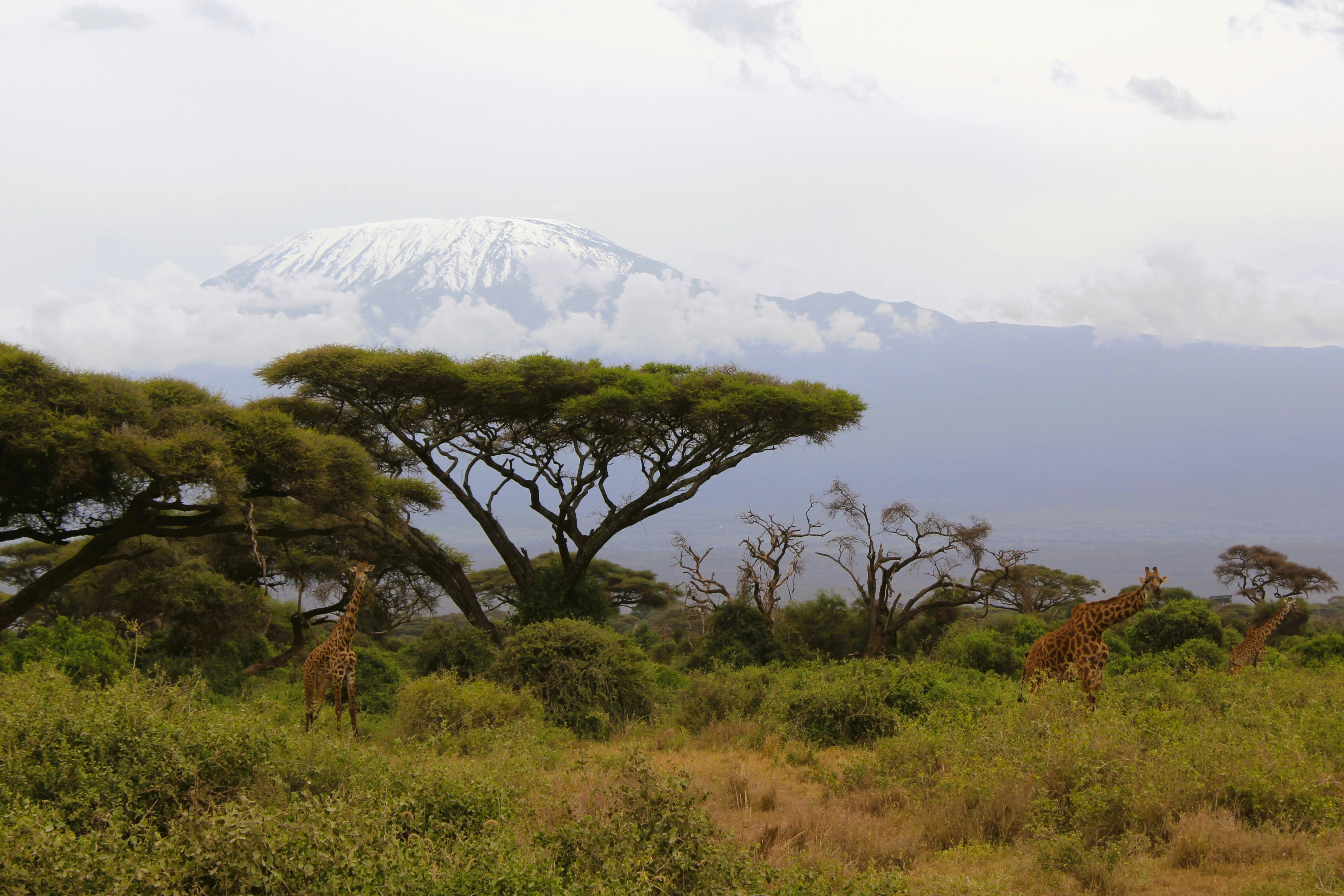
Dreaming of an unforgettable adventure in Tanzania? Climbing Mount Kilimanjaro, the tallest mountain in Africa and one of the world’s seven summits, promises a thrilling and awe-inspiring experience. Reaching its summit, Uhuru Peak, at 5,895 meters (19,341 feet), is a monumental achievement that demands preparation, stamina, and determination.

Many travellers wonder, “How long does it take to climb Kilimanjaro?” For a person with average fitness, the ascent usually takes five to nine days, depending on the chosen route, acclimatization schedule, and hiking pace.

Slow and steady trekking is essential to ensure a safe and enjoyable experience. Shorter tours exist, but they are often not recommended for beginners. The mountain offers programs for all levels, from casual hikers to experienced adventurers. Highlighting the importance of preparation, climbers must train in advance, equip proper gear, and understand altitude impacts to maximize the chances of summiting safely.

Climbing Kilimanjaro is more than just reaching the top; it is about experiencing the diverse landscapes along the way. Hikers move through lush rainforest, open moorlands, alpine deserts, and glacial slopes, each presenting unique challenges.

Proper acclimatization is vital, and choosing the right route plays a major role in summit success. Longer routes like Lemosho or Northern Circuit allow the body to adjust gradually, increasing success rates while offering breathtaking panoramic views.

Weather conditions, group dynamics, and personal fitness levels influence the pace and duration of the climb. With professional guidance, climbers can plan a customized itinerary to match their fitness, preferred pace, and desired experiences. Highlighting these factors ensures adventurers approach the climb safely, enjoy the scenery, and create unforgettable memories on Africa’s highest peak.

Understanding the Time Commitment for Kilimanjaro

Climbing Mount Kilimanjaro requires careful consideration of the time commitment and influencing factors. Route selection significantly affects the duration, as shorter paths like Marangu and Rongai may take five to six days, while scenic routes such as Machame or Lemosho often require six to eight days for gradual ascent and proper acclimatization.

Altitude gains each day is critical; rapid ascent increases the risk of altitude sickness, while slow climbing allows the body to adjust naturally. Fitness level affects pace, but even experienced hikers must respect the mountain’s challenges. Highlighting acclimatization, spending at least five nights below 13,000 feet is recommended to reduce altitude-related issues. Weather conditions, group dynamics, and emergency contingencies also impact schedules, making flexible planning essential for a successful climb.

Daily demands are physically and mentally intense, requiring endurance, stamina, and determination. Each stage presents unique challenges, from rainforest trails to glacial landscapes, requiring climbers to pace themselves carefully.

Experienced guides can make a significant difference, monitoring health, advising on proper acclimatization, and ensuring safety throughout the journey. Post-summit recovery time is crucial, as fatigue and altitude effects can persist before descending safely.

Longer itineraries enhance safety and allow climbers to fully enjoy Kilimanjaro’s diverse ecosystems. Highlighting this, climbers are advised to prioritize longer routes for better acclimatization, higher success rates, and a more immersive adventure. The climb is as much about preparation and planning as it is about reaching the summit, making careful timing essential.

So You’ve Decided to Climb Kilimanjaro

Taking on the challenge of climbing Africa’s highest mountain requires preparation and commitment. Proper training, including aerobic exercises and hill-walking, is crucial to prepare the body for the physical demands.

Fitness, stamina, and endurance all play a role in successfully summiting Kilimanjaro. Even without professional climbing skills, participants must gradually condition their bodies to handle long days of hiking at varying altitudes.

Highlighting preparation, months of training may be needed for beginners to reach a level where the climb is enjoyable and safe. Equipping appropriate gear, including layered clothing, boots, trekking poles, and sleeping equipment, is essential to handle varying temperatures and weather conditions along the trail.

Climbers must also mentally prepare for the trek. Challenges such as altitude, fatigue, unpredictable weather, and steep sections require determination, focus, and perseverance. Success depends not only on physical strength but also on a positive mindset and a steady pace during the ascent. Routes like Machame, Lemosho, and Northern Circuit are recommended for better acclimatization, gradually increasing the body’s tolerance to high altitudes.

Highlighting route selection, longer itineraries increase summit success while providing opportunities to enjoy breathtaking landscapes, from alpine deserts to glacial peaks. With proper preparation, determination, and guidance, climbers can safely achieve the unforgettable milestone of reaching Uhuru Peak.

Climb Kilimanjaro Seasons

Choosing the best time to climb Kilimanjaro is critical for safety, enjoyment, and success. The mountain’s weather is influenced by seasonal rains and temperature fluctuations. Highlighting ideal climbing periods, the dry seasons from January to March and June to October provide the most favorable conditions, offering clear skies, sunshine, and better trail accessibility. Climbing during these months reduces the risks of slippery paths and extreme weather, making the trek more comfortable and safer.

The mountain experiences occasional rain even during dry seasons, but these periods are generally more predictable and manageable. Planning your climb within these months ensures not only safety but also the opportunity to witness stunning sunrises and panoramic views over the Tanzanian plains.

During the wet seasons, trails become muddy, rivers swell, and visibility may be reduced, making the climb more challenging. Trekkers should be prepared for changing weather conditions regardless of season. Acclimatization remains essential in all periods, as temperature variations are significant at higher altitudes.

Highlighting preparation for climate, layering clothing, staying hydrated, and pacing the ascent can mitigate environmental stress. The chosen season also impacts wildlife sightings and scenic photography, as clear skies enhance visibility of the surrounding landscapes. Selecting the right climbing season allows hikers to combine safety, comfort, and the most rewarding visual experience while ascending Kilimanjaro.

Routes Up Mount Kilimanjaro

Mount Kilimanjaro has seven main trekking routes, each offering a distinct experience, scenery, and level of difficulty. The Marangu route, also called the “Coca-Cola route,” is the most beginner-friendly and provides dormitory-style huts instead of camping. Hikers often favour this route due to its established facilities and less strenuous terrain.

However, experienced climbers seeking adventure and panoramic views may prefer longer routes like Lemosho, Machame, or Northern Circuit, which offer more gradual ascents, higher success rates, and stunning scenery. The Rongai route, starting from the north near the Kenyan border, provides remote and less crowded paths for those seeking solitude and wilderness experiences.

Other routes, such as Shira and Umbwe, vary in difficulty and terrain. The Shira route is scenic but starts at a high altitude, requiring quick acclimatization, whereas Umbwe is the steepest and most challenging, with a direct ascent that limits gradual acclimatization.

Highlighting route selection, the Northern Circuit is considered the most balanced, offering nine days of trekking and high success rates due to extended acclimatization opportunities. Choosing a route depends on fitness, experience, schedule, and preferred scenery. Longer, gradual routes provide safer acclimatization and greater chances of reaching Uhuru Peak, making them ideal for first-time climbers seeking a rewarding and memorable Kilimanjaro experience.

What is Acclimatization?

Acclimatization is the process by which the body adapts to lower oxygen levels at high altitude. On Kilimanjaro, proper acclimatization is crucial to prevent altitude sickness and increase the likelihood of summit success. Climbers gradually ascend and rest at intermediate elevations, allowing their bodies to adjust to thinning air. The ideal strategy involves spending at least five nights below 13,000 feet before proceeding higher.

Highlighting this, longer itineraries naturally include these rest periods, improving safety and performance. Physical symptoms of poor acclimatization include headaches, fatigue, nausea, and shortness of breath, making proper pacing and planning essential for health and enjoyment during the climb.

Acclimatization is not only about rest but also about monitoring daily progress, hydration, and nutrition. Guides play a vital role in ensuring climbers do not ascend too quickly and that they recognize warning signs of altitude-related complications. Highlighting the benefits, gradual acclimatization increases endurance, improves comfort, and allows climbers to experience Kilimanjaro’s diverse landscapes without compromising safety.

The combination of careful pacing, proper preparation, and rest ensures that trekkers can reach Uhuru Peak while minimizing risks, making acclimatization one of the most important aspects of a successful Kilimanjaro climb.

Ascent and Descent

Climbing Mount Kilimanjaro usually takes between five to nine days, depending on the chosen route and pace. The descent is faster, often taking two days from the summit to the final camp, though some routes allow for quicker completion. Hikers experience dramatic changes in terrain, from rainforest to alpine desert, to glacial landscapes at higher altitudes.

Highlighting the ascent, slow pacing during the summit push is crucial for both physical performance and safe acclimatization. Descending requires attention as fatigued muscles and altered balance can make the final stage challenging. Professional guides assist in managing pace, safety, and overall timing throughout the climb.

The summit day, usually starting late at night, is the most demanding segment, involving steep climbs in cold temperatures. Climbers must maintain energy, focus, and rhythm to reach Uhuru Peak at sunrise, creating a truly unforgettable experience. Highlighting the importance of recovery, proper nutrition, hydration, and rest during both ascent and descent are critical.

The final descent, while physically easier than the climb up, can be demanding on joints and muscles, emphasizing the need for careful pacing and technique. Completing the round trip successfully requires endurance, mental resilience, and strategic planning to safely return to base camp.

FAQs

Climbing Kilimanjaro raises several common questions. How long it takes depends on route selection, with shorter paths like Marangu taking 5-6 days, and longer routes like Lemosho or Machame taking 7-9 days. Even highly fit climbers should avoid rushing, as altitude acclimatization is crucial to prevent sickness.

The best climbing seasons are January to March and June to October, offering dry trails, clear skies, and favourable conditions for summit success. Professional climbing skills are not required, but pre-climb aerobic preparation and hill-walking are essential for endurance. Highlighting altitude effects, gradual ascent schedules help climbers adapt to lower oxygen levels, reducing fatigue and health risks.

Factors such as weather, group dynamics, and unexpected challenges influence the overall time commitment. Longer itineraries are safer and more enjoyable, allowing full appreciation of the mountain’s scenic diversity. Choosing experienced guides improves acclimatization management, route navigation, and safety.

Highlighting route selection, climbers benefit from panoramic views, better success rates, and fewer crowds on longer paths. The combination of careful planning, physical preparation, and guided expertise ensures that adventurers reach Uhuru Peak safely and create lasting memories. Regardless of the chosen route, Kilimanjaro remains a life-changing adventure for those ready to embrace its challenges.

Conclusion

Climbing Mount Kilimanjaro is a once-in-a-lifetime adventure, blending physical endurance, mental resilience, and breathtaking natural beauty. The duration of the climb depends on the route, acclimatization, fitness level, and weather, typically ranging from five to nine days. Highlighting preparation and pacing, longer itineraries are recommended for safer trekking and better summit success.

Professional guidance, proper gear, and pre-climb fitness training significantly enhance the experience. Each route offers unique landscapes, from lush rainforests to glacial peaks, providing a comprehensive view of Africa’s tallest mountain.

Success on Kilimanjaro requires patience, preparation, and respect for the mountain’s challenges. Acclimatization, route choice, and timing are essential for minimizing risks and maximizing the adventure.

Climbers who take the time to prepare fully and pace themselves are rewarded with a triumphant summit at Uhuru Peak, unforgettable sunrise views, and memories that last a lifetime. Highlighting the transformative nature of this journey, the climb is not only about reaching the top but also embracing the diverse landscapes, personal challenges, and exhilaration that Kilimanjaro uniquely offers.

Best Things to Do in Arusha

10 Best Things to Do in Arusha, Tanzania

Arusha is more than just the gateway to Tanzania’s Northern Safari Circuit, it’s a vibrant, cultural, and ecological gem that deserves your full attention. Nestled at the base of Mount Meru, this lively city offers the perfect blend of adventure, relaxation, and cultural immersion. Whether you’re spending a few days before your Serengeti safari or simply passing through, you’ll find that Arusha has a variety of attractions that make it a destination worth exploring in its own right.

In this guide, we’ve handpicked the top 10 things to do in Arusha, ideal for first-time visitors, nature lovers, and cultural explorers alike. These activities can easily be incorporated into your Tanzania safari holiday to create a truly immersive experience.

1. Explore Arusha National Park

Located just 30 kilometres from the city centre, Arusha National Park is one of Tanzania’s most accessible and underrated parks. Though small compared to Serengeti or Tarangire, it offers a surprisingly diverse range of habitats, including lush montane forests, alpine meadows, volcanic craters, and tranquil lakes.

Visitors can enjoy traditional game drives, canoeing on Momella Lakes, and guided walking safaris with armed rangers, something that’s rare in most national parks. The park is home to giraffes, zebras, buffaloes, warthogs, and a rich variety of birdlife, including flamingos. If you’re lucky, you may spot the elusive leopard or colobus monkey swinging through the trees. Mount Meru, the second-highest mountain in Tanzania, provides a dramatic backdrop for photos and treks.

2. Visit the Maasai Market in Arusha City

For a true taste of local life and culture, head to the Maasai Market, where artisans and traders showcase their traditional wares. This colourful open-air market is the best place to buy authentic souvenirs like beaded jewelry, wood carvings, paintings, leather bags, sandals, and the iconic red-and-blue Maasai shuka.

Bargaining is part of the fun, and interacting with the vendors gives you a deeper understanding of the local community. Beyond shopping, the market is a cultural experience, it’s where tradition meets creativity, and every item tells a story.

3. Discover the Cultural Heritage Centre

The Cultural Heritage Centre is one of Arusha’s most visited landmarks, and for good reason. It’s not just a museum or gallery; it’s a multi-purpose complex that brings Tanzania’s rich tribal history and artistic expression under one roof.

You’ll find everything from ancient artifacts and Tanzanite gemstones to contemporary African sculptures and paintings. The architecture itself is stunning, and the expansive galleries make it easy to get lost in the stories of over 120 ethnic groups that make up Tanzania. You can shop for high-end souvenirs or simply soak in the history and artistry.

4. Take a Coffee Tour on a Local Plantation

Tanzania produces some of the finest Arabica coffee in East Africa, and Arusha’s fertile volcanic slopes are a key growing region. Just a short drive from the city, you can join a guided coffee tour at a local farm where you’ll learn how coffee is planted, harvested, dried, roasted, and ground, all using traditional techniques.

Many tours also include a farm-to-cup tasting session, giving you the chance to Savor rich, organic Tanzanian coffee in its freshest form. It’s an educational, delicious, and highly photogenic experience, perfect for slow travellers and coffee lovers.

5. Visit Lake Duluti for a Nature Escape

If you’re looking for peace and natural beauty, Lake Duluti is a perfect half-day or full-day escape from Arusha. This serene crater lake is surrounded by thick forest and is ideal for kayaking, birdwatching, and hiking.

The lake is home to kingfishers, cormorants, fish eagles, and monitor lizards. You can take a guided canoe trip on the calm waters, enjoy a picnic by the shore, or take a walking tour around the lake’s edge while learning about local flora and geology.

6. Experience a Walking Safari with a Maasai Guide

Unlike a traditional game drive, a walking safari gives you the chance to experience wildlife and nature up close, from tracking animal footprints to learning about native plants used in traditional medicine.

Several conservancies and areas near Arusha National Park and the Maasai Steppe offer these safaris, often guided by local Maasai warriors. You’ll walk through open savannah, past termite mounds and acacia trees, hearing firsthand stories about Maasai traditions and their coexistence with wildlife. It’s one of the most authentic and humbling experiences you can have in Tanzania.

7. Climb Mount Meru

Towering at 4,566 meters, Mount Meru is often overshadowed by Kilimanjaro, but it’s a spectacular trekking destination on its own. The climb takes 3 to 4 days and is a physically challenging but rewarding experience for trekkers. You’ll pass through dense forest, alpine meadows, and rocky ridges, all the while spotting wildlife like giraffes, monkeys, and antelope.

The views from the summit are breathtaking, with Kilimanjaro looming in the distance and a sea of clouds beneath your feet. Because Meru is less crowded, it’s a quieter, more intimate mountain adventure and also serves as a great acclimatization climb before attempting Kilimanjaro.

8. Visit the Arusha Declaration Museum

This lesser-known gem offers a fascinating look into Tanzania’s post-independence history. The Arusha Declaration Museum chronicles the political and social journey of the country, particularly the role of the 1967 Arusha Declaration in shaping Tanzania’s socialist policies under President Julius Nyerere.

Through documents, photos, and exhibitions, visitors learn about the ideals of Ujamaa (familyhood), nation-building, and how Tanzania sought to remain independent from foreign influence. It’s an enlightening experience for history buffs and anyone wanting to understand the soul of the nation.

9. Tour the Shanga Foundation

Located within the grounds of Arusha Coffee Lodge, the Shanga Foundation is a socially-conscious enterprise that employs people with disabilities to create beautiful handmade crafts. The project promotes inclusivity and creativity, and your visit helps support their mission.

Guests can watch artisans at work, blowing glass, weaving fabrics, beading jewelry, and even try their hand at making something themselves. The on-site boutique is full of unique souvenirs that support a great cause. Shanga isn’t just a stop; it’s a heartfelt experience.

10. Taste Traditional Tanzanian Cuisine

Your time in Arusha wouldn’t be complete without trying the local food. From street vendors to mid-range restaurants and upscale lounges, the city offers a variety of dining experiences. Taste nyama choma (grilled meat), ugali (a maize meal staple), mishkaki (skewered meat), ndizi nyama (banana and meat stew), and chapati (flatbread).

Some recommended restaurants include Khan’s BBQ, George’s Tavern, Blue Heron, and Themi Living Garden, which offers vegetarian and vegan options. Dining in Arusha is more than a meal—it’s a window into Tanzanian hospitality and flavour.

Plan Your Arusha Adventure with Tanzania Beauty Safaris

Whether you’re in Arusha for a short stay or using it as a base to explore Tanzania’s famous national parks, this dynamic city offers plenty to see and do. From mountain treks and wildlife adventures to immersive cultural encounters, Arusha is the perfect blend of nature and tradition.

At Tanzania Beauty Safaris, we specialize in crafting personalized itineraries that combine the best of Arusha with unforgettable safari experiences across Tanzania. Our knowledgeable local guides and curated activities ensure that your journey is smooth, enriching, and tailored to your interests.

Ready to explore Arusha?

Contact us today to build your custom itinerary and turn your Tanzania safari into the adventure of a lifetime.

Serengeti Migration Safari Guide

The Ultimate Serengeti Migration Safari Guide

Embark on an unforgettable journey through one of the most spectacular wildlife events on the planet, the Great Migration of the Serengeti. With Tanzania Beauty Safaris as your expert guide, you’ll witness nature’s most dramatic theatre as over two million animals traverse the vast plains in search of life-giving rains and fresh pasture. This annual movement, driven by survival and ancient instinct, is an awe-inspiring dance between predator and prey, water and dust, birth and death.

Book this Tour:- 5 Day Great Migration Safari – Serengeti & Ngorongoro Crater

The Great Migration isn’t just about movement, it’s a living, breathing cycle that unfolds with remarkable precision and rhythm across the seasons. From the lush southern plains where thousands of wildebeests give birth each day, to the perilous river crossings in the north, every chapter of this journey offers its own breathtaking encounters.

Whether you’re an avid wildlife photographer, a first-time safari-goer, or someone who’s dreamed of standing amidst the thunder of hooves on the Serengeti, this guide will walk you through what to expect, where to go, and when to witness the different stages of the migration. Prepare to discover a world where nature rules, drama unfolds daily, and every sunrise holds the promise of something extraordinary.

November to Mid-March: The Calving Season in Southern Serengeti and Ndutu

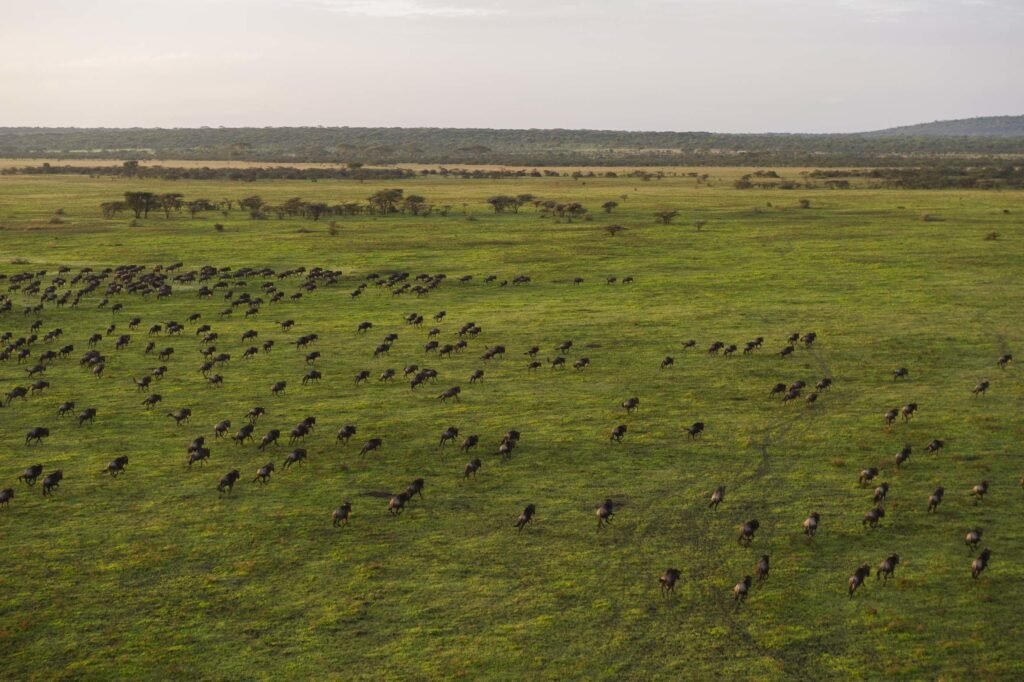
As November arrives, the first signs of the migration stir in the eastern Serengeti. The herds begin their movement southward from Kenya’s Masai Mara, drawn by the short rains that bring life back to the savannah. By late November, the wildebeests, along with vast numbers of zebras and gazelles, begin to populate the southern Serengeti and the fertile plains of Ndutu, a region famed not only for its wildlife density but also for its scenic beauty.

This is a time of renewal. The landscape, once golden and dry, turns lush green almost overnight. Storm clouds gather in the distance, casting dramatic light across the plains. Wildebeests march in long, graceful lines, calves still unborn but growing inside their mothers. The air hums with anticipation.

By mid-December and especially throughout January and February, the miracle of life takes centre stage. Nearly 500,000 wildebeests are born during this short window, and it’s not uncommon to witness several births during a single game drive. The open plains, free of thick brush, offer protection for the newborns, giving them space to learn to walk, run, and survive within minutes of birth.

Yet, with new life comes danger. Predators such as lions, leopards, hyenas, and cheetahs follow closely. This creates a thrilling and raw spectacle of survival. Cheetahs often use termite mounds for elevated vantage points, stalking newborn calves as they stray from the herd. Hyenas test the perimeter, waiting for opportunity. The circle of life is vivid, real, and emotional.

February is the peak of the calving season, offering exceptional opportunities for photographers and wildlife lovers. Beyond the wildebeests, travellers may also spot baby zebras, gazelles, warthogs, and even the occasional young giraffe. The abundance of prey leads to dramatic predator interactions, making this a top choice for those seeking dramatic moments without the crowds of peak season.

The weather, though humid, is largely cooperative. Short rains occur mostly at night, keeping the daytime ideal for exploration. This is also Tanzania’s “Green Season,” offering verdant backdrops, colourful birdlife, and reduced tourist numbers. The photographic conditions are superb, stormy skies, golden light, and green grasslands make for powerful compositions.

For a complete calving safari experience, we recommend at least 3–5 nights in the Ndutu region. Lodges and tented camps in this area are well-situated for day-long explorations, often placing you in the heart of the action at sunrise.

Mid-March to April: Westward Transition and Rainy Serenity

As the end of March approaches, the drama of calving gradually gives way to movement once more. The calves, now a few weeks old, are stronger, faster, and better prepared for the arduous journey ahead. The herds begin to stretch out again, spreading across the southern and southwestern Serengeti, with the densest concentrations shifting toward the Moru Kopjes and the Kusini area.

This time of year, marks the beginning of the long rains. While this may deter some travellers, those who do visit are treated to one of the Serengeti’s most peaceful and evocative seasons. The scenery is almost dreamlike, rolling green hills, wildflowers in bloom, and distant thunder echoing across the savannah.

Though the migration is less condensed during this period, there’s a quiet beauty in the scattered herds. Young calves play and run, zebras travel in synchronized motion, and elephants wander among the acacias. Predator sightings remain frequent, especially near the woodlands where cover allows for stealth.

Photography becomes a game of patience and reward. Rainstorms may roll through briefly, but they give way to glowing skies and rainbow-lit horizons. With fewer safari vehicles in the parks, you may have intimate wildlife encounters without interruption.

April may not offer the blockbuster events of river crossings or mass birthing, but it provides a more introspective safari, perfect for travellers who seek solitude, space, and authenticity. Staying in the southern and western reaches of the park during this time allows for easy tracking of the herds as they transition northward.

May to June: The Grummet River Crossings in the Western Corridor

By early May, the herds have gathered momentum. Now hundreds of thousands strong, they flow into the western Serengeti, moving towards the Grumet River. This is where the drama rises once more. Though not as famous as the Mara, the Grumet crossings are wild, intense, and deeply captivating.

The river, flanked by dense forests and dotted with fig trees, snakes through the western corridor of the park. It’s not particularly wide, but it teems with Nile crocodiles, some stretching up to 20 feet in length. As the wildebeest’s approach, the stakes become clear.

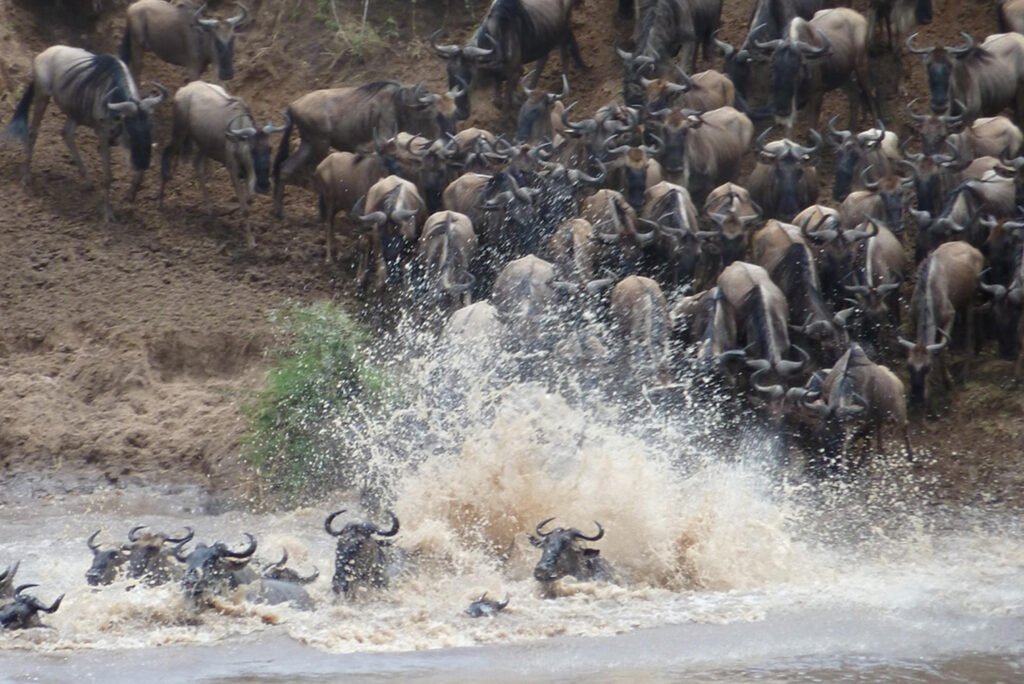
Crossing the Grumeti is a test of instinct. The animals hesitate, pacing along the banks, sometimes turning back, sometimes jumping in masse. Some make it. Others do not. For those lucky enough to witness a crossing here, the experience is unforgettable, raw, chaotic, and emotional.

View our Tanzania Safari Page

June is the peak month for these events. The herds are compact, the calves are stronger, and the predators more focused. Lions and leopards trail the migration through the forest fringes. Meanwhile, birdlife flourishes in the area, kingfishers, herons, and fish eagles add an avian dimension to the spectacle.

The weather during May and June is transitional. While May can still bring lingering showers, June generally marks the return of drier days and cooler temperatures, making it a comfortable and productive time for safari. Lodges in the western Serengeti are well-positioned to access both game-rich plains and the riverbanks, offering an ideal base for 2–4 nights of exploration.

July to October: The Mara River Crossings and the Northern Drama

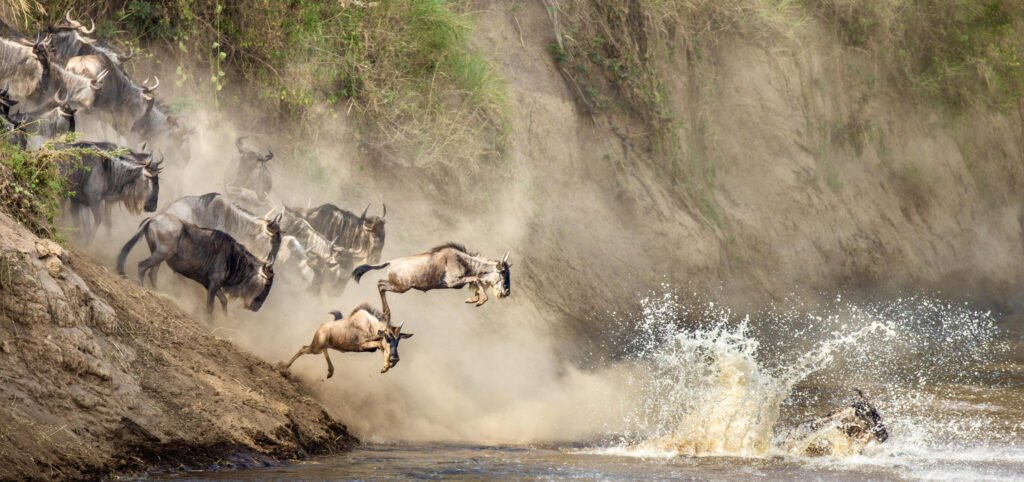
This is the moment that safari dreams are made of. From July through October, the Great Migration reaches its climax in the northern Serengeti and the bordering Masai Mara. The Mara River stands as the final and most dangerous barrier in the wildebeests’ journey, a churning gauntlet of fast-flowing water, steep banks, and waiting crocodiles.

The scale of the crossings here is epic. Tens of thousands of animals can gather at the river’s edge, their calls filling the air as dust rises and tension builds. They stall. surge. They hesitate again. Then suddenly, one jumps. And then another. And the chaos begins.

Some are swept away. Others break legs. Many make it to the other side. The sense of survival is tangible, and witnessing a Mara River crossing in person is an emotional and exhilarating experience that stays with you for life.

The most reliable period to catch a crossing is from mid-July to late September. During this window, the herds are mostly in the Kogatende and Lamai regions of the Serengeti, crossing back and forth between Tanzania and Kenya as they follow the rains. However, October can also provide opportunities as the migration begins to head south again.

Beyond the river crossings, the northern Serengeti is a wildlife haven in its own right. The landscape is varied, with rolling hills, acacia woodlands, and open savannahs. Lion prides patrol the valleys. Cheetahs stalk from termite mounds. And leopards rest in trees along the river.

The dry season during these months ensures clear skies, warm days, and cool nights, ideal conditions for safari. Visibility is excellent, and the lack of vegetation makes it easier to spot elusive predators. Due to the unpredictability of crossings, we recommend a stay of at least 3–4 nights in the northern Serengeti to maximize your chances.

While witnessing a crossing is never guaranteed, extended time in the area dramatically increases your odds. Some travellers are lucky enough to see multiple crossings in one day. Others wait patiently and are rewarded by the sheer anticipation and build-up. Either way, the experience is deeply moving.

Why Travel with Tanzania Beauty Safaris?

At Tanzania Beauty Safaris, we don’t just take you to the Serengeti, we immerse you in its stories. With local expertise, personalized service, and a deep passion for conservation, we craft migration safaris that align with your travel goals, budget, and sense of adventure.

Our expert guides know the terrain, the timing, and the behaviour of the wildlife. Whether you’re hoping to photograph a dramatic crossing, observe lions on the hunt, or simply watch a sunrise over the savannah with a cup of fresh Tanzanian coffee in hand, we’re here to make it happen.

Choose from our handpicked collection of safari itineraries, ranging from 5-day calving safaris in Ndutu to 9-day northern Serengeti migration adventures. Whether you prefer luxury tented camps, intimate lodges, or mobile camps that follow the herds, we’ll help you find the perfect setting for your journey.

Conclusion: Witness Nature’s Greatest Journey

The Great Migration is more than a safari, it’s a front-row seat to the rhythm of the wild. It’s the thunder of hooves at dawn. The quiet moment when a calf first stands. The splash of water as thousands leap into the unknown. The chase, the survival, the rebirth.

No matter when you travel, the Serengeti offers something truly special. From the soft rains of the south to the roar of rivers in the north, every moment is a reminder of the beauty, power, and resilience of nature.

Let Tanzania Beauty Safaris be your guide to this once-in-a-lifetime adventure. Contact us today to begin planning your ultimate Migration Safari and step into the heart of Africa’s greatest wildlife story.

The Complete Guide to Tanzania Safari

What Is a Tanzania Safari?

A Tanzania safari is a guided journey into some of the world’s most iconic wildlife areas, offering close encounters with wild animals in their natural habitat. Unlike a zoo or wildlife park, a safari in Tanzania takes you deep into national parks and game reserves like the Serengeti, Ngorongoro Crater, and Tarangire, where nature remains untouched and animals roam free. Whether by open-roof vehicle, walking tour, or hot air balloon, each safari delivers a unique and immersive experience.

In this guide to Tanzania, we define a safari as more than just game viewing, it’s a full adventure that includes dramatic landscapes, rich culture, and luxurious or rustic accommodations in the heart of nature. From sunrise drives to sundowners overlooking the savannah, a Tanzania safari offers a perfect blend of excitement and tranquility.

Tanzania Safaris can be tailored to suit every traveler, from luxury getaways to budget-friendly camping tours. Most itineraries last from 3 to 10 days and often include visits to multiple parks. You can also combine your safari with beach holidays in Zanzibar or climbs up Mount Kilimanjaro.

If you’ve ever dreamed of seeing lions hunt, elephants roam in herds, or flamingos cover a lake in pink, then a Tanzania safari is the ultimate travel experience. Keep reading this guide to Tanzania to explore the best parks, the best times to visit, and how to plan your perfect safari.

Why Choose Tanzania for Your Safari Adventure?

If you’re planning an unforgettable wildlife experience, this guide to Tanzania reveals why the country is one of the top safari destinations in Africa. With vast savannahs, rich cultures, and an abundance of wildlife, Tanzania offers a safari adventure like no other. From the iconic Serengeti National Park to the breathtaking Ngorongoro Crater, each destination delivers its own unique charm and beauty.

Tanzania is home to the Big Five, lion, leopard, elephant, buffalo, and rhino. But beyond that, visitors can witness the Great Wildebeest Migration, one of the most spectacular wildlife events on Earth. Whether you’re a first-time traveler or a seasoned explorer, a Tanzania safari provides unmatched opportunities for photography, learning, and exploration.

What sets Tanzania apart is its diversity. You can combine thrilling game drives with relaxing beach escapes on Zanzibar Island. You can also immerse yourself in Maasai culture and experience traditional life in rural villages.

Safety, accessibility, and well-developed tourism infrastructure make Tanzania ideal for both solo travelers and families. The country’s national parks are well-protected, and many safari lodges are eco-friendly, offering sustainable tourism options.

In short, a safari adventure in Tanzania is more than a vacation, it’s a life-changing journey. Whether you’re chasing sunsets across the Serengeti or watching elephants at Tarangire, Tanzania will leave you inspired and wanting more. Let this guide to Tanzania help you plan a safari experience that goes beyond your wildest expectations.

Tanzania’s Geography and Wildlife

Tanzania is a country of stunning geographical diversity and extraordinary wildlife. Located in East Africa, it stretches from the lush shores of Lake Victoria in the northwest to the white-sand beaches of the Indian Ocean in the east. At the heart of the country lies the Great Rift Valley, a dramatic geological feature that shapes much of Tanzania’s landscape and biodiversity.

This diverse geography creates a wide range of habitats—open savannahs, volcanic highlands, tropical forests, lakes, and wetlands—making it a haven for wildlife. Tanzania is home to more than 4 million wild animals and over 1,100 bird species, making it one of the most biodiverse safari destinations in the world.

The famous Serengeti National Park is a vast grassland teeming with lions, leopards, elephants, giraffes, and countless herbivores. Just southeast of it lies the Ngorongoro Crater, a UNESCO World Heritage Site known as the world’s largest inactive volcanic caldera, where wildlife is densely concentrated.

In the south, Ruaha and Selous (now part of Nyerere National Park) offer wilder, less crowded safari experiences. In contrast, the north is more popular and well-developed for first-time travelers.

Tanzania’s rich ecosystem is not only beautiful but also vital for conservation. Its protected areas support the iconic Great Migration, where over two million wildebeest, zebras, and gazelles move in search of fresh grazing.

Understanding Tanzania’s geography and wildlife is key to planning a meaningful and unforgettable safari.

Best Time to Visit Tanzania for a Safari

The best time to visit Tanzania for a safari is during the dry season, which runs from June to October. During these months, the weather is sunny, the skies are clear, and wildlife viewing is at its peak. Because vegetation is thinner and animals gather around water sources, it’s easier to spot the Big Five and other wildlife in the open.

This period also aligns with the Great Wildebeest Migration, particularly in the northern Serengeti. Between July and September, millions of wildebeest and zebras cross the Mara River—a dramatic and unforgettable sight that draws visitors from around the world.

However, Tanzania is a year-round safari destination. The green season, from November to March, offers lush landscapes, fewer crowds, and lower prices. Birdwatchers will especially enjoy this time, as migratory birds arrive in large numbers. Calving season for wildebeest also occurs between January and February, attracting predators and delivering unique safari moments.

April and May mark the long rains. While some camps close and travel becomes more challenging, this off-peak time offers solitude and vibrant scenery for those who don’t mind occasional showers.

When planning your trip, consider the kind of experience you want. Whether you’re chasing dramatic river crossings or looking for peaceful game drives, this guide to Tanzania ensures you choose the best season for your dream safari.

Top Safari Parks in Tanzania

Tanzania is home to some of the most iconic national parks and game reserves in Africa. Each park offers a unique safari experience, from endless plains to volcanic craters and baobab-dotted landscapes. Whether you’re a first-time traveler or a seasoned explorer, this guide to Tanzania highlights the top safari parks you should include in your itinerary.

Serengeti National Park

The Serengeti is Tanzania’s most famous park, known for its vast savannahs and the annual Great Wildebeest Migration. It’s also one of the best places to see lions, cheetahs, and elephants in their natural environment.

Ngorongoro Crater

A UNESCO World Heritage Site, the Ngorongoro Crater is a collapsed volcano filled with rich wildlife and stunning scenery. It offers one of the highest densities of animals in Africa, making it ideal for short yet rewarding game drives.

Tarangire National Park

Famous for its large herds of elephants and iconic baobab trees, Tarangire is often less crowded than Serengeti but equally rewarding. It’s especially vibrant during the dry season when wildlife flocks to the Tarangire River

Lake Manyara National Park

This small but diverse park is known for its tree-climbing lions, flamingos, and lush groundwater forest. It’s a great stop for a day safari, especially en route to Ngorongoro.

Nyerere (Selous) and Ruaha National Parks

For a more remote experience, head south to Nyerere (formerly Selous) or Ruaha. These parks offer fewer tourists, walking safaris, and a true wilderness feel.

Each of these parks brings something unique to your safari adventure. Continue reading this guide to Tanzania to learn how to combine them into a perfect itinerary.

Types of Tanzania Safari Experiences

Tanzania offers a wide range of safari experiences to suit every traveler’s style and budget. Whether you’re looking for luxury, adventure, or a deeper connection with nature, this guide to Tanzania explores the most popular types of safaris available across the country’s national parks and reserves.

Game Drives

Game drives are the most common safari experience in Tanzania. Led by expert guides in 4×4 vehicles, these drives take you deep into the heart of the bush to observe wildlife in their natural habitat. Morning and evening game drives are ideal for spotting lions, elephants, leopards, and more.

Walking Safaris

For a more immersive experience, walking safaris are offered in select parks like Ruaha and Nyerere. Accompanied by armed rangers, you’ll explore the wilderness on foot, learning about animal tracks, plants, and the ecosystem up close.

Balloon Safaris

In the Serengeti, a hot air balloon safari offers a breathtaking view of the landscape and wildlife below. At sunrise, you’ll float silently above the plains, an unforgettable and romantic experience often followed by a champagne breakfast in the bush.

Fly-In Safaris

If time is limited, fly-in safaris offer quick access to remote parks like Katavi or Mahale. These safaris maximize your wildlife time and minimize travel stress.

Cultural Safaris

Tanzania also offers cultural safaris, where you can visit Maasai, Hadzabe, or Datoga communities. These encounters provide insight into traditional lifestyles and enrich your overall safari journey.

Every safari style offers a unique way to experience Tanzania’s incredible natural world. Choose one, or combine several, for the adventure of a lifetime.

What Animals Will You See on Safari in Tanzania?

One of the biggest reasons travelers choose a Tanzania safari is the chance to witness some of the most iconic wildlife on the planet. This guide to Tanzania wouldn’t be complete without highlighting the incredible animals you’re likely to encounter in the country’s top national parks and reserves.

The Big Five

Tanzania is one of the best places in Africa to see the Big Five: lions, leopards, elephants, buffalo, and rhinos. The Ngorongoro Crater is especially famous for its black rhino population, while the Serengeti offers excellent chances to see lions hunting in the wild.

The Great Migration Herds

Each year, over two million wildebeest, zebras, and gazelles move through the Serengeti in search of greener pastures. This Great Migration is one of the most spectacular wildlife events on Earth and a major highlight of any safari in Tanzania.

Large Predators

Besides lions and leopards, you may also spot cheetahs, hyenas, and wild dogs in parks like Ruaha and Selous (Nyerere). These predators are often seen tracking prey or resting under acacia trees.

Herbivores and Grazers

Giraffes, zebras, hippos, warthogs, and a variety of antelope species—such as impalas, elands, and kudu—roam freely throughout Tanzania’s parks.

Birdlife and Reptiles

With over 1,100 bird species, Tanzania is a paradise for birdwatchers. Look for colorful lilac-breasted rollers, flamingos, fish eagles, and hornbills. You may also spot crocodiles, monitor lizards, and various snakes near water sources.

No matter where your safari takes you, wildlife encounters in Tanzania are always rich, raw, and unforgettable.

Where to Stay on Your Tanzania Safari

Choosing the right accommodation is a key part of planning your safari adventure. From luxury lodges to mobile camps, Tanzania offers a wide range of places to stay, each with its own level of comfort, style, and proximity to wildlife. In this guide to Tanzania, we break down your options to help you find the perfect base for your safari.

Luxury Safari Lodges

For travelers seeking comfort and style, Tanzania’s luxury safari lodges deliver top-tier service, gourmet meals, and breathtaking views. Many are located inside national parks, offering close wildlife encounters and private game drives. Lodges like Four Seasons Serengeti or &Beyond Ngorongoro Crater Lodge provide unforgettable experiences with high-end amenities.

Mid-Range Tented Camps

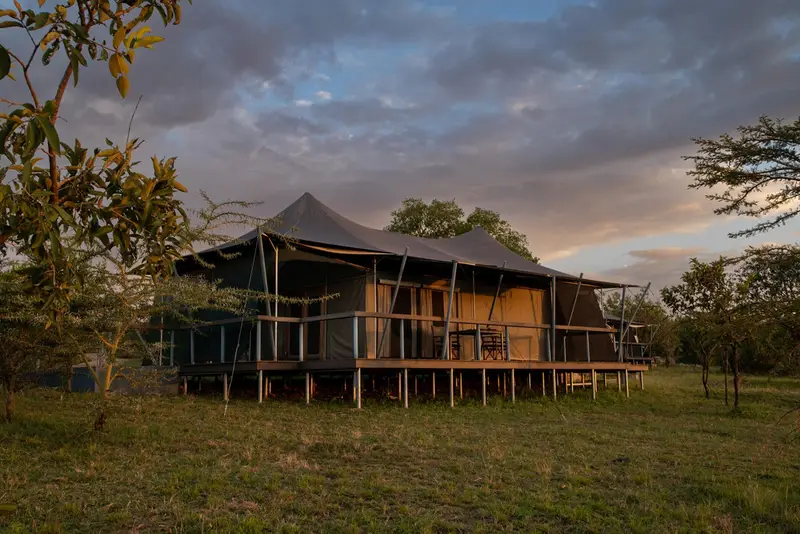
Mid-range tented camps combine adventure with comfort. These camps offer en-suite bathrooms, hearty meals, and friendly service, all while keeping you immersed in nature. Camps like Kati Kati in the Serengeti or Rhino Lodge near Ngorongoro are popular among couples and families.

Budget Campsites and Hostels

For budget-conscious travelers, public campsites and local guesthouses provide affordable access to Tanzania’s safari circuit. Though basic, they offer authentic experiences and are often used by overland groups or self-drive tourists.

Unique Stays

Looking for something special? Consider mobile camps that move with the migration, or eco-lodges built from sustainable materials. These options let you stay closer to wildlife while minimizing your environmental impact.

Wherever you stay, Tanzania’s accommodations are designed to bring you closer to nature—without sacrificing the experience. Use this guide to Tanzania to match your budget and travel style with the right safari base.

What to Pack for a Safari in Tanzania

Packing well is essential for a comfortable and successful safari in Tanzania. This guide to Tanzania recommends lightweight, neutral-colored clothing to blend into the environment and avoid attracting insects. Bring breathable fabrics for daytime heat and a warm jacket for early morning or evening game drives. Don’t forget a wide-brimmed hat, sunglasses, and sturdy walking shoes. Essential items also include sunscreen, insect repellent, binoculars, and a good camera with extra batteries. If you plan on walking safaris, consider long sleeves and pants to protect against thorny bushes and insects. Lastly, pack any personal medications, travel documents, and a reusable water bottle to stay hydrated throughout your adventure.

How to Plan the Perfect Safari in Tanzania

Planning a safari can feel overwhelming, but this guide to Tanzania breaks it down step-by-step. Start by choosing the best time to visit based on your interests and budget. Decide which national parks or reserves you want to explore and how many days you’ll spend in each. Next, research safari operators and read reviews to find trusted guides and tour packages. Consider your accommodation preferences, luxury lodges, tented camps, or budget options. Remember to check visa requirements, vaccinations, and travel insurance before booking. Finally, prepare your packing list and confirm flight and ground transport arrangements. With careful planning, your Tanzania safari will be smooth, safe, and unforgettable.

Travel Tips for Your Tanzania Adventure

To make the most of your Tanzania safari, this guide to Tanzania shares some important travel tips. Always listen carefully to your safari guide and follow safety instructions. Respect wildlife by maintaining a safe distance and avoiding loud noises. Carry a copy of your passport, keep valuables secure, and drink only bottled or purified water. Familiarize yourself with local customs and dress modestly when visiting villages. It’s also wise to bring some local currency (Tanzanian shillings) for small purchases or tips. Lastly, stay flexible, wildlife sightings and weather can be unpredictable, but patience and a positive attitude will enhance your experience.

Beyond the Safari: More Things to Do in Tanzania

While the safari is the highlight, Tanzania offers plenty of other exciting activities. After your wildlife adventure, relax on the pristine beaches of Zanzibar, known for turquoise waters and vibrant coral reefs. Adventure seekers can climb Africa’s highest peak, Mount Kilimanjaro, or explore the lush Usambara Mountains. Cultural tours provide opportunities to meet Maasai and Hadzabe Group, learning about their traditions and crafts. For birdwatchers, Lake Manyara and the Rift Valley lakes offer spectacular sightings. Whether you want relaxation, adventure, or cultural immersion, Tanzania has something for everyone.

Final Thoughts: Why This Guide to Tanzania Will Help You Plan the Trip of a Lifetime

This comprehensive guide to Tanzania is designed to equip you with the knowledge and confidence needed to plan your dream safari. From understanding the best time to visit and where to stay, to what to pack and how to behave responsibly, every detail is covered. Tanzania’s unmatched wildlife, stunning landscapes, and warm people create a travel experience that stays with you forever. Use this guide as your starting point, and embark on a journey filled with awe, discovery, and unforgettable memories.

Which Tanzania safari is best?

Determining the “best” Tanzania safari depends on your preferences, interests, budget, and the experience you’re seeking. Tanzania offers a variety of safari experiences, each with its own unique features. Here are a few popular options:

  1. Serengeti National Park:
    • Highlights: Known for the Great Migration, vast plains, and diverse wildlife.
    • Best Time to Visit: June to October for the Great Migration.
  2. Ngorongoro Crater:
    • Highlights: Dense wildlife population in a volcanic crater, including the Big Five.
    • Best Time to Visit: Year-round, but June to September is drier.
  3. Tarangire National Park:
    • Highlights: Large elephant population, diverse landscapes, and birdlife.
    • Best Time to Visit: June to October for dry season wildlife viewing.
  4. Selous Game Reserve:
    • Highlights: Remote and less crowded, boat safaris along the Rufiji River.
    • Best Time to Visit: June to October for dry season.
  5. Lake Manyara National Park:
    • Highlights: Unique tree-climbing lions, diverse birdlife, and the alkaline lake.
    • Best Time to Visit: Year-round, but June to October for wildlife.
  6. Ruaha National Park:
    • Highlights: Remote and wild, with diverse landscapes and wildlife.
    • Best Time to Visit: June to October for dry season wildlife viewing.
  7. Mahale Mountains National Park:
    • Highlights: Chimpanzee trekking in a mountainous rainforest setting.
    • Best Time to Visit: June to October is drier, but chimpanzee trekking is possible year-round.

When choosing a safari, consider the time of year, the type of wildlife you want to see, the level of luxury or adventure you prefer, and any specific activities like balloon safaris, walking safaris, or cultural experiences. It’s also essential to choose a reputable safari operator to ensure a safe and enjoyable experience. Remember to check the latest travel advisories and entry requirements before planning your trip.

Top 05 things to do in Arusha


Arusha is a pleasant city in Tanzania, offering many attractions! If you’re planning to visit the city, let us share with you the top things to do in Arusha.

Arusha city is settled at the base of Mount Meru. There are a lot of attractions in Arusha as it’s a gateway to several safari destinations, and to the Northeast of the city lies the highest peak in Africa—Mount Kilimanjaro.

To the West of Arusha is the ever-popular Serengeti National Park—the home to many wildlife, such as rhinoceros, leopards, lions, giraffes, and many more! You can also witness the most anticipated annual Great Migration, featuring millions of wildebeests crossing its plains.

Furthermore, this bustling African city is also the starting point to the Ngorongoro Crater, Tarangire National Park, and Lake Manyara National Park. Nonetheless, this place has a lot to offer other than being a starting point to safaris.

Arusha, which is locally known as the ‘A-Town’, has a lot of attractions of its own and is a great spot to feel the Tanzanian life. This place also has a fun party scene which is plausibly one of the reasons why the crowd likes it.

So, if you want to visit Arusha, here are some of the things to do in the ‘A-Town’:

#1: Climbing mount Meru

Arusha lies at the base of Mount Meru. The climb on this mountain is typically 3 to 4 days and the peak is smaller than Mount Kilimanjaro. Nonetheless, the hike is still comparably challenging and rewarding.

You can trek the mountain all year round, but it’s best to avoid the wet season to enjoy the hiking experience and scenery. On clear days, you can get incredible views of Mount Kilimanjaro, which sits approximately 50 miles away, adjacent to Moshi town.

During your climb, you can see groups of buffaloes, warthog, zebras, elephants, hippos, and other animals at Momella Lakes. Here are a few facts about the mountain:

  • It’s the second tallest mountain in Tanzania at 4,566 meters.
  • Mount Meru has abundant wildlife sightings even on day 1 of the climb.
  • It can be an excellent acclimatization climb before taking Mount Kilimanjaro.
  • The ascent and descent via the Momela route can be completed in three days.
  • Mount Meru has dormitory-style cottage accommodation.

#2: Book a safari tour

If you haven’t been on a Northern Circuit Tanzania safari, it’s time to pay a visit! Book a tour in the Northern Circuit, and you’ll never have a shortage of great experiences from the Ngorongoro Crater, the SerengetiLake Manyara, or Tarangire.

Easy Travel offers trips to these spots, as well as to Lake Natron. If you’re traveling alone, you can join our group trips!

#3: Visit the Arusha National Park

Another thing you can do in the ‘A-Town’ is visiting the Arusha National Park. It’s one of the main attractions in Arusha. Here, you can see a lot of giraffes, zebras, and buffalos, along with leopards, hyenas, hippos, and elephants.

It’s also possible to do walking safaris here that you can add to your package!

#4: Nature walk at Lake Duluti

Lake Duluti is a volcanic crater lake found in Mount Meru’s foothills. Rocky hills and verdant forests surround this lake that draws many marvelous birds, such as:

  • Grey herons
  • Egrets
  • Kingfishers
  • Fish eagles

The place also has numerous butterflies, reptiles, and primates—making it an ideal place for bird-lovers and nature walkers. There’s also a guided canoe trip on the lake with the magnificent view of Mount Kilimanjaro and Mount Meru in the background.

#5: Visit the maasai tribe

One of the things you can do when you visit Arusha visits the Maasai Tribe. This tribe can be found in Northern Tanzania and Kenya.

If you’re interested in learning how they live, visiting them can be a great decision. Here, you can find welcoming Masaai villages where you can spend time learning about their culture.