Lake Eyasi sits south-west of the Ngorongoro Highlands, in a broad Rift Valley basin where the landscape opens into dry woodland, low escarpments and a shallow seasonal lake. It is not a conventional big-game destination. The reason to include it in a northern Tanzania journey is the chance to understand a different part of the region: its changing lake environment, its long human history and the communities whose lives are connected to this country around the water.
A visit is often arranged around time with Hadzabe and Datoga community members, usually with a local guide or interpreter who helps visitors understand what is happening rather than simply watching from a distance. The quality of the experience depends on how it is organised. Tanzania Beauty Safaris recommends agreeing on the visit in advance, keeping groups small and treating photography, conversation and payment as matters of consent and respect.
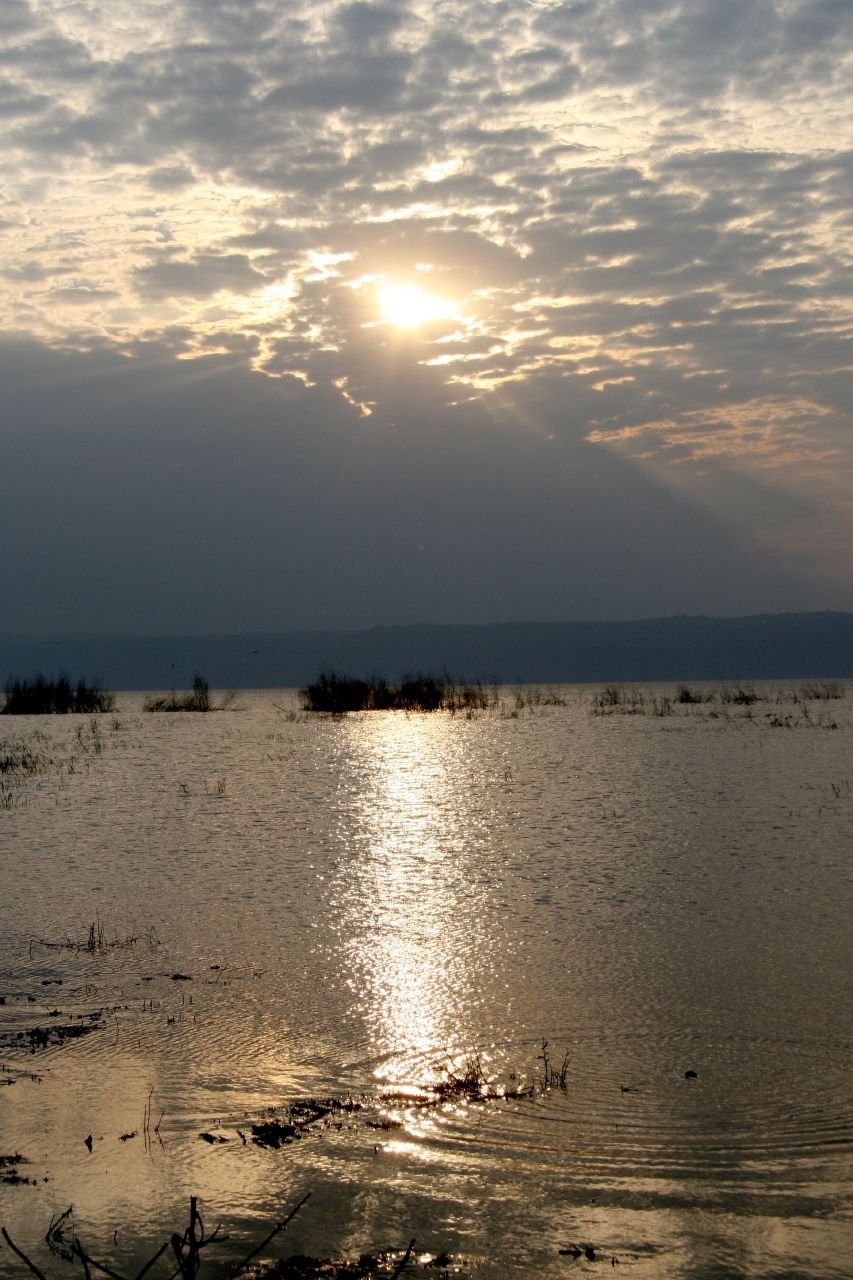
The Lake Eyasi landscape and the communities who live around it
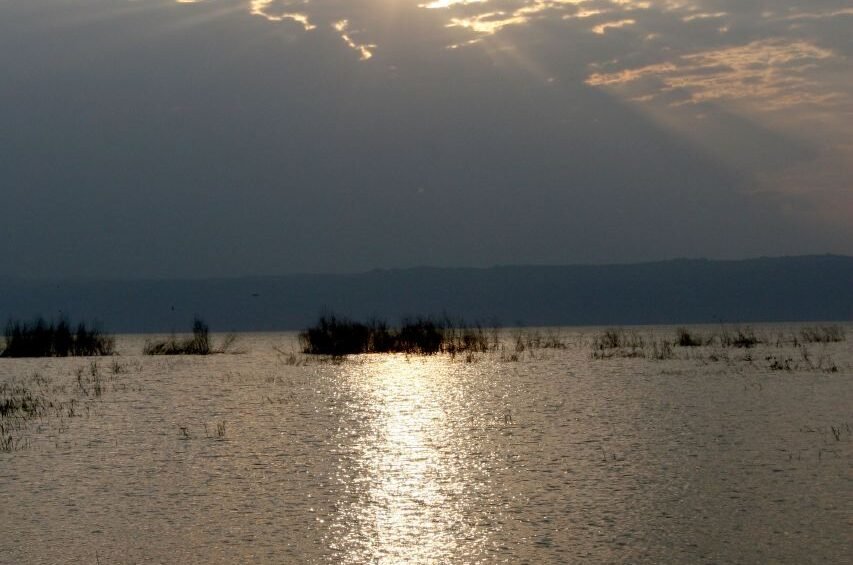
Lake Eyasi is a shallow saline lake on the floor of the Eastern Rift Valley, below the escarpment that forms the south-western edge of the Ngorongoro highlands. Its appearance changes with rainfall. In wetter periods, water spreads across a wider part of the basin and the shoreline can become a mosaic of shallow pools, mudflats and reed-fringed edges. During dry spells, the lake contracts and sections of the basin may appear pale, exposed and almost desert-like. This seasonal change is part of the reason the area feels different from the permanent-water landscapes of the northern safari circuit. It also means that visitors should not plan around a guaranteed flamingo spectacle or assume that the lake will look the same in every month.
The wider Eyasi basin is home to several communities, including Hadzabe and Datoga people, whose histories, livelihoods and relationships with the land are not interchangeable. Hadzabe families are widely known for maintaining hunting and gathering knowledge, while Datoga communities include pastoralists and skilled metalworkers. Around the lake and in the surrounding highlands there are also Iraqw farming communities and other residents. These are contemporary communities with changing priorities, education, work and family lives. They should not be presented as people frozen in the past or as an attraction that exists for visitors. A well-planned cultural visit begins by recognising that the people being met are hosts with their own decisions about whether and how to welcome guests.
The Ngorongoro Lengai Geopark’s southern route begins around Karatu and travels towards Lake Eyasi, connecting the lake basin with cultural and archaeological places in the wider highlands. The route is a reminder that this part of Tanzania has more to offer than wildlife viewing alone. The landscape records geological change, farming histories and human movement over a very long period. Nearby Laetoli is known for ancient hominin footprints preserved in volcanic ash, while the lake itself forms part of a larger Rift Valley setting. Visitors who allow time to understand the geography will see Lake Eyasi as more than a quick stop after the crater: it is a destination with its own ecological and cultural story.
How to arrange a respectful Hadzabe and Datoga cultural visit
The most important decision is who organises the encounter. Ask whether the visit is arranged through a local community guide, who will interpret, which community representatives have agreed to receive visitors and how the fees are distributed. A clear answer is more meaningful than a promise of an ‘authentic’ experience. There is no single visit that represents every Hadzabe or Datoga family, and not every person will want to be photographed, interviewed or included in a demonstration. A good guide explains the plan before arrival and gives guests room to follow the hosts’ lead. If the community changes its plans or does not wish to receive visitors on a particular morning, that decision should be respected.
Some visits take place early in the day and may include a walk with Hadzabe participants, conversation about local knowledge of plants and the landscape, or an explanation of hunting tools and food gathering. The details vary with the people present and the arrangements made for that day. A Datoga visit may include time with a metalworker, where visitors can learn how recycled metal is heated and shaped into useful objects or jewellery. These activities are not performances that should be demanded on cue. The best approach is to listen, ask questions through the interpreter and understand that a short visit can only offer a small window into a much larger community life.
Photography needs particular care. Ask before taking a portrait, and ask again before photographing children, homes or private activities. A person agreeing to one photograph has not automatically agreed to a video, a social-media post or commercial use. Avoid placing a camera close to someone while they are working or speaking. If a community member declines, put the camera away without argument. Visitors should also ask whether a community contribution is included in the quoted price, whether craft purchases go directly to the maker and whether any additional payment is expected. Tanzania Beauty Safaris can help coordinate the logistics, but the aim should be a visit that is transparent and welcome, not one that treats culture as a checklist.
Getting to Lake Eyasi, when to visit and where to stay
Lake Eyasi is commonly reached by road from Karatu, making it a practical extension to a northern Tanzania safari that already includes Ngorongoro, Lake Manyara or the Serengeti. The drive time depends on the exact lodge, road condition and which part of the lake basin is being visited, so an itinerary should use a realistic transfer window rather than promise a fixed arrival time. From Karatu, the route moves away from the busier crater access road and into a more open, rural landscape. Guests travelling from Arusha usually need to allow for the longer drive to the highlands before continuing to the lake. A dawn cultural visit is easier when travellers stay close to the lake the previous night, rather than attempting a very early departure from a distant park.
There is no single month that guarantees the best experience. The lake’s water level responds to rainfall, so the shoreline, birdlife and road conditions change through the year. Dry periods can make some tracks easier to use but may expose broad salt and mud flats. After rain, the basin can look greener and water may spread into shallow areas, while some local tracks may become slower. Cultural visits can be arranged in different seasons, but the availability and form of a visit depend on the community’s own schedule. It is sensible to confirm the arrangements shortly before travel rather than assume that a particular activity will take place every day.
Accommodation around Lake Eyasi is more limited than in Karatu, where travellers can choose from a wider range of lodges and farm stays. A lakeside or escarpment camp can make an early start more convenient and give time to enjoy the quiet landscape, while Karatu may suit guests who prefer more choice in accommodation or want to continue to Ngorongoro the following day. The right choice depends on the route, comfort level and timing of the cultural visit. A useful itinerary generally allows enough time for the morning encounter and the drive back to the main safari circuit without turning the day into a rushed transfer. Tanzania Beauty Safaris can help fit Lake Eyasi into a wider journey, while confirming community arrangements, accommodation and the road plan before the trip is finalised.
Lake Eyasi adds a human and geographical dimension to a northern Tanzania safari. It is best approached with time, curiosity and a willingness to let the visit follow the wishes of the people who host it. If you would like to include Lake Eyasi between Karatu, Ngorongoro and the wider northern circuit, contact Tanzania Beauty Safaris to discuss a route and community visit that can be arranged respectfully.
Understanding the communities and arranging a respectful visit
Visits around Lake Eyasi are most rewarding when travellers understand that the Hadzabe and Datoga are living communities, not attractions arranged for a performance. The Hadzabe have a distinct language and a long tradition of hunting and gathering, while Datoga communities are known for pastoral livelihoods and skilled metalworking. Families and individuals make their own choices about whether to welcome visitors and what they wish to share. Customs and daily routines are not identical from one household to another, so a guide should explain the purpose of the visit and ask permission before guests enter a home, take photographs or observe an activity.
A responsible cultural visit should be based on clear consent and fair arrangements. Ask the operator how the community visit is organised, who acts as the local host or interpreter, whether a community contribution is included and what that payment supports. Avoid treating a brief demonstration as a complete picture of a people’s history or current life. Many families balance cultural knowledge with schooling, trade, livestock keeping, mobile phones and other aspects of contemporary life. A thoughtful guide allows visitors to ask questions without pressuring people to disclose private matters or stage activities that are not part of their normal day.
For a wider northern-circuit route, compare this experience with our Ngorongoro Crater safari guide and Tarangire National Park guide.
Lake Eyasi can be combined with the Ngorongoro area, but the route requires attention to road conditions and the time needed for the visit. A morning activity may begin early, and the best sequence depends on where guests slept the previous night and where they travel afterwards. The lake’s appearance and access can change with rainfall, while dust and heat can be significant in drier periods. Comfortable walking shoes, modest practical clothing, sun protection and water are useful. Travellers should keep photography discreet, follow the host’s instructions and understand that a community member may decline a photograph or a question. These simple courtesies help make the encounter more respectful for everyone.