Empakaai Crater Hike: A Walking Experience in the Ngorongoro Highlands
The Ngorongoro Conservation Area is usually introduced through the famous crater floor, where a game drive moves between grassland, woodland and wetland in search of wildlife. Farther north-east in the highlands, Empakaai offers a different experience. There is no vehicle circuit around the lake and no drive across the crater floor. The visit is made on foot, descending through forest towards a deep soda lake and then climbing back to the high rim.
This is a rewarding addition for travellers who enjoy walking and want to understand the volcanic highlands beyond the main crater. It is not a casual stroll, however. Altitude, steep sections and changing weather make a realistic plan essential. Tanzania Beauty Safaris can help arrange the route with the required local authority and ranger arrangements.
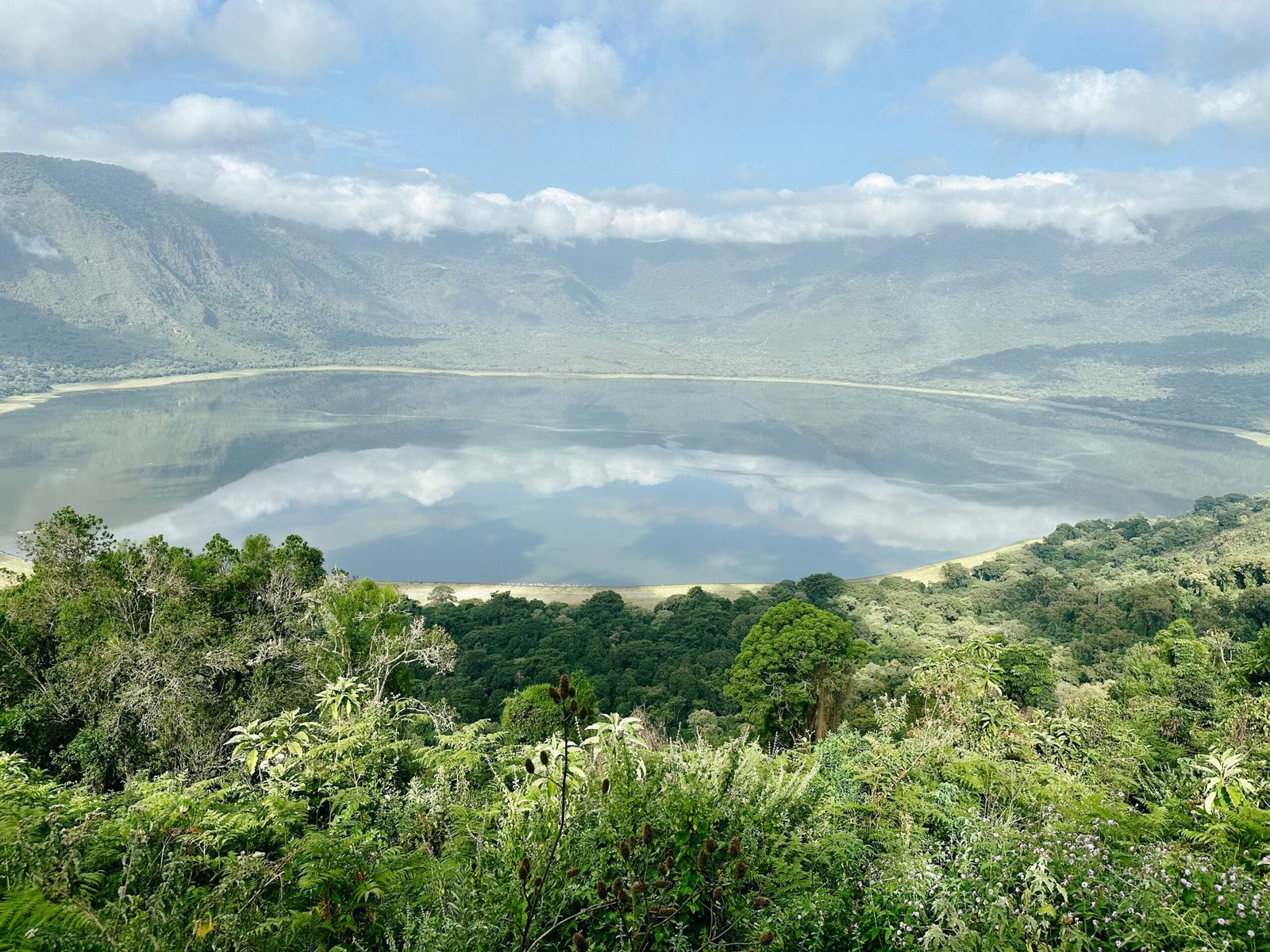
A different Ngorongoro landscape beyond the main crater
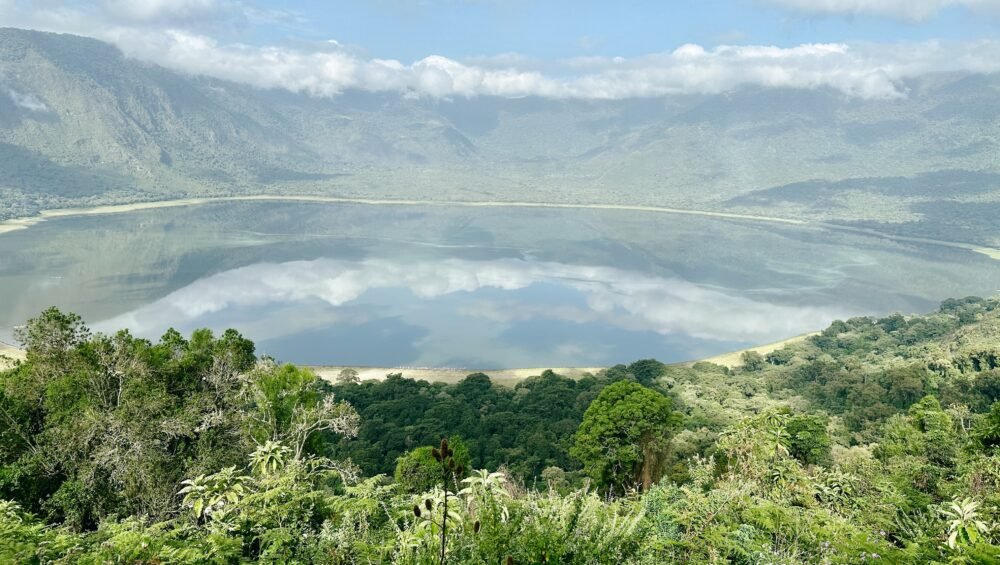
Empakaai is one of the volcanic craters in the Ngorongoro Highlands, north-east of the better-known Ngorongoro Crater. The two places belong to the same broad conservation landscape, but the experience is quite different. The main crater is explored by safari vehicle on designated roads, while Empakaai is reached by a walk from the rim. Its steep wooded walls enclose a floor where a large part of the area is occupied by a deep alkaline lake. From the rim, the view can change quickly as cloud and mist move across the highlands. On a clear day, the lake may appear blue or green; under cloud, the colours become softer and the far shore can disappear into haze.
The crater’s shape and elevation help explain why the walk feels more demanding than the distance alone suggests. The rim reaches roughly 3,200 metres on the western side and about 2,590 metres on the eastern side, while the wooded inner slopes fall steeply towards the water. The lake covers a substantial portion of the crater floor and provides habitat for waterbirds, including flamingos when conditions are suitable. Their numbers are not fixed. Water levels, food availability and seasonal conditions influence where birds gather, so a visitor should treat flamingos as a possibility rather than a promise. The landscape itself is the main attraction: forested slopes, open lake edges and the sense of being inside an ancient volcanic basin.
Empakaai is part of the Ngorongoro Lengai Geopark, a wider landscape of volcanic features, highland villages and geological sites. The official geopark routes connect the crater highlands with places such as Olmoti, the Ngorongoro caldera and viewpoints towards the Rift Valley. This broader setting matters when planning a trip. Empakaai is not a separate national park with a simple gate-to-gate circuit; it is within the Ngorongoro Conservation Area, where conservation, pastoral life and tourism exist side by side. Visitors should follow the route arranged by their operator and the conservation authority rather than attempting to find an independent path to the rim.
The Empakaai walk: descent, lake shore and the climb back
The walking route begins near the crater rim and descends through vegetation towards the lake. The downhill section is usually the easier part, but the track can be uneven and slippery after rain. The Ngorongoro Conservation Area Authority’s published walking information gives an approximate descent of about one hour and a return climb of around two and a half hours, depending on fitness and conditions. These are planning estimates, not a timetable. The group may need more time for photographs, bird observation, rests or a slower pace at altitude. The climb out is the part to take seriously: the path rises several hundred metres through the forested crater wall, and the air is thinner than at lower elevations.
Walking is arranged with an armed ranger, and the visit should be booked in advance through a licensed operator or the relevant conservation authority arrangements. The ranger is not simply there to lead the way; the escort is part of the safety and access framework for walking in this wildlife landscape. Visitors should remain with the group, follow instructions and avoid moving away from the designated route to approach birds or other wildlife. The lake shore is not a swimming area. It is a sensitive alkaline environment, and the walk is about observing the setting rather than entering the water or disturbing feeding birds. A guide can explain the forest plants, tracks and birdlife, but the experience is often most rewarding when the group allows time to be quiet.
Fitness preparation should be practical rather than athletic. Travellers should be comfortable walking uphill on uneven ground for several hours and should consider how they respond to altitude. People with heart or respiratory conditions, recent injuries or concerns about exertion should discuss the hike with a medical professional before booking. Proper walking shoes with grip, layered clothing, a rain shell, sun protection and drinking water are sensible. The weather can feel cool at the rim and warmer during the climb, so layers are easier to manage than one heavy jacket. A realistic plan leaves room for rest and does not combine the hike with an already demanding crater game drive on the same day.
How to include Empakaai in a northern Tanzania safari
Empakaai is best treated as a dedicated highland activity rather than a short stop between major parks. Travellers staying in Karatu, on the Ngorongoro rim or at a suitable camp in the conservation area may be able to reach the route as part of a carefully arranged day. The exact drive depends on the accommodation and access road, and the condition of the highland tracks can change after rain. An itinerary should allow time for the vehicle transfer, ranger arrangements, the descent, time at the lake and the climb back to the rim. It is unwise to promise a precise return time without knowing the group’s pace and the weather.
The hike can be paired with other highland experiences, but it is important not to overfill the day. Olmoti Crater is another walking destination in the area, known for its grassy basin and the Munge River waterfall. It has a different character and should be planned as a separate activity if guests want to enjoy both routes properly. The main Ngorongoro Crater game drive is also a separate experience, usually requiring its own early start and several hours on the crater floor. Trying to fit Empakaai, Olmoti and a full crater game drive into one day would make the itinerary rushed and tiring. A good safari gives each landscape enough time.
Accommodation choice influences the experience. Karatu offers a wider range of lodges and is useful for travellers moving between Lake Manyara, Ngorongoro and the Serengeti. A lodge closer to the conservation area may reduce some road travel, while a highland camp can make the early start more convenient. The right option depends on the wider route, comfort preference and confirmed access arrangements. Tanzania Beauty Safaris can build Empakaai into a private northern circuit safari, explaining the walking requirement, ranger arrangements and realistic time needed before the trip is confirmed. For travellers who want to see more than the crater floor, it is a worthwhile way to experience the scale and variety of the Ngorongoro Highlands.
Empakaai rewards travellers who want to slow down and explore the Ngorongoro Highlands on foot. The lake, forested crater wall and high-altitude setting make it memorable, but the return climb and ranger arrangements deserve careful planning. Contact Tanzania Beauty Safaris if you would like to add the Empakaai Crater hike to a northern Tanzania itinerary.
What the Empakaai trail involves
The Empakaai walk is more than a viewpoint visit. The route descends from the crater rim towards the lake and then climbs back to the highlands, so the return ascent is an important part of the effort. Trail conditions can change with rain, and sections may be muddy, slippery or uneven. The crater’s steep sides make the walk feel more demanding than the distance alone suggests. Visitors should ask for the expected walking time, elevation change, route condition and pace before confirming the excursion. A realistic schedule also allows time for stops to observe the forest, the crater walls and the birdlife around the lake.
Empakaai is known for its alkaline lake and the changing colour of its water, which can appear different according to light, cloud and seasonal conditions. Flamingos may be present, but their numbers and location vary; they should never be treated as a guaranteed sighting. The crater walls support montane vegetation, and the walk can reveal a quieter side of the Ngorongoro highlands than the busy crater-floor game drive. The landscape is volcanic in origin, and the steep caldera gives visitors a clear sense of the geological forces that shaped this part of the Rift Valley.
You can also read our Ngorongoro Crater safari guide and Lake Eyasi cultural safari guide when planning a wider stay in the Ngorongoro Highlands.
Because the walk takes place in a conservation area with its own regulations, arrangements should be confirmed through the authorised operator and relevant authority. Visitors should establish where they meet the guide, whether a ranger escort is required, what fees apply and whether the activity can be combined with other stops on the same day. Do not assume that a vehicle can wait at every point or that the walk can be shortened once underway. Carry drinking water, sun protection and a light layer for changing highland weather. Anyone uncertain about steep descents or knee strain should discuss this honestly before booking, rather than relying on the group to adjust after reaching the trail.