Introduction to Tanzania Safaris
Tanzania is renowned for its dramatic landscapes, diverse wildlife, and rich cultural heritage, making it one of the premier safari destinations in Africa. A Tanzania safari is an immersive experience that allows travelers to explore the stunning national parks and reserves, each offering unique opportunities to witness the natural world in its most pristine state. The country’s appealing charm lies in its ability to cater to various travel preferences, from budget-conscious visitors to luxury travellers seeking exclusive encounters with nature. As Tanzania Safari cost give a wide range to first time travellers to have to decide which Tanzania Packages that suits his/her budget and here is a summary help to guide you.
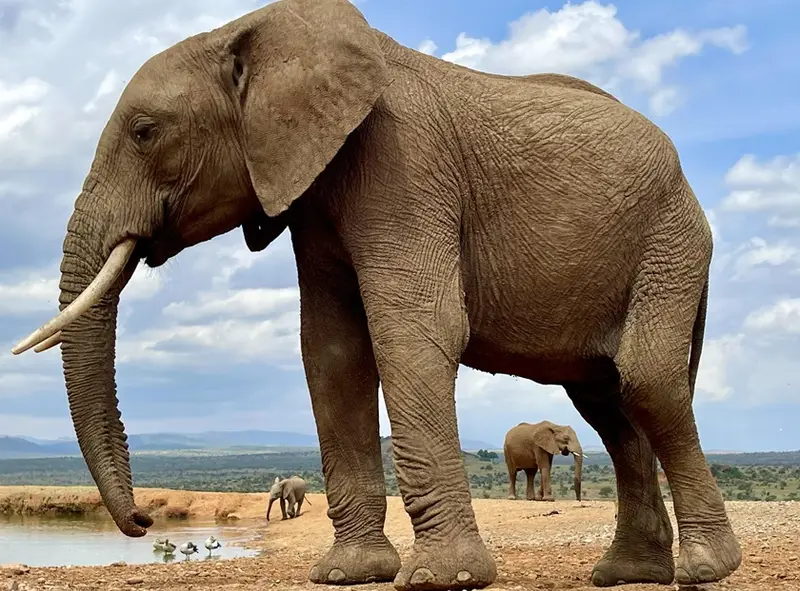
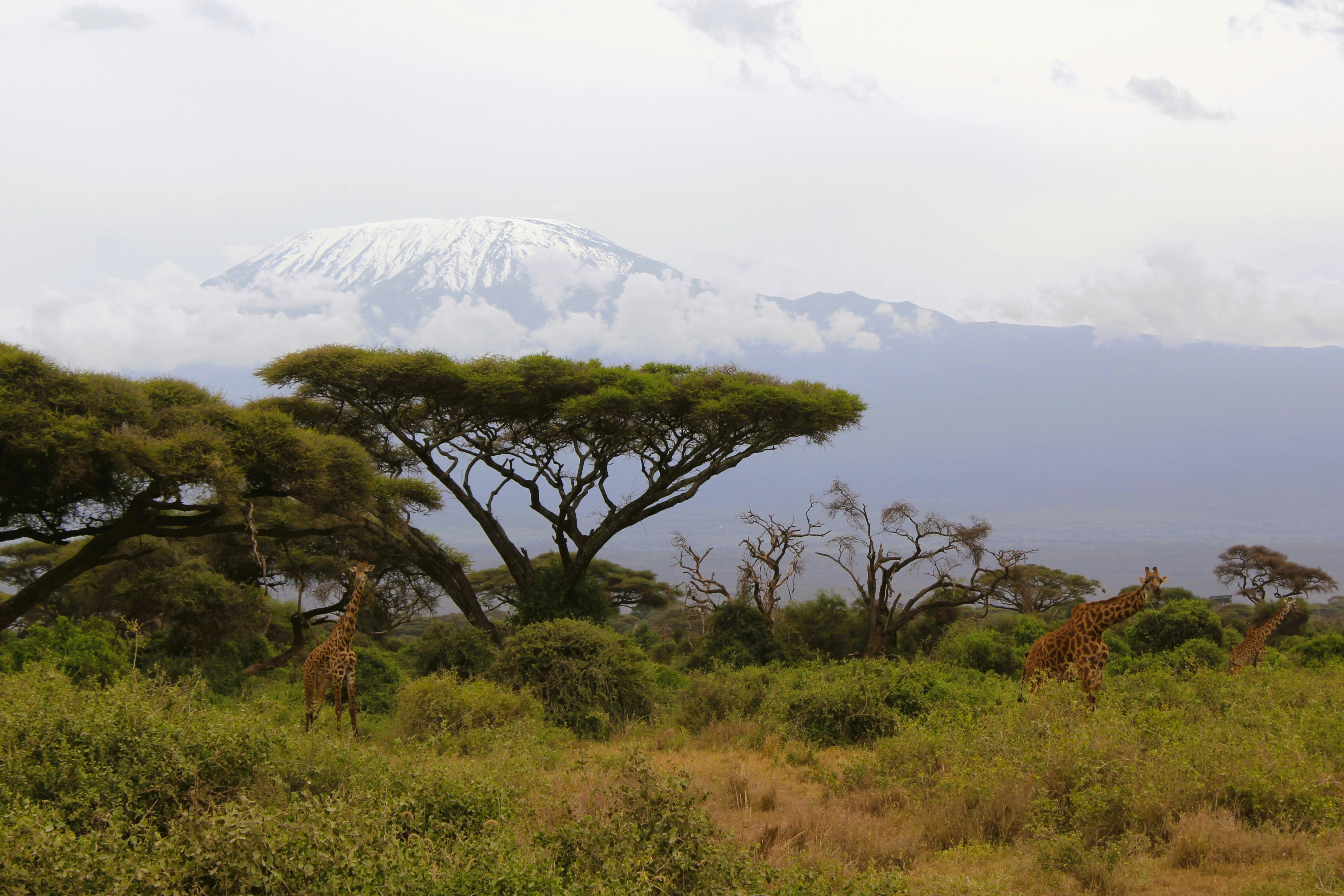
One of the highlights of a safari in Tanzania is the chance to see the Great Migration, where millions of wildebeest, along with zebras and gazelles, traverse the vast Serengeti in search of greener pastures. This extraordinary phenomenon creates an unparalleled spectacle of wildlife and is a major allure for many tourists. Beyond the Serengeti, locations such as Ngorongoro Crater, Lake Manyara, and Tarangire National Park offer diverse ecosystems that support abundant flora and fauna, making Tanzania a microcosm of wildlife diversity.
Furthermore, a safari in Tanzania is not just about observing wildlife; it also provides opportunities for cultural exchanges with local communities, such as the Maasai. Engaging with their traditional ways of life enhances the safari experience, allowing for a deeper understanding of the region’s history and culture. Such experiences contribute significantly to the growing popularity of Tanzania as a travel destination.
As more travelers seek this unforgettable adventure, understanding the various costs associated with Tanzania safaris becomes essential. In the following sections, we will delve into the budget, mid-range, and luxury options, elucidating how each segment influences the overall experience. This comprehensive overview will equip potential travelers with the necessary insights to plan a memorable journey through Tanzania’s breathtaking wilderness.
Overview of Safari Pricing Categories
Understanding the various pricing categories for safaris in Tanzania is crucial for travelers seeking an experience that aligns with their budget and expectations. The safari pricing can broadly be classified into three distinct tiers: budget, mid-range, and luxury. Each category offers unique experiences and varying levels of service, comfort, and amenities, catering to different traveler preferences.
Budget Safaris are designed for cost-conscious travelers who prioritize experiencing wildlife and nature without splurging on high-end accommodations. Typically, budget safaris include shared transportation, basic lodging in campgrounds or budget lodges, and group tours. The focus is on the safari experience itself rather than the level of luxury. Although budget safaris are less expensive, they still provide ample opportunity to witness the stunning wildlife and landscapes that Tanzania is renowned for.
Mid-Range Safaris offer a balance between comfort and cost. In this category, travelers can expect more comfortable accommodations, often in mid-range lodges or tented camps, along with private or semi-private transportation. These safaris usually include guided tours with expert guides who enhance the experience with their knowledge of flora and fauna. Mid-range options aim to provide a moderate level of luxury while still being accessible to a wider audience.
Luxury Safaris cater to those seeking the ultimate experience in comfort, exclusivity, and personalized service. Luxury safaris often involve stays in upscale lodges or luxury tented camps, gourmet meals, and private guides. Travelers can expect premium amenities and tailored itineraries that ensure a bespoke safari experience, highlighting the exquisite beauty of Tanzania’s natural landscape and wildlife.
Budget Safaris: What to Expect
Budget safaris in Tanzania provide an accessible way for travelers to experience the country’s stunning wildlife and landscapes without breaking the bank. Typically, the costs for a budget safari can range anywhere from $150 to $300 per day, depending on the season, the specific parks, and the duration of the safari. These prices generally include transportation, a knowledgeable guide, basic meals, and camping or budget lodging in national parks.
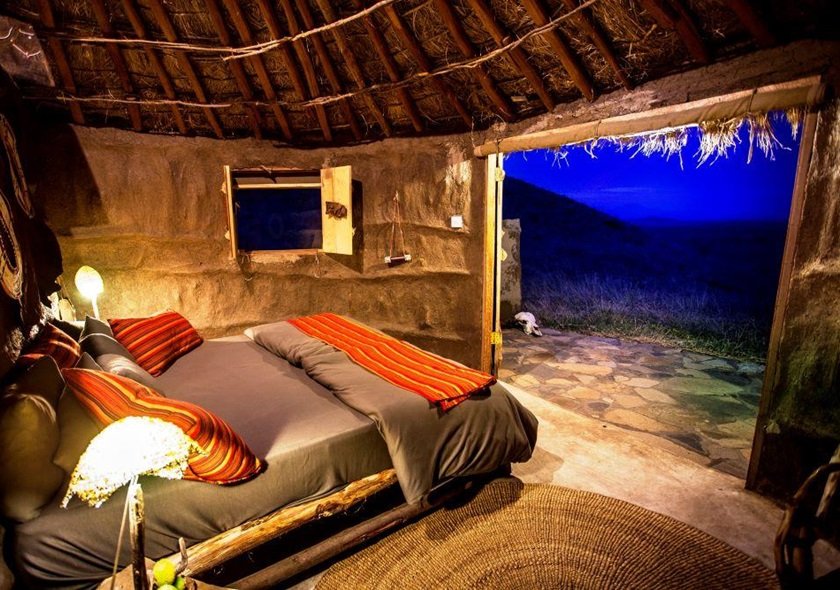
When selecting a budget safari, travelers can expect to stay in modest accommodations such as camping tents or camping lodges that offer shared bathrooms and essential amenities. Although these facilities may lack the luxury found in upscale lodges, they often provide a genuine experience of Tanzania’s rugged beauty and proximity to nature. Night-time sounds of wildlife create an adventurous atmosphere that appeals to many budget travelers.
Transportation during budget safaris usually involves open-sided 4×4 vehicles designed for game viewing. These vehicles are advantageous for spotting wildlife while being cost-effective. It’s important to note that while the vehicles may not offer the frills of luxury options, they are designed to enhance the safari experience by providing unobstructed views of the magnificent landscapes and animals.
To maximize the budget safari experience, travelers are encouraged to plan their safari during the low season, when prices decrease due to fewer tourists. Engaging with local guides and participating in group tours can also help keep costs down while ensuring a rich experience. Additionally, travelers may wish to prioritize certain parks or experiences, allowing them to focus on specific wildlife viewing while managing expenditures effectively.
Mid-Range Safaris: Balancing Cost and Experience
Mid-range safaris present an ideal option for travelers looking to enjoy the unique wildlife and breathtaking landscapes of Tanzania without overspending. These safaris typically strike a balance between affordability and comfort, offering a variety of amenities and services that enhance the overall experience. The accommodations available in this category range from well-appointed lodges to tented camps, each designed to provide both comfort and a close-to-nature experience.
The typical costs for mid-range safaris vary depending on several factors, including the time of year, duration of the safari, and specific package inclusions. Generally, travelers can expect to pay between $200 to $400 per day for mid-range safari experiences. This price usually includes accommodations, most meals, park entrance fees, and guided game drives. Some providers may also offer inclusive cultural experiences or additional activities, such as walking safaris or village tours, which can significantly enrich the overall adventure.
Travelers seeking mid-range options often appreciate the intimate experiences facilitated by smaller group sizes. These guided tours allow for a more personalized service while still benefiting from the expertise of skilled guides who share vital knowledge about the ecosystem and its inhabitants. Additionally, activities may extend beyond traditional game viewing, encompassing opportunities for hot air balloon rides at dawn, bird watching, and participation in conservation efforts.
Overall, mid-range safaris cater to those looking to immerse themselves in Tanzania’s natural beauty without compromising too much on comfort or experience. This approach not only enhances the enjoyment of the journey but also ensures that visitors engage meaningfully with the stunning landscapes and rich wildlife that Tanzania has to offer.
Luxury Safaris: Premium Experiences
Luxury safaris in Tanzania offer an unparalleled travel experience, distinguished by their premium accommodations, personalized services, and exclusive access to some of the most remarkable wildlife encounters on the continent. These safaris typically present a much higher price point compared to budget or mid-range options, reflecting the quality of the accommodations and the level of service provided.
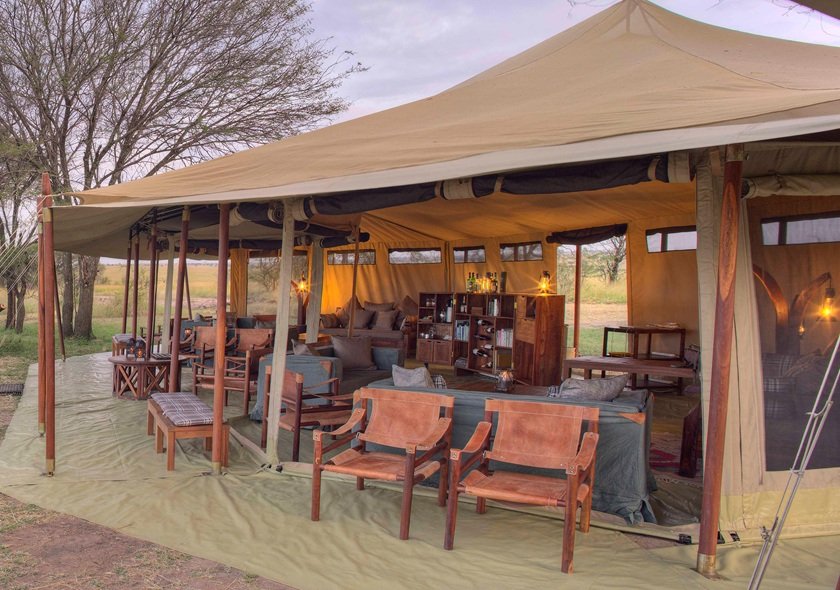
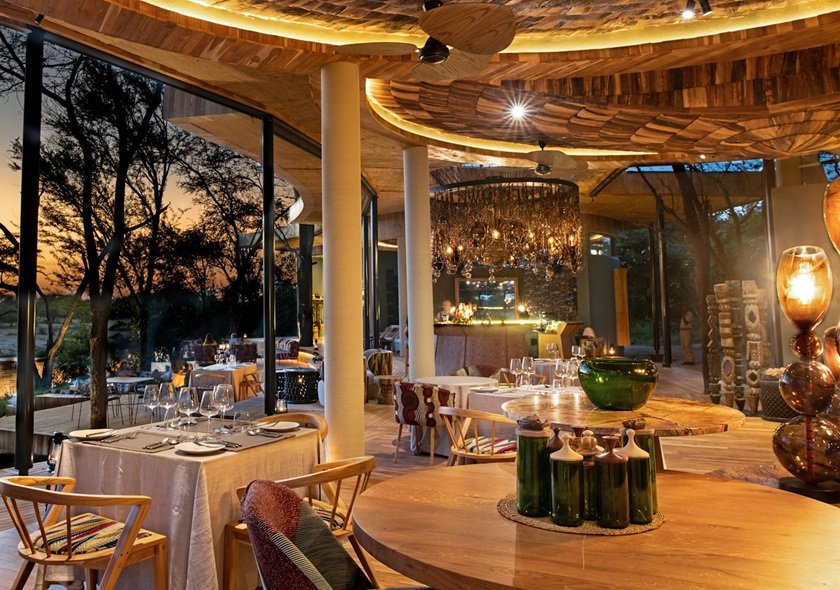
Luxury lodges and tented camps located in prime wildlife areas often feature spacious suites with stunning views, private plunge pools, gourmet dining, and dedicated staff to cater to all guests’ needs. These facilities prioritize comfort and aesthetics, ensuring that visitors enjoy a lavish experience while being immersed in nature. For instance, private air-conditioned safari vehicles are commonly provided, allowing for relaxed and flexible game drives, and experienced guides enhance the adventure with their extensive knowledge of the local fauna and flora.
The cost of luxury safaris may vary significantly based on factors such as the time of year, specific lodge or camp pricing, and the length of stay. Generally, travelers can expect to spend anywhere from $500 to over $1,500 per person per night, inclusive of accommodations, meals, and guided activities. Some high-end options may also offer unique experiences, such as hot air balloon rides over the Serengeti and private bush dining under the stars, adding further value to the overall journey.
Besides deluxe amenities, luxury safari packages often include exclusive add-ons that enhance the travel experience, such as spa treatments, guided nature walks, and community interactions that promote cultural exchange. Overall, luxury safaris are tailored for those seeking to combine adventure with comfort and indulgence, promising unforgettable memories in one of the world’s most spectacular natural settings.
Factors Influencing Safari Costs
The cost of a safari in Tanzania can vary significantly based on several key factors. Understanding these elements is crucial for travelers aiming to budget effectively for their trip. One of the most influential factors is the travel season. Generally, higher prices can be expected during peak seasons, which typically coincide with the Great Migration. During this time, accommodation and tour prices can increase dramatically due to the high demand for wildlife sightings and favorable weather conditions.
Another important aspect is the park entrance fees, which vary by the different national parks and reserves within Tanzania. Each park has its own fee structure, influencing the overall cost of the safari. Popular regions, such as the Serengeti and Ngorongoro Crater, tend to have higher fees compared to less visited areas. Hence, tourists need to consider which parks they wish to visit as part of their safari itinerary.
Accommodation types also play a significant role in safari costs. Options range from budget tented camps to luxurious lodges, each offering different levels of comfort and amenities. Budget travelers might choose basic camps, while those seeking a more comfortable experience may opt for upscale lodges, which can significantly drive up the cost per night. Additionally, meal plans offered by these accommodations may also vary, with some packages including all meals, while others necessitate additional expenses for food.
Lastly, guided experiences can affect pricing as well. Engaging a professional guide not only enriches the safari experience with their insights but also comes with additional costs. Therefore, travelers must evaluate their preferences for guided versus self-driven experiences when planning their budget, ensuring that all factors are considered for a comprehensive estimate of the total safari cost.
Tips for Budgeting Your Safari Trip
Budgeting for a safari trip in Tanzania is essential to ensure a memorable experience without overspending. One of the most effective strategies is to book your safari well in advance. This not only provides access to a wider range of options but often comes with early bird discounts that can significantly reduce costs. Furthermore, many tour operators offer enticing packages during the off-peak season, which can further enhance your savings.
Choosing the right safari package is crucial for effective budgeting. There are various types of safaris ranging from budget, mid-range, to luxury, each tailored to different needs and expectations. Assess your priorities: Do you prefer a more comfortable lodging experience or are you willing to camp to enjoy closer proximity to wildlife? By carefully evaluating your options, you can align your safari experience with your financial plan.
Another useful tip involves keeping an eye out for deals and promotions available online. Many tour companies periodically offer discounts or special packages, especially during certain times of the year. Subscribing to newsletters or following these companies on social media can ensure you’re among the first to know about any savings opportunities.
Additionally, it’s wise to create a detailed budget that encompasses not only the safari package but also additional expenses like park entrance fees, transportation to and from the park, and meals. Factor in daily expenses to avoid any surprises during your safari adventure. Having a comprehensive overview of costs will allow you to make informed decisions and perhaps even cut unnecessary expenses.
Eventually, with meticulous planning, finding the right package and taking advantage of available deals, budgeting for your Tanzanian safari can become an achievable goal rather than a daunting task. Following these guidelines can help ensure a rewarding experience while maintaining financial control.
Real-Life Examples of Safari Costs
To gain a comprehensive understanding of safari costs in Tanzania, it is beneficial to explore real-life examples that illustrate the budget, mid-range, and luxury options available to travelers.
For budget-conscious travelers, consider a basic camping safari, which may cost approximately $150 to $200 per person per day. This package typically includes shared tents, basic meals, and guided game drives in national parks such as Serengeti or Tarangire. While the accommodations might be modest, these safaris allow participants to immerse themselves in nature, with the added advantage of experiencing wildlife up close at a fraction of the luxury costs.
On the mid-range spectrum, a semi-luxury lodge experience can range from $250 to $600 per person per day. An example of this option includes staying at a safari lodge with comfortable amenities, en-suite facilities, and a few extra activities such as guided walks or cultural visits. For instance, a three-night safari package at a mid-range lodge near Ngorongoro Crater might cost around $1,800, including accommodations, meals, and guided tours. Travelers in this category can expect a balance of comfort and adventure with opportunities to view the incredible wildlife Tanzania offers.
Finally, for those seeking a luxury safari experience, costs can soar to $800 or more per person per day. High-end lodges or exclusive tented camps provide exquisite accommodations, gourmet dining, and personalized service. A common example would be a stay at a luxury tented camp within the Serengeti, where the total cost for a five-night safari could reach $5,000 per person, covering premium lodging, private game drives, and additional experiences such as hot air balloon rides over the landscape.
These real-life examples of safari costs illustrate the diverse range of options available in Tanzania, enabling travelers to make informed decisions based on their budget and desired experience.
Conclusion: Choosing the Right Safari Experience for You
In navigating the intricate landscape of Tanzania safari costs, it becomes essential to align your expectations with your financial capacity. A successful safari experience is deeply rooted in understanding what each budget tier, be it budget, mid-range, or luxury, offers and how these options correspond to your travel priorities.
Budget travelers may opt for basic accommodations and a more economical itinerary, allowing for some remarkable wildlife encounters while remaining mindful of expenses. Mid-range safaris strike a balance between comfort and cost, providing enhanced amenities and opportunities for a richer experience. On the other hand, luxury safaris cater to those seeking an unparalleled level of service, exclusive lodges, and personalized itineraries that promise an unforgettable journey.
Ultimately, the most suitable safari choice hinges on individual preferences and financial considerations. Reflecting on the experiences you wish to have, whether that is a focus on creature comforts, guided tours, or immersive adventure, will clarify your decision. Furthermore, evaluating factors such as the time of year, specific safari goals, and desired activity levels can significantly influence the overall cost and satisfaction derived from the trip.
In conclusion, the key to a fulfilling safari lies in careful planning and self-reflection. By aligning your safari type with your travel objectives and budget, you ensure a more meaningful and enjoyable experience. Whether you choose a budget-friendly option or a luxurious escape, a well-matched safari experience promises the thrill and beauty of Tanzania’s captivating wilderness.