Choosing where to stay in the Serengeti is one of the most important decisions in planning a safari in northern Tanzania. The name Serengeti often brings to mind a single immense landscape of golden grass, acacia trees and wildlife stretching towards the horizon. In practice, however, the experience changes considerably from one part of the ecosystem to another. The central plains around Seronera offer a different rhythm from the remote north near the Mara River, the wooded western corridor around the Grumeti River, or the short-grass plains of the south around Ndutu. Each area has its own character, seasonal strengths, access routes and style of safari.
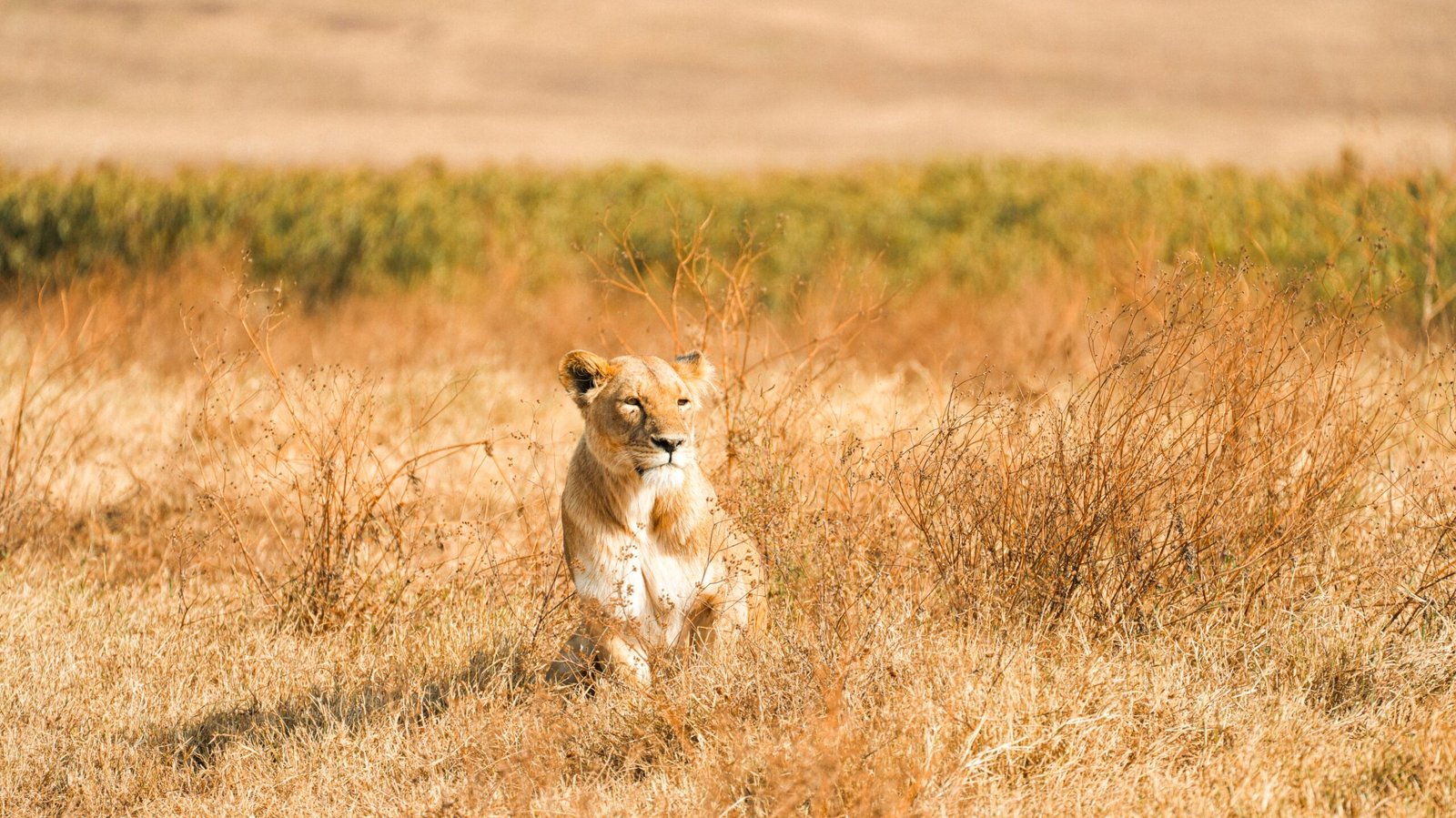
For travellers comparing camps and lodges, the most useful question is not simply which property looks attractive, but where it is located and what that location makes possible during the dates of travel. A beautiful camp can be a poor match if it requires long transfers to reach the wildlife area a visitor hopes to explore. Equally, a well-chosen base can make each morning and afternoon more rewarding by placing the safari close to the landscapes and animals that define that season. Tanzania Beauty Safaris helps guests consider these practical details before settling on an itinerary, so that accommodation, route and wildlife interests work together.
This guide explains the main Serengeti regions in clear terms, including the central, northern, western and southern areas, as well as the relationship between the Serengeti National Park and the wider ecosystem. It is intended to help first-time visitors and returning safari travellers understand the differences before choosing a camp, lodge or route. Wildlife is never guaranteed, and the Great Migration moves according to rainfall and grazing conditions rather than a fixed timetable. A thoughtful regional choice nevertheless gives a safari a stronger foundation and makes better use of the time available in this remarkable part of Tanzania.
Why Your Serengeti Accommodation Location Matters
The Serengeti is a large and varied ecosystem, not a compact park where every lodge provides access to the same daily game-drive circuit. Distances between the central area, the western corridor and the far north can be substantial, and the character of the terrain changes along the way. Open short-grass plains, rolling savannah, rocky kopjes, riverine woodland and seasonal watercourses each support different patterns of wildlife activity. Where you sleep determines which landscapes are close at first light, how much time is spent driving between areas, and whether the day is shaped around resident wildlife or a seasonal event such as the wildebeest calving period or movement towards the northern rivers.
This matters particularly because game drives are most productive when they begin near the area a traveller has come to experience. Guests staying in the Seronera area can usually devote more of the day to exploring central wildlife territories rather than transferring from a distant region. A camp in the north can make sense for visitors whose priority is to spend several days around the Mara River landscape, while a southern base is more appropriate when the herds are using the Ndutu and southern plains. A western stay may suit travellers who want to explore the Grumeti River environment and the broader western corridor. These are not interchangeable locations, even though they are all associated with the Serengeti ecosystem.
Accommodation location also affects the practical shape of a safari. Road journeys between regions can take several hours and may include wildlife viewing along the way, but they still use time that could otherwise be spent on dedicated game drives. Fly-in travel can reduce some transfers, although flights operate to particular airstrips and the final journey to a camp may still involve a road transfer. The nearest airstrip, park access arrangements, seasonal road conditions and the position of a camp in relation to park boundaries should therefore be considered together. Travellers should ask for the actual location of a property rather than relying only on a broad label such as “Serengeti lodge”.
The wider ecosystem adds another important distinction. Some well-known safari areas, especially Ndutu, sit around the boundary between Serengeti National Park and the Ngorongoro Conservation Area. They are part of the same connected wildlife landscape, but not every camp described as being in the Serengeti is necessarily inside the national park itself. This distinction can affect park fees, access arrangements and the way an itinerary is structured. Before confirming accommodation, it is sensible to clarify the exact location and the conservation area under which the camp operates. The official Tanzania National Parks information for Serengeti and the UNESCO World Heritage description provide useful background on the park and its wider ecological importance.
For these reasons, choosing accommodation should be part of route planning rather than a separate booking decision. The best base is the one that fits the travel month, the number of nights available, the wildlife interests of the group and the preferred way of travelling. A carefully planned stay does not promise a particular sighting, but it can reduce unnecessary transfers and give guests more time in the right habitat. This is the principle Tanzania Beauty Safaris uses when discussing Serengeti accommodation and itinerary options with travellers.
Central Serengeti: A Versatile Base for a First Safari
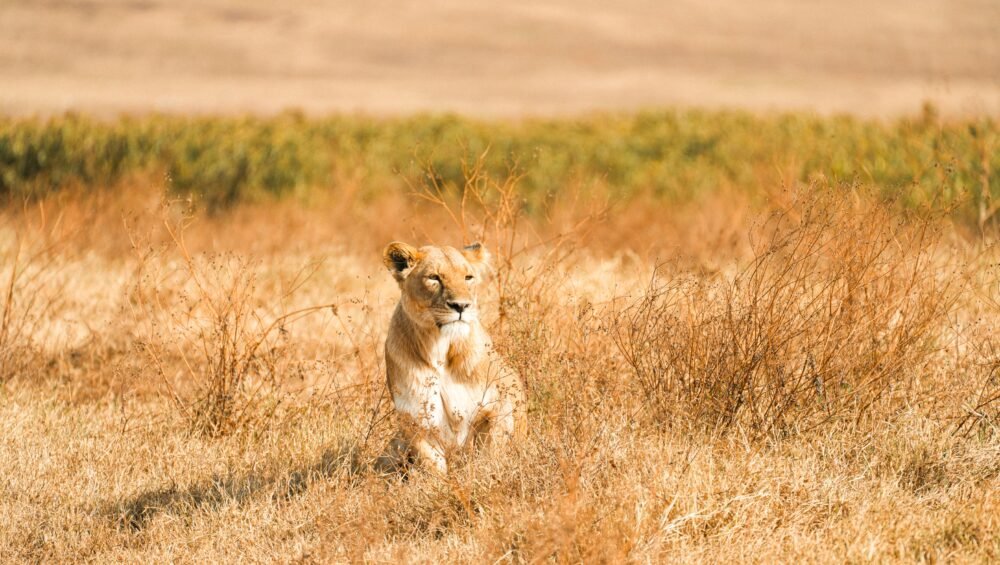
Central Serengeti, particularly the area around Seronera Valley, is often the most straightforward choice for visitors experiencing the park for the first time. It combines open plains with riverine habitat, scattered rocky outcrops and areas of woodland, creating a varied setting for game drives. The Seronera River system is an important feature of the landscape, and the mix of habitats supports resident wildlife through much of the year. Lions, leopards, cheetahs, hyenas, elephants, giraffes, buffalo and a wide range of plains animals may be encountered here. The presence of resident wildlife means that a central stay does not depend entirely on being in the path of the Great Migration.
Seronera is particularly appealing to travellers who want a balanced introduction to the Serengeti. A morning drive may follow a river line where animals come to drink or rest in shade, while an afternoon route may cross open grassland or pass rocky kopjes where predators sometimes use elevated ground as resting or lookout places. Leopards are associated with the riverine trees in parts of the central region, although sightings always depend on chance, patience and the skill of the guide. Lions are often seen in the wider central landscape, but their movements and visibility vary from day to day. The appeal of the area lies in the range of habitats and the opportunity to explore different wildlife territories without relocating camp each night.
Another advantage is access. Seronera Airstrip makes the central region a practical option for fly-in safaris, while road itineraries commonly reach the area from the Ngorongoro side through the eastern approaches. This flexibility can be valuable for travellers with a limited number of days, families who prefer to avoid repeated long transfers, or visitors combining the Serengeti with other northern circuit destinations. A central base can also work well as part of a longer route, with nights in another region added when the season and travel interests justify the move. It is usually more satisfying to explore central Serengeti properly than to attempt to cover several distant regions in a rushed stay.
Central Serengeti is not simply a compromise for people who cannot decide where to go. It has its own wildlife character and can reward a stay in different seasons. Herds of wildebeest and zebra move through the central ecosystem at various points in their annual cycle, while resident species remain an important part of the experience. The area can therefore provide a strong safari even when the main migration concentrations are elsewhere. Travellers whose principal aim is a specific migration event should still match their dates to the appropriate region, but those seeking varied wildlife viewing and classic Serengeti scenery often find the centre a dependable starting point.
When comparing central camps and lodges, look beyond the property name and ask how far it is from the game-drive areas you hope to visit. Some accommodation is closer to Seronera and its airstrip, while other properties are positioned further out in quieter sections of the central landscape. The difference can influence transfer time, the flexibility of early starts and the routes available during the day. For many first-time visitors, three nights in the central region provides a more relaxed introduction than trying to combine the centre with far northern or western areas in a very short itinerary. Tanzania Beauty Safaris can help match the number of nights and camp location to the pace and priorities of the trip.
Northern Serengeti: Remote Landscapes and the Mara River
Northern Serengeti offers a different atmosphere from the busier central routes. The landscape becomes more varied, with rolling hills, rocky outcrops, open grassland and riverine vegetation, and the Mara River forms one of the region’s defining natural features. This is the area many travellers consider when they hope to follow the Great Migration during its northern movement. Wildebeest and zebra may gather near riverbanks as they move between grazing areas, and the river’s crocodiles and strong currents form part of the natural challenge that makes a crossing such a dramatic event. The region is also home to resident wildlife, including elephants, giraffes, buffalo and predators, so its appeal is not limited to migration season.
The northern region is especially associated with the months when herds move through the northern Serengeti and towards the Maasai Mara ecosystem in Kenya. July to October is often used as a broad planning window for migration-focused visits, but the exact timing and location of the herds vary from year to year. Rainfall, the condition of grazing and the animals’ movements influence where concentrations develop. A river crossing cannot be booked to a precise date or guaranteed by a lodge or safari operator. Visitors who choose the north should ideally allow several nights in the area, giving their guide time to explore different sections of the river and nearby plains rather than relying on a single drive.
Kogatende is one of the best-known access areas for northern Serengeti safaris, with an airstrip that supports fly-in travel and a number of camps positioned to explore the surrounding region. Other northern locations offer different combinations of woodland, hills and access to wildlife routes. The word “north” can cover a wide area, so travellers should ask where a proposed camp sits in relation to the Mara River and the specific game-drive areas they intend to visit. A property may be described as northern Serengeti accommodation while still requiring a meaningful drive to reach a particular crossing point. Understanding the camp’s position is more useful than relying on a general regional label.
A northern stay usually suits visitors who have enough time to reach the area without turning the journey into a tiring rush. Road transfers from central Serengeti can take a considerable part of the day, although wildlife viewing along the route can make the journey part of the safari. Flying to a northern airstrip can shorten the transfer, but flight schedules, baggage limits and camp transfers need to be confirmed for the chosen dates. Travellers combining the north with central Serengeti should plan the order of the route carefully and allow enough nights in each region to make the change worthwhile.
For guests whose main interest is the Mara River migration, the north can be an excellent choice when the season is appropriate. For those visiting outside the main migration period, the region can still offer beautiful scenery, a sense of space and resident wildlife, but the decision should be based on more than the hope of seeing a crossing. Tanzania Beauty Safaris can help compare northern accommodation with central or western alternatives, taking account of travel dates, transfer time and the kind of safari experience the traveller values most.
Western Serengeti: The Grumeti River and a Different Safari Landscape
The Western Corridor stretches through a landscape shaped by open grassland, wooded areas and the Grumeti River system. It is less often the first region mentioned by travellers planning a Serengeti safari, yet it offers a distinctive experience for visitors who want to understand more of the ecosystem than the central plains alone. The river and its surrounding vegetation create habitat for hippos, crocodiles and a variety of birds, while the nearby plains and woodland support wildebeest, zebra, giraffe, elephant, buffalo and predators. The transition between open country and riverine habitat gives game drives a different visual character from those around Seronera.
The western region is also associated with the migration’s movement towards the Grumeti River, often during the period around May, June and into the drier months, depending on seasonal conditions. The river can become a focal point for herds moving westward, and crocodiles are part of its natural wildlife community. As in the north, however, migration activity is not a scheduled performance. Herds may spread across a broad area, pause before moving, or follow a route that changes with local rainfall and grazing. A stay in the Western Corridor is best planned with realistic expectations and enough time to explore the region rather than assuming a crossing will take place in front of a particular camp.
Accommodation in the west can appeal to travellers looking for a quieter or more specialised route, especially when the migration’s seasonal movement makes the corridor relevant. Camps vary in their exact positions, and this affects access to the river, the plains and the wider western landscape. Before choosing a property, ask which section of the corridor it serves, how far it is from the nearest airstrip, and whether the proposed itinerary includes enough time for game drives in the area. Some itineraries use the west as a dedicated stay, while others combine it with central Serengeti or another northern circuit destination. The right arrangement depends on the number of nights available and the traveller’s interest in migration, scenery and wildlife.
For visitors travelling by road, reaching the Western Corridor from central Serengeti involves a substantial journey across the park. The transfer can provide opportunities to see changing scenery and wildlife, but it should be treated as a travel day with game viewing along the way rather than a full day spent in one compact area. Fly-in options may be possible for selected camps, although the nearest airstrip and transfer arrangements must be checked for the actual accommodation. This is one reason that the exact camp location matters: two properties described as being in the west may offer different access to the river and different practical connections to other regions.
The Western Corridor is a rewarding choice for travellers who value varied habitats, riverine wildlife and a route that follows a less familiar part of the Serengeti. It may be particularly appealing to repeat visitors or those planning a longer safari who want to experience more than one region. It is not automatically the best option for every month, and it should not be selected solely because the Grumeti River is mentioned in a migration itinerary. Tanzania Beauty Safaris can assess whether a western stay adds meaningful value to the journey or whether the available nights would be better spent in central or northern Serengeti.
Southern Serengeti and Ndutu: Open Plains and the Calving Season
The southern Serengeti is known for its expansive short-grass plains, wide horizons and seasonal concentrations of wildebeest and zebra. During the calving period, often centred on January and February, large numbers of wildebeest gather across the southern plains and the neighbouring Ndutu area. The open landscape provides grazing for the herds and makes it possible to observe animals over considerable distances. Newborn calves, protective mothers and the movement of large herds create a very different safari atmosphere from the river-focused experience of the north. Predators such as lions, cheetahs, hyenas and jackals are also part of this environment, drawn by the availability of prey.
Ndutu is a particularly important name in southern safari planning, but it is useful to understand its geography. The Ndutu area lies around the boundary of Serengeti National Park and the Ngorongoro Conservation Area, and camps in the wider region are not all located under the same park administration. The surrounding ecosystem is connected, allowing wildlife to move across the landscape, but the exact location of accommodation matters for fees, access and daily routing. Travellers should ask whether a camp is inside Serengeti National Park, within the Ngorongoro Conservation Area, or in another nearby area, and should make sure the itinerary reflects that location accurately.
For a calving-season safari, the southern region can offer rewarding opportunities to watch the herds and the predators that follow them. The timing is influenced by rainfall and the availability of fresh grass, so the densest concentrations do not appear on an identical schedule every year. January to March is a useful broad period for planning, with February often associated with the height of calving activity, but travellers should avoid treating any single date as a guarantee. The wider southern Serengeti and Ndutu landscape is also attractive for photography, with green-season grass, dramatic skies and broad views across the plains. Birdlife can be particularly varied when seasonal conditions bring water and fresh growth.
Accommodation in this region often includes seasonal tented camps as well as permanent lodges and camps in surrounding areas. Some properties operate seasonally to position guests close to changing wildlife concentrations, while others provide a more fixed base. When comparing options, ask how close the camp is to the likely game-drive areas for the travel dates, whether it is open during the intended season, and how road or air access works. The best location can shift as the herds move, and a camp’s advertised regional name does not always reveal the distance to the plains a guest hopes to explore.
Southern Serengeti and Ndutu are especially suitable for travellers whose main interest is the calving season, open landscapes and predator-prey interactions. They can also form part of a broader northern Tanzania itinerary that includes the Ngorongoro Crater or central Serengeti, provided there are enough nights to make the route comfortable. Visitors who are not travelling during the calving period may prefer a different region, depending on their wildlife priorities and dates. Tanzania Beauty Safaris can help decide whether the southern plains should be the main base or one part of a wider seasonal safari.
How to Choose the Right Serengeti Region for Your Travel Dates
The most reliable way to choose a Serengeti region is to begin with the month of travel and the experience that matters most to you. If this is a first visit and you want a varied introduction to the park, central Serengeti is often a sensible starting point because resident wildlife and a range of habitats make it rewarding beyond the movement of the migration. If you are travelling during the broad calving-season period and want to spend time around newborn wildebeest and the southern herds, consider southern Serengeti and Ndutu. If your priority is the northern migration and the possibility of river crossings, look at the northern region and allow enough nights to explore the Mara River area. If you are interested in the Grumeti River and the western movement of the herds, consider a western stay when seasonal conditions support that route.
These seasonal descriptions are planning guides rather than fixed promises. The Great Migration is a natural movement across a large ecosystem, and the herds respond to rainfall and grazing. Their location can vary between years and even within a single month. A responsible itinerary should explain that uncertainty honestly. Travellers should be wary of claims that a particular camp guarantees a river crossing or that a specific herd location can be promised months in advance. A knowledgeable guide can adapt the daily route to current conditions, but no operator controls the timing of wildlife movement. The best planning combines up-to-date local information with enough flexibility to respond when conditions change.
The number of nights available is just as important as the season. With two or three nights, it is usually better to choose one main region and explore it properly rather than trying to cover the central, western and northern parts of the park in quick succession. Four or five nights may allow a more considered combination of two regions, depending on transfer times and whether the route is by road or air. Longer journeys can include several areas, but each change of camp should have a clear purpose. A multi-region itinerary is most rewarding when it allows time for meaningful game drives in each location rather than simply collecting place names.
Transport also shapes the decision. Road safaris allow guests to experience the landscape between regions and can include wildlife viewing en route, but the distances are significant. Fly-in safaris can be useful when time is limited or when a camp is remote, although airstrips, flight schedules, baggage restrictions and onward transfers need to be checked before the itinerary is confirmed. The nearest airstrip is not necessarily beside the camp, and the transfer from the airstrip may itself become a game drive. Travellers should compare the total journey, not just the flight time or the distance shown on a map.
Finally, match the accommodation style to the purpose of the trip. A permanent lodge may suit guests who value established facilities and a fixed base, while a seasonal tented camp may be attractive when it is positioned close to a particular wildlife area at the right time of year. Families may prioritise practical room arrangements and manageable transfer times; photographers may value a camp that allows early starts and flexible time in the field; couples may prefer a quieter setting. There is no single best Serengeti region for everyone. Tanzania Beauty Safaris can help compare the location, season, travel time and accommodation style so that the final choice reflects the traveller’s actual priorities.
Planning Your Stay with Tanzania Beauty Safaris
A well-planned Serengeti stay begins with a conversation about what you hope to experience. Some visitors arrive with a clear goal, such as seeing the northern migration, spending time in the central big-cat habitats or travelling during the southern calving season. Others are more flexible and want a balanced safari that combines good wildlife viewing with comfortable travel days. These are different starting points, and the itinerary should reflect them. Tanzania Beauty Safaris can help translate travel dates, available nights, arrival arrangements and personal interests into a route that makes sense across the Serengeti and the wider northern circuit.
When requesting an itinerary, it is helpful to share your intended travel month, the number of nights you can spend in the Serengeti, whether you prefer road or fly-in travel, and the type of accommodation you have in mind. If you are travelling with children, have particular mobility needs or are planning a photography-focused safari, those details should also be discussed before camps are selected. A clear plan should show where each overnight stay is located, how the group will travel between regions, which airstrip or road route is relevant, and how much time is available for game drives. This makes it easier to understand the experience before committing to the arrangements.
It is also worth asking practical questions about the camp itself. Confirm whether it is permanent or seasonal, whether it is open on your dates, what room or tent category is included, how meals are arranged, and whether transfers between the airstrip and camp are part of the quotation. For camps near conservation-area boundaries, clarify the exact location and which park or conservation fees apply. These details are not glamorous, but they have a direct effect on the comfort and organisation of the trip. A transparent itinerary should make them easy to understand rather than leaving important arrangements unclear.
For further planning, you can explore the existing Serengeti Migration Safari Guide for a seasonal overview, read the guide to the best time for a Tanzania safari, or visit the Serengeti National Park safari page to explore available trip ideas. These resources address different parts of the planning process and can be read together when comparing routes and travel seasons.
The Serengeti rewards travellers who give thought to where they stay, not only how many nights they book. Central Serengeti offers a versatile introduction, the north provides access to the Mara River landscape, the west reveals the Grumeti riverine environment, and the southern plains become especially important during the calving season. Choosing between them is a matter of matching geography with timing, interests and realistic travel arrangements. If you are planning a safari in Tanzania and would like help choosing the right Serengeti region, contact Tanzania Beauty Safaris to discuss your dates and the experience you would like to have.