Gazelle crossing a dirt track with a safari vehicle in the background in Tanzania

Tanzania Safari Photography: Camera Gear, Light and Wildlife Etiquette

A Tanzania safari offers photographers a constantly changing subject. Wildlife may appear in open grassland, shaded woodland, river channels or dust-filled tracks, and the vehicle rarely stops on perfectly level ground. The best photographs often come from being ready, understanding the light and accepting that animals do not follow a schedule. A useful camera kit is one that can be handled quickly, protected from dust and used comfortably through a full day in the field.

A photography-focused safari is not simply a standard itinerary with a longer lens. It benefits from realistic drive times, room for waiting, a guide who understands photographic positioning and a vehicle arrangement that suits the number of people carrying equipment. Tanzania Beauty Safaris can help plan those details while keeping wildlife welfare and park regulations at the centre of the experience.
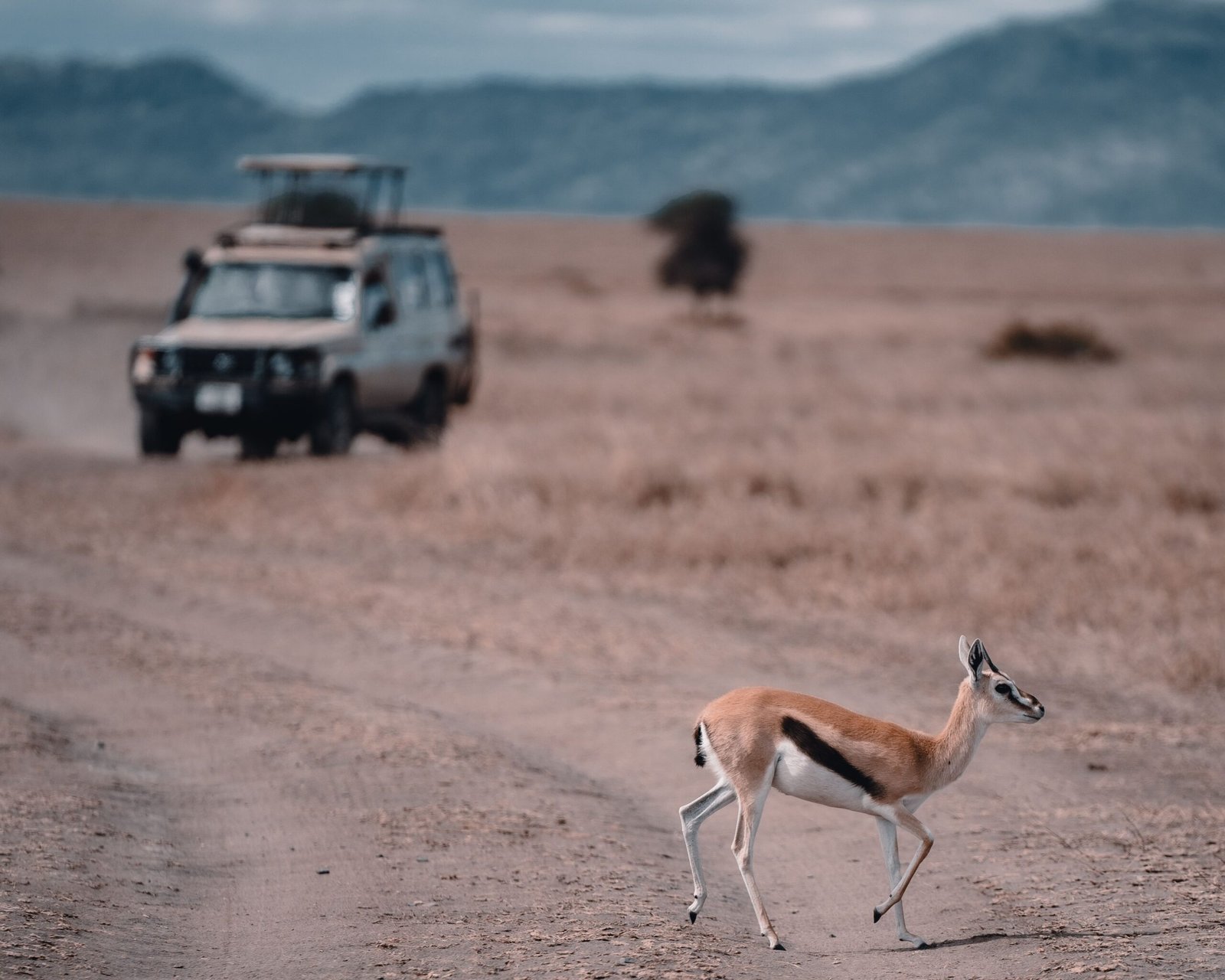
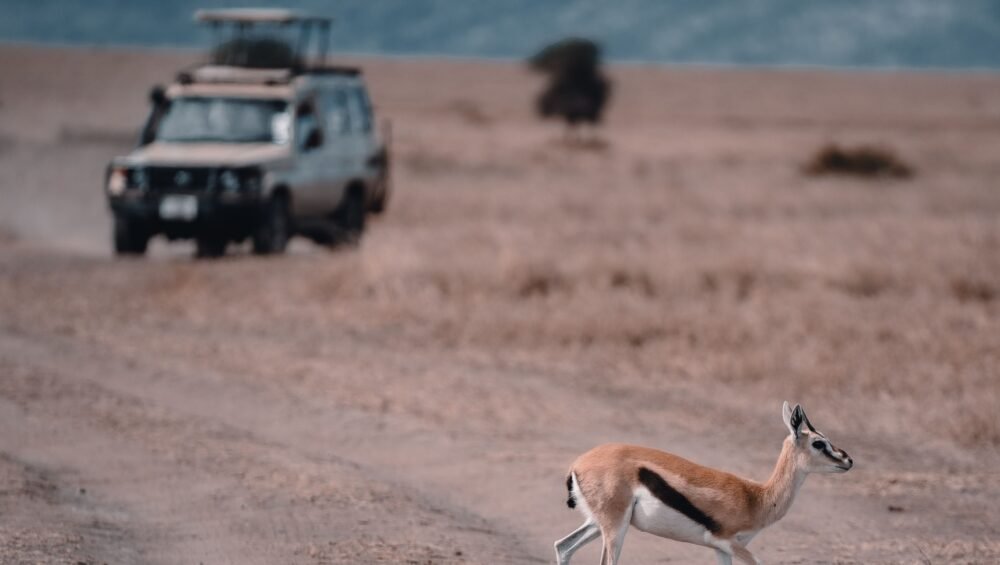
Gazelle crossing a dirt track with a safari vehicle in the background in Tanzania
Gazelle in the Tanzanian savanna. Photo by Louw Lemmer on Pexels (free Pexels licence; credit included).

Choosing camera equipment for a moving safari vehicle

The most useful camera equipment is the kit you can operate without hesitation. A telephoto zoom gives flexibility when animals are at a distance, while a shorter zoom is valuable for landscapes, elephants close to the vehicle and scenes that include the surrounding habitat. A single camera body with a dependable zoom can be more practical than changing lenses repeatedly in a dusty vehicle. Travellers who use two bodies may keep one fitted with a long lens and the other with a wider lens, reducing the need to swap equipment while wildlife is moving. The right focal length depends on the subject, the vehicle’s position and the photographer’s experience, not on a single recommended number.

Support is important because safari vehicles move and may not provide a stable surface. A beanbag placed on the window frame or vehicle rail can help steady a long lens, while a monopod may be useful in some vehicle layouts if the operator allows it. A full tripod is often awkward inside a vehicle and can obstruct other guests. Before travelling, ask whether the vehicle has open sides, sliding windows, roof hatches or enough room for camera bags. If you are sharing a vehicle, clarify how much space is available and whether every passenger will have access to a suitable shooting position. A private vehicle offers more flexibility, but it still needs sensible equipment storage and a guide who can position it safely.

Dust protection deserves as much attention as lenses. Fine dust can enter bags and settle on sensors, filters and focusing rings. Use a camera bag that closes securely, keep spare lenses capped and avoid changing lenses while the vehicle is moving or in a dusty convoy. A blower, microfibre cloths, spare batteries, memory cards and a simple dry bag can prevent small problems from interrupting a day. Back up images regularly, ideally to two separate storage devices, and keep batteries charged at camp. On longer safaris, charging options can vary between lodges and mobile camps, so check the power arrangements before departure. A compact, organised kit is easier to use than an oversized collection of equipment that stays packed away.

Working with light, dust and changing wildlife behaviour

Light changes quickly on the savanna. Early morning can bring cool tones and long shadows, while the sun becomes stronger and more contrasty as the day progresses. Late afternoon often gives softer light, but dust in the air can affect contrast and colour. Photographers should learn to adjust exposure as conditions change rather than relying on one setting for every subject. A dark animal against pale grass may need different exposure from a white bird in bright sunlight. Continuous autofocus and a fast shutter can help with moving wildlife, but the appropriate settings depend on the lens, camera and distance. It is better to practise before the trip than to spend the first game drive learning basic controls.

The environment also influences the kind of image that is possible. A lion in open shade may be easier to photograph than one in tall grass, while an elephant walking through dust may create a strong atmospheric frame but make fine detail harder to capture. Heat shimmer can distort distant subjects, especially later in the day, so a closer opportunity may produce a clearer result than a long lens at maximum reach. Rain and overcast skies can be useful for even light and richer colours, but they may also reduce visibility. A guide who knows the area can help anticipate where animals may move, although no one can control the behaviour of wild animals or guarantee a particular scene.

Good wildlife photography often depends on patience and restraint. Stay with the vehicle and follow the guide’s instructions when positioning for a photograph. Do not ask the driver to block an animal’s path, move too close or leave a designated track. Avoid shouting, clapping or making sounds to attract an animal’s attention. If several vehicles are gathered around a sighting, consider waiting or moving away rather than adding pressure. The best position is not always the closest one; an angle that leaves space around an animal can produce a stronger photograph and a less intrusive encounter. A photography safari should improve the time available for observation, not encourage behaviour that changes the animal’s natural response.

Photographing responsibly and planning a photography-focused safari

Before the trip, discuss the type of photography that matters most. A traveller interested in birds may need longer stops and a guide who can identify calls, while a landscape photographer may prefer a route that includes viewpoints, open plains and time around sunrise or sunset. A family sharing a vehicle may want a balanced programme rather than long waits at every sighting. If photography is the main purpose, a private vehicle can make it easier to adjust the pace and position, but the itinerary should still respect park rules and the guide’s judgement. Ask about the number of passengers, seating, roof access, charging points, dust protection and whether a beanbag can be used safely.

Photographing people requires consent. This applies in villages, markets, cultural visits and roadside encounters. Ask before making a portrait and explain if the image may be used commercially or published online. Consent to a photograph does not automatically mean consent to a video, a social-media post or advertising use. In community visits, follow the local guide’s instructions and accept a refusal without argument. A respectful approach protects the dignity of the people being photographed and helps keep cultural visits based on mutual understanding rather than on the visitor’s image collection.

Drones need particular attention. Tanzania’s Civil Aviation Authority states that non-residents bringing drones must arrange an import permit, register the drone and operator, and obtain an operations permit; its published procedure says applications should be made at least three weeks before arrival. National parks may also require additional authority approval, and a general aviation permit should not be treated as permission to fly anywhere. Travellers should check current rules with the TCAA and the relevant park authority before packing a drone. For most safari photographers, a well-planned ground-based kit is the reliable option. Tanzania Beauty Safaris can help organise vehicle space, camp charging and a realistic photography route, while any special filming or drone activity must be arranged separately and approved by the relevant authorities.

The strongest Tanzania safari photographs come from preparation, patience and respect for the wildlife and people in front of the lens. Choose equipment you can handle in a moving vehicle, plan enough time for observation and check all special permissions before travel. Contact Tanzania Beauty Safaris if you would like a private itinerary designed around wildlife photography.

Planning a photography-focused safari itinerary

The route and length of a photography safari can matter as much as the camera itself. Wildlife photography often involves waiting for light, animal behaviour or a clear background, so a schedule with several long transfers may leave too little time in the field. Consider staying multiple nights in a region rather than changing camps every day. In the Serengeti, the best base depends on the month and the wildlife interest: central areas offer varied resident wildlife, while northern or southern locations may be more relevant to seasonal migration. A knowledgeable guide can adapt the day’s route, but the itinerary should allow enough time to respond when an interesting sighting develops.

Vehicle arrangements should be discussed before confirming the booking. Ask whether the safari is private, how many passengers share the vehicle, whether window and roof access are available and whether there is room for camera bags and support equipment. A private vehicle gives greater control over positioning and time at sightings, although the guide must still follow park rules and keep a respectful distance from wildlife. If travelling with other photographers, agree on expectations about stops, lens changes and sharing viewing positions. A beanbag or compact support can be useful, but large tripods may be impractical in a moving safari vehicle and should be discussed with the operator.

For destination planning alongside photography, explore our guide to choosing a Serengeti region and the Serengeti migration guide.

Think about the type of images you want before selecting accommodation. A camp close to open plains may suit wide wildlife scenes and sunrise photography, while a riverine location can provide opportunities for birds and animals coming to water. These are possibilities, not guarantees, and animal activity changes with season and weather. Ask about the camp’s location relative to the areas you hope to photograph, the likely drive time and whether early departures are possible. It is also worth checking charging access, battery arrangements and whether power is available throughout the day. A practical itinerary protects time for photography while leaving room to enjoy the wider safari rather than turning every sighting into a technical exercise.
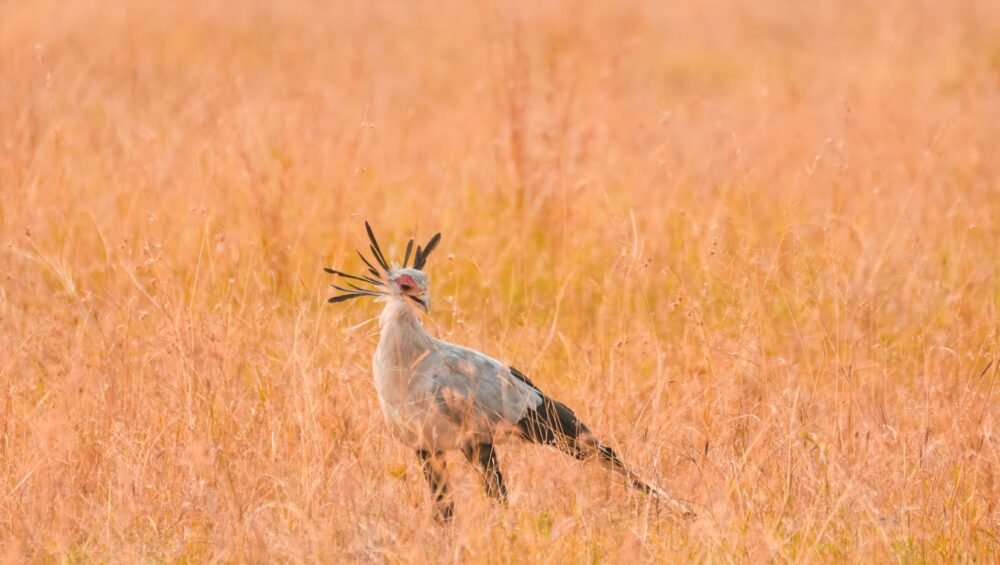
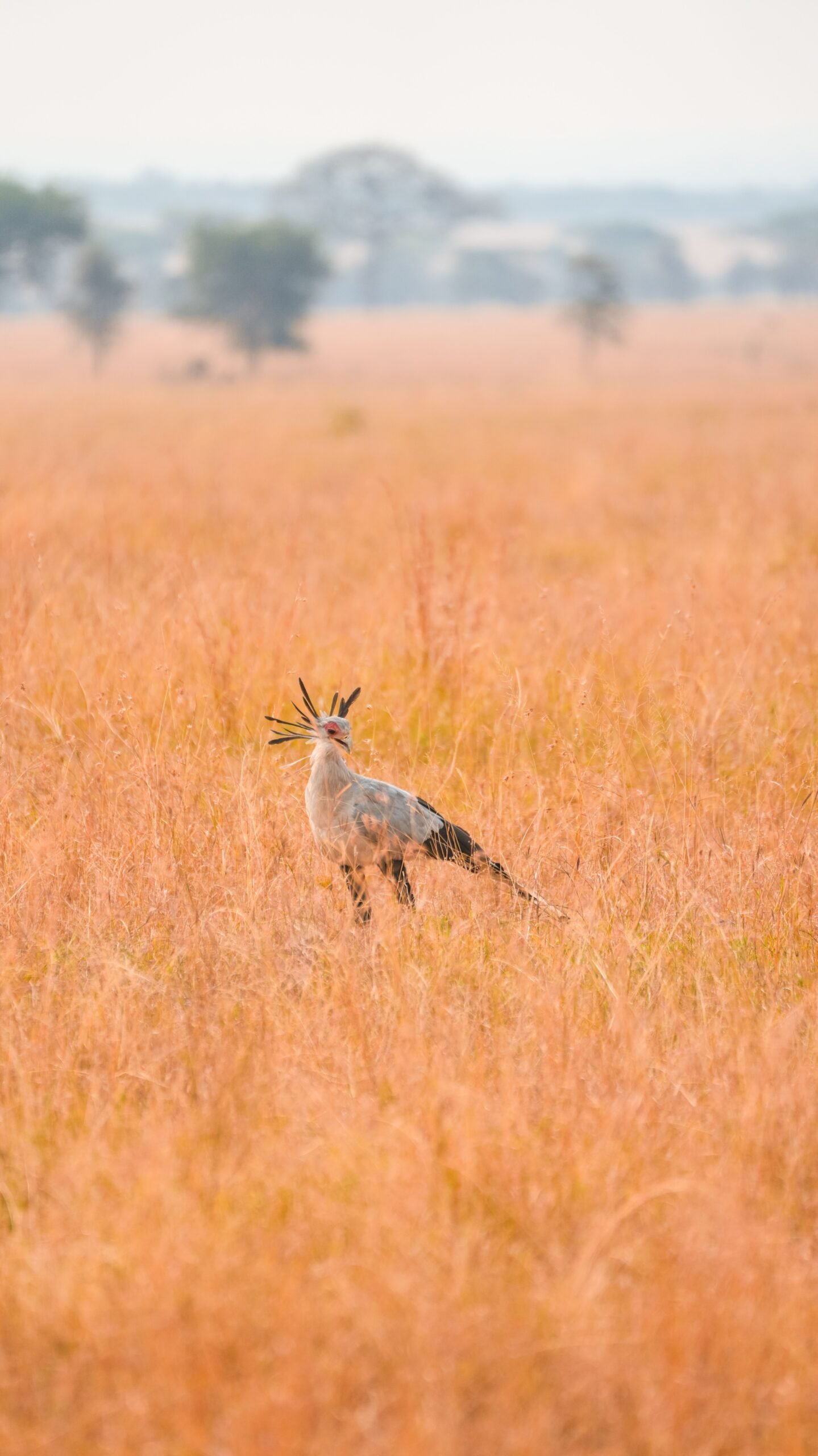
Secretary bird standing in golden savanna grass in Tanzania

Birdwatching Safari in Tanzania: Best Parks, Birds and Seasons

Tanzania is often introduced through its large mammals, but the country’s birdlife is just as varied. A single safari can move from open savanna and river woodland to alkaline lakes, montane forest and coastal habitats, each supporting a different community of birds. The African Bird Club lists approximately 1,130 recorded species for Tanzania, including a number of restricted-range birds that make the country especially interesting to experienced birders.

A birdwatching safari needs a different rhythm from a conventional wildlife itinerary. It allows time for quiet observation, listening for calls, checking identification and visiting habitats that may not be part of a standard northern circuit. Tanzania Beauty Safaris can adapt a route for travellers who want to combine birding with the country’s best-known parks, or focus more deeply on specialist forest and wetland sites.

Secretary bird standing in golden savanna grass in Tanzania
Secretary bird in Tanzania. Photo by Alex Ning on Pexels (free Pexels licence; credit included).

Why Tanzania rewards birdwatchers across different habitats

Tanzania’s bird diversity is closely connected to the country’s geography. The northern safari circuit includes open grasslands, acacia woodland, riverine vegetation, swamps and alkaline lakes. Farther south, miombo woodland and broad river systems create different conditions, while the Eastern Arc mountains hold moist forests with birds that may occur in very restricted ranges. The coast and islands add mangroves, tidal flats and coastal forest. This variety is why a birdwatching trip should be planned around habitat rather than a simple list of famous parks. A traveller who spends all their time in open savanna may record many conspicuous species but miss the forest birds that make Tanzania’s avifauna particularly distinctive.

The African Bird Club’s country account records roughly 1,130 species and identifies a wide range of Important Bird Areas and endemic or near-endemic birds. The Eastern Arc ranges, including the Usambara, Uluguru and Udzungwa mountains, are especially important for restricted-range forest species. These birds are not always easy to see. Dense vegetation, low light and high canopies mean that birding often involves listening for calls and waiting for a brief movement through the leaves. A specialist forest guide can make a significant difference because knowledge of calls, feeding flocks and seasonal activity is often more useful than simply driving to a viewpoint.

The savanna parks provide a different kind of birding. Raptors can be seen using thermals over open country, ground birds move through short grass, and species such as rollers, bee-eaters, hornbills and weavers add colour to ordinary game drives. Wetlands and soda lakes attract waterbirds, including flamingos when water levels and food conditions are favourable. Lake Natron, Lake Manyara and the Momella Lakes in Arusha National Park can all be interesting, but bird numbers change with the season and the condition of each lake. A good itinerary makes room for both planned birding stops and the unexpected sightings that happen when a guide is willing to pause and identify what has appeared beside the road.

Choosing birding areas: savanna parks, lakes and forest reserves

For travellers who want birdwatching within a classic northern safari, Tarangire is a strong starting point. Its river, seasonal swamps, baobab woodland and open grassland create a varied habitat mosaic, and the park can be productive for raptors, hornbills, starlings, weavers and other savanna species. Serengeti adds open plains, kopjes and riverine woodland, with a large range of resident birds as well as migrants. Lake Manyara offers a compact sequence of groundwater forest, woodland, grassland and lakeshore, making it useful for travellers who want to see several habitats without moving between distant parks. Arusha National Park is another accessible option, with forest, crater scenery and the Momella Lakes.

Waterbird specialists may want to include Lake Natron or other alkaline lakes, but they should avoid assuming that flamingos will be concentrated at one viewing point. Water depth, algae availability and seasonal conditions affect where birds feed and gather. A shallow lake can change dramatically after rain, and a location that was productive on one visit may be quiet on another. Guides who know the area can adjust the route according to recent conditions. For travellers interested in a broader species list, Nyerere’s rivers and wetlands add a southern perspective, with kingfishers, herons, storks, fish eagles and other water-associated birds among the possibilities.

Forest birding is a separate undertaking. Udzungwa, the Usambara Mountains and the Uluguru ranges are known for Eastern Arc habitats and restricted-range species, but they require more time on foot and a guide familiar with forest birds. These destinations do not fit neatly into a short northern circuit. Travellers may need additional road transfers, specialist local guides and accommodation near the relevant forest. It is better to plan a focused forest extension than to add a mountain forest as a rushed detour between two distant parks. Tanzania Beauty Safaris can help combine a conventional wildlife safari with a dedicated birding extension, provided the number of days allows enough time in each habitat.

When to go and how to plan a birdwatching safari

The best travel period depends on the species and habitats that matter most. November to April is often a productive time for birders because migratory species from Europe and Asia are present alongside resident birds, and many local species are calling, displaying or breeding. The landscape is also greener, which can make photography attractive. The trade-off is that thicker vegetation can make some birds harder to locate, and rain may affect road conditions in certain areas. The wet season is not identical across all parts of Tanzania, so the precise route should be considered before choosing dates. A birding itinerary focused on forest species may have different priorities from one centred on lakes and savanna.

The dry months can be easier for road travel and general wildlife viewing. As seasonal water sources shrink, some waterbirds concentrate around dependable pools and rivers. In open habitats, thinner vegetation may improve visibility, although forest birds can be less vocal and more difficult to find. Travellers who want to combine birdwatching with the Great Migration or a Big Five safari should be clear about which experience takes priority. It is possible to do both, but the daily schedule must leave time for slower bird observation rather than rushing from one mammal sighting to another.

Good equipment is simple. Each traveller should have binoculars that are comfortable to use for long periods, a field guide or reliable identification app, a notebook or digital checklist and sun protection. A spotting scope can be useful for distant waterbirds on open lakes or floodplains, while a camera is optional rather than essential. A specialist guide should know both the birds and the practical limits of the route, including where it is appropriate to stop, when walking is permitted and how to avoid disturbing nesting sites. Before booking, share a target list if you have one, explain whether you prefer photography or identification, and ask how much time the itinerary allows for birding. Tanzania Beauty Safaris can then plan a route that balances the species you hope to find with realistic distances and suitable accommodation.

A Tanzania birdwatching safari can be built around a short northern circuit or a longer journey that reaches the country’s forests, wetlands and coast. The best route depends on the birds and habitats you want to experience. Contact Tanzania Beauty Safaris with your travel dates and birding interests to plan a safari with enough time for careful observation.

Bird habitats and seasonal changes across Tanzania

Birdwatching in Tanzania is shaped by the variety of habitats rather than by one single park. Wetlands, alkaline lakes, river margins, montane forest, miombo woodland and open savanna each support different bird communities. A lake shore may attract waders and waterbirds when water levels and food supplies are favourable, while nearby acacia scrub can hold smaller insect-eating species. Forest birding often requires patience and careful listening because many species remain in the canopy or move through dense vegetation. In open grassland, scanning distant perches and watching changes in flock behaviour can be more productive than walking continuously.

Season also influences what visitors are likely to encounter. Resident birds can be seen throughout the year, although breeding activity, plumage and visibility change. The arrival of Palearctic migrants during the northern winter adds another dimension to Tanzania’s birdlife, with many species using wetlands, grasslands and woodland for feeding or resting. Rainfall affects water depth, vegetation and the distribution of insects, so a site that is excellent in one month may look quite different later in the year. Birders should therefore share their travel dates and target species with the guide rather than relying on a generic promise of a particular list.

For more birding ideas, see our guides to Lake Natron and its flamingos, Arusha National Park and Udzungwa’s forest habitats.

For a mixed-interest safari, birding can be combined with conventional wildlife viewing. Early mornings are often productive because birds are active and temperatures are cooler; a relaxed afternoon near a lodge, river or lake can provide additional opportunities without adding a long drive. Dedicated birders may prefer a slower itinerary with more time in selected habitats, while first-time visitors can enjoy birds as part of a broader northern or southern circuit. A useful checklist should record the location and habitat as well as the species name. This helps distinguish a genuine observation from a guess and makes the trip record more meaningful after the journey.