Introduction
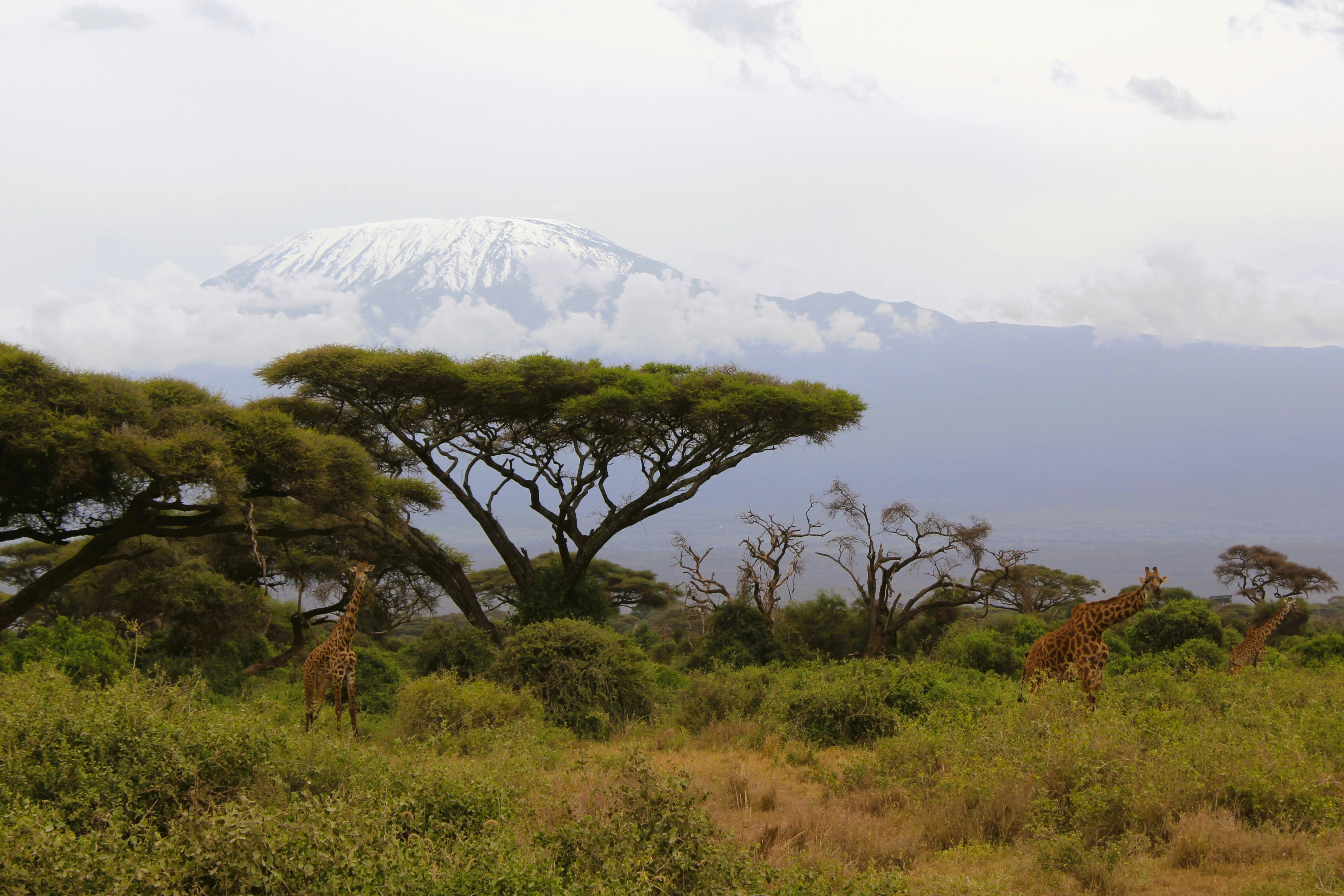
Tanzania is widely recognized as one of the world’s premier safari destinations, drawing visitors with its stunning range of wildlife and diverse ecosystems. The country is home to some of the most renowned national parks and reserves, such as the Serengeti and Ngorongoro Crater, which provide unparalleled opportunities for wildlife observation. Tanzania’s unique geographical features, including vast savannahs, lush wetlands, and towering mountains, contribute significantly to its status as a biodiversity hotspot.
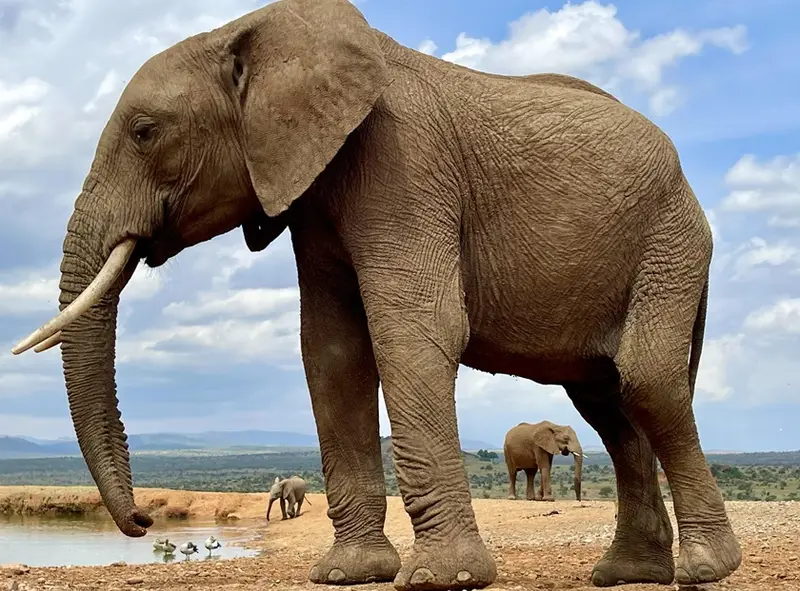
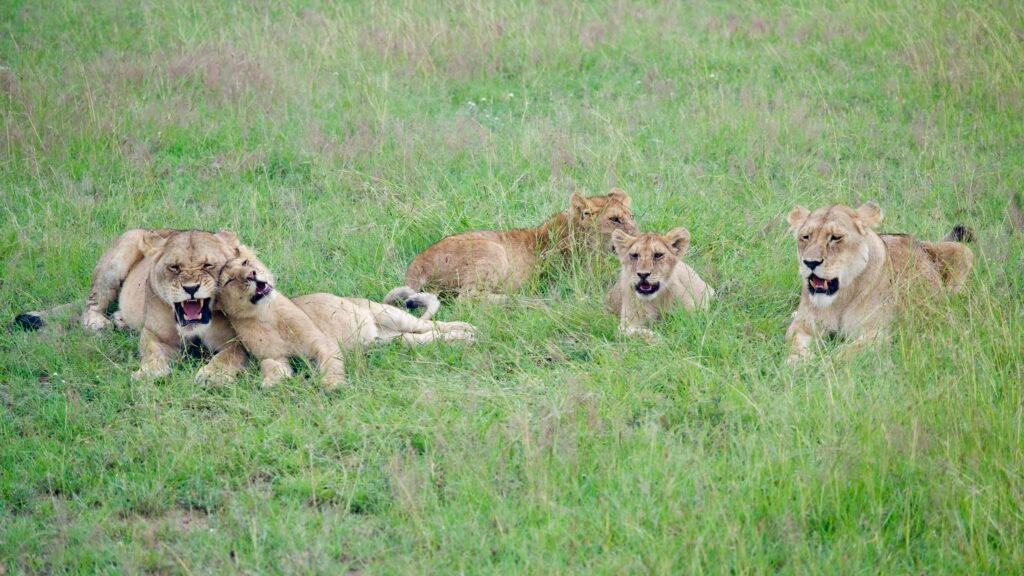
Visitors to Tanzania are often treated to remarkable sightings of the “Big Five”: lions, elephants, leopards, buffaloes, and rhinos. These iconic species, along with hundreds of other animal and bird species, thrive in Tanzania’s various habitats, making it an ideal location for wildlife enthusiasts. The rich ecosystems do not only ensure a great diversity of species but also set the stage for spectacular natural phenomena, such as the Great Migration, where millions of wildebeest and zebras traverse the plains in search of greener pastures.
The goal of this blog post is to explore the best times to embark on a safari in Tanzania. Although wildlife viewing can be exceptional year-round, certain seasons offer distinct advantages based on animal behavior, migration patterns, and environmental conditions. Understanding the seasonal weather patterns is crucial, as they directly influence wildlife movements and the accessibility of different areas within the parks.
Throughout the article, we will delve into the nuances of Tanzania’s climate and wildlife dynamics, enabling prospective travelers to make well-informed decisions about when to plan their safari adventures. This insight is essential for maximizing wildlife viewing opportunities and ensuring a memorable experience while exploring the incredible landscapes of Tanzania.
Understanding Tanzania’s Wildlife Seasons
Tanzania is renowned for its extraordinary wildlife and diverse ecosystems, which are shaped by distinct seasonal patterns. Understanding these wildlife seasons is crucial for optimizing safari experiences, as various animal behaviors fluctuate throughout the year. Primarily, the wildlife seasons in Tanzania can be categorized into wet and dry seasons, which profoundly impact animal activity.
The dry season, typically from June to October, offers the best opportunities for wildlife viewing. As water sources diminish, animals congregate around remaining watering holes, making it easier for visitors to spot them. During this period, predators such as lions and leopards become increasingly active as they hunt more frequently in and around these areas. Additionally, this is an excellent time for observing elephants, as their migratory patterns lead them to more accessible locations.
Conversely, the wet season, occurring from November to May, marks a time of renewal in Tanzania’s landscapes as vegetation flourishes. This season is characterized by the Great Migration, where vast herds of wildebeest and zebras trek from the Serengeti to the Maasai Mara in search of greener pastures. During this period, which peaks from December to March, calving occurs, and newborn animals are vulnerable, providing thrilling opportunities to observe the dynamics of nature during this critical lifecycle stage. Furthermore, birdwatchers will find the wet season particularly rewarding due to the influx of migratory species.
In summary, aligning your travel plans with the wildlife seasons of Tanzania can significantly enhance your safari experience. By understanding the behaviors and movements of various animal species, travelers can select the timing of their adventures to maximize encounters with the diverse wildlife that Tanzania has to offer.
Weather Patterns and Their Impact on Safari Experience
Tanzania experiences a varied climate that significantly influences the safari experience. The country has two distinct seasons: the wet and dry periods. The dry season, typically referred to as the cooler months from June to October, is characterized by minimal rainfall, making it an ideal time for safari. Wildlife is easier to spot during this time, as animals congregate around water sources, enhancing the chances of seeing a diverse range of species. The vegetation is also less dense, allowing for better visibility.
Conversely, the wet season occurs from November to April, with heavy rains that drastically alter the landscape. Although this may deter some travelers, the wet season boasts its own advantages. The flora thrives, resulting in lush, green scenery that provides stunning backdrops for photography. Additionally, many animals give birth during this time, allowing for a unique observation of young wildlife. However, accessing certain park roads can become challenging due to the muddy conditions, and sightings might require more time and patience.
It is vital for travelers to consider the weather before planning their safari in Tanzania. Preparation can include packing appropriate clothing for both warm days and cool nights, as temperatures can drop significantly in the evenings. Furthermore, travelers should ensure they have suitable gear for wet conditions if visiting during the rainy months. Understanding the seasonal variations will help in optimizing the safari experience, as the behavior of wildlife and the accessibility of parks can change dramatically based on the weather conditions.
Overview of Tanzania’s Major National Parks
Tanzania is home to some of the most renowned national parks in the world, making it a prime destination for safari enthusiasts. The major parks include Serengeti National Park, Ngorongoro Crater, and Tarangire National Park, each offering unique landscapes and diverse wildlife. To plan a successful safari, it is crucial to understand the different animal populations and the best times to visit each park.
Serengeti National Park, famous for its spectacular annual wildebeest migration, hosts an abundance of wildlife year-round. During the dry season, from June to October, visitors can witness large herds of animals congregating around water sources, making it an ideal time for safari excursions. The park is also renowned for its Big Five – lions, elephants, leopards, buffaloes, and rhinoceros – providing ample opportunities for wildlife spotting.
The Ngorongoro Crater, a UNESCO World Heritage Site, is another major attraction in Tanzania. This conservation area is notable for its high density of wildlife due to the unique ecosystem within the crater. Visitors can expect to see a variety of animals, including lions, zebras, and elephants, with the best wildlife viewing from June to September. The cooler temperatures during these months make it a favorable time for safari adventures.
Lastly, Tarangire National Park is particularly famous for its colossal baobab trees and large elephant herds. The park experiences its peak wildlife activity during the dry season, from June to October, when animals migrate to the Tarangire River in search of water. This period offers outstanding viewing opportunities as animals gather around the riverbanks, providing a captivating safari experience.
The Great Migration: Timing Your Safari
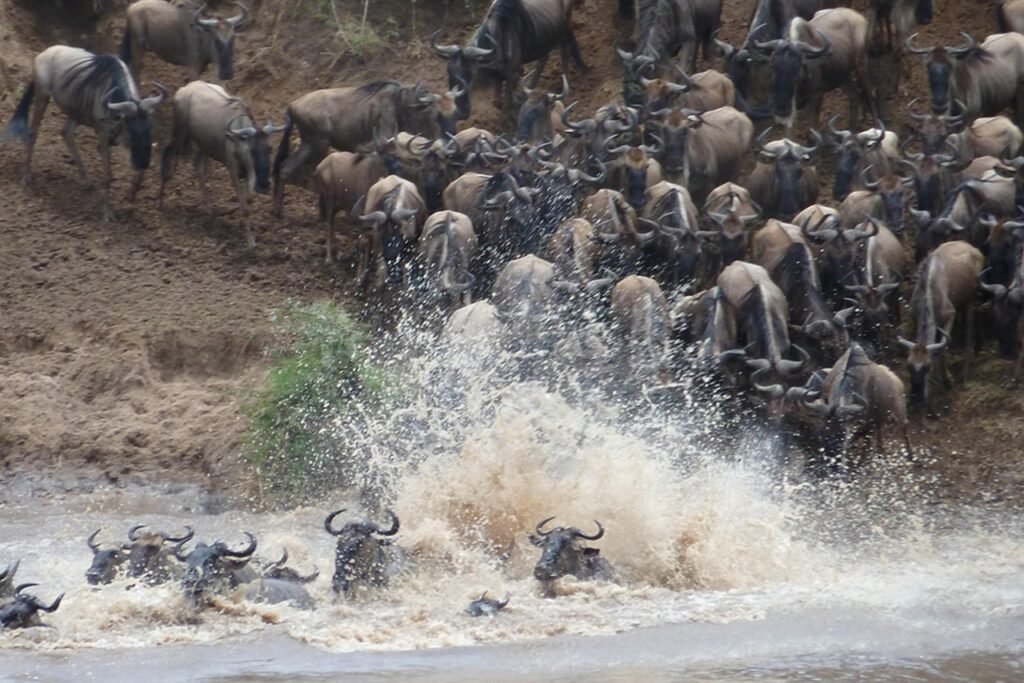
The Great Migration, a renowned phenomenon in the animal kingdom, is a natural spectacle that attracts wildlife enthusiasts and tourists to Tanzania yearly. This dramatic event involves approximately 1.5 million wildebeests and hundreds of thousands of zebras embarking on a perilous journey across the Serengeti ecosystem. Understanding the timing of this migration is essential for safari planning, as it allows visitors to witness one of nature’s most breathtaking displays.
The migration primarily occurs in a cyclic pattern, dictated by the availability of grass and water, with each stage of the journey showcasing different awe-inspiring moments. It begins in the southern Serengeti around December, where the wildebeests congregate to give birth, leading to what is known as the calving season. This period, lasting until March, offers a unique opportunity to observe newborn calves in the lush grasslands, attracting predators such as lions and hyenas.
As the season progresses into April and May, the herds start a northward trek. During this time, the landscapes transform as the rains nourish the terrain, providing abundant grazing opportunities. By June, the wildebeests make their way to the western corridor, a region that is critical for their passage due to the necessity of crossing the Grumeti River. Witnessing this crossing, typically around late June to early July, can be an unforgettable moment in a safari experience. Following this, the herds continue toward the northern Serengeti, where they settle in August and September.
By October, as the herds begin to journey back south, visitors can anticipate witnessing the seasonal changes that accompany the migration. For those planning a safari in Tanzania, aligning travel dates with the Great Migration can maximize wildlife encounters and add an unparalleled excitement to the experience. Therefore, carefully timing your safari is vital to witness this incredible migration and the dramatic interplay between predator and prey on the plains of Tanzania.
Travel Seasons: High vs Low Season
Tanzania presents a unique landscape for safari enthusiasts, with distinct travel seasons that influence the overall experience. The country’s tourism can primarily be divided into two main categories: high season and low season, each associated with its own set of advantages and disadvantages.
The high season typically runs from June to October, coinciding with the dry months. This period is characterized by the greatest number of visitors, drawn by the superb animal visibility during game drives. As waterholes diminish and vegetation thins out, wildlife congregates in more accessible areas, ensuring excellent opportunities for observation. However, this surge in tourism can create crowded conditions, with visitors often competing for viewing points. Accommodation prices also see a notable increase, making the high season a more expensive time to visit.
In contrast, the low season spans from March to May and November to mid-June. Visitors during this time may encounter fewer crowds and more affordable accommodation options, making it a cost-effective alternative for budget-conscious travelers. However, conditions can be more challenging; the long rainy season, in particular, can impede access to certain areas, and wildlife may be more dispersed due to abundant resources. Nonetheless, this period, especially late November and late March, can offer rewarding experiences as migratory species seek refuge, adding a layer of diversity to wildlife viewing.
Notably, mid-season months (January and February) are ideal for witnessing the calving season for wildebeests, providing remarkable opportunities for those willing to adjust their travel plans. Ultimately, understanding the differences between high and low seasons will empower travelers to make informed decisions based on their preferences regarding wildlife visibility, budget, and crowd tolerance.
Choosing the Right Safari Type
Tanzania offers an array of safari types that cater to different preferences, making it essential for potential travelers to evaluate their options based on timing, wildlife activity, and personal interests. The primary types of safaris available include guided tours, self-drive safaris, and walking safaris, each presenting unique experiences and opportunities for wildlife viewing.
Guided tours, often led by experienced guides, provide a structured approach to exploring the stunning national parks of Tanzania. These tours typically align closely with optimal wildlife viewing periods. For instance, during the Great Migration from June to October, guided safaris can enhance opportunities to witness the breathtaking river crossings in the Serengeti, which are heavily influenced by the movement of wildlife and their breeding cycles. Guided tours ensure that travelers can access remote areas safely while maximizing sightings.
On the other hand, self-drive safaris offer a more independent experience, allowing visitors to create their own itineraries. However, the timing of travel is crucial for this option, as certain regions may become challenging to navigate during the rainy season. Generally, the dry season from June to October is recommended for self-drivers, as it provides easier road access and better visibility of wildlife congregating around limited water sources.
Walking safaris, another popular choice, provide an intimate way to experience the African wilderness. These safaris are generally conducted in areas where wildlife is less dense, allowing for a deeper connection to the natural environment. The best times for walking safaris typically align with the dry season when animals are more likely to frequent smaller waterholes. Timing is crucial in this context, as it enhances the likelihood of encountering wildlife on foot. Understanding the seasonality of wildlife activity aids in selecting the most suitable safari type for an unforgettable Tanzanian adventure.
Practical Tips for Planning Your Safari
Planning a safari in Tanzania requires careful consideration and organization to ensure a memorable experience. The timing of your safari is crucial; popular seasons tend to fill up quickly, so it is advisable to book your trip several months in advance. This advance planning allows you to secure accommodations and preferred tour guides, which can enhance your overall experience.
When deciding what to pack, it is important to focus on comfort and practicality. Lightweight, breathable clothing in neutral colors is recommended to adapt to the climate and blend in with the natural surroundings. Additionally, sturdy footwear is essential for game drives and walking safaris. Don’t forget to bring a wide-brimmed hat, sunglasses, and sunscreen to protect against the sun, along with insect repellent to ward off mosquitoes.
Travel insurance is another vital aspect of planning your safari. It provides peace of mind in unforeseen circumstances, such as flight cancellations, medical emergencies, or trip interruptions. Ensure that your policy covers activities you plan to participate in, including safari excursions. Furthermore, it is advisable to check the latest health advisories and vaccination requirements for Tanzania, as these can impact your travel plans.
Lastly, consider your interests when selecting a safari type. Whether you prefer a guided tour or a self-drive experience, various options are available to cater to different tastes and budgets. Always remain flexible in your plans, as unexpected situations may arise, providing an opportunity for new adventures. With proper planning and preparation, your safari to Tanzania can be an unforgettable experience.
Conclusion and Recommendations
Embarking on a safari in Tanzania is undoubtedly a thrilling and unforgettable experience, and knowing the best time to undertake this adventure can significantly enhance it. The optimal months tend to be during the dry season, which runs from June to October. This period not only offers clear skies and moderate temperatures but also allows for easier wildlife viewing as animals congregate around dwindling water sources. Additionally, the Great Migration, a spectacular natural phenomenon, usually peaks from July to September, providing safari-goers an unparalleled spectacle of wildlife.
For travelers interested in birdwatching, the wet season from November to April presents an entirely different allure. This is when migratory birds arrive in Tanzania, contributing to vivid landscapes. Although some areas may become less accessible due to muddy conditions, the lush environment and increased wildlife activity can yield a unique safari experience. Thus, aligning one’s travel schedule with specific wildlife experiences is paramount for a fulfilling adventure.
When planning your safari, consider the activities you’re keen on pursuing. If you prefer witnessing large predator interactions or the extraordinary sight of the wildebeest migration, prioritizing travel during the dry months might be advisable. On the other hand, if your interests lean toward birdwatching or a quiet retreat in nature, the wet season can offer the beauty and tranquility sought by many nature lovers.
In conclusion, aligning travel plans with the dynamic wildlife experiences in Tanzania is critical for ensuring a memorable safari. Whether you choose the bustling dry months or the serene wet season, both times present unique opportunities to explore the breathtaking contrasts of Tanzania’s wildlife and landscapes. Always consider your preferences and the specific wildlife you wish to encounter to make the most of your adventure.