
A well-planned Tanzania safari packing list helps you stay comfortable through cool early-morning drives, warm afternoons, dusty roads and changing conditions between parks. You do not need a different outfit for every game drive, and packing more does not necessarily make a safari easier. The most useful approach is to choose versatile clothing, protect yourself from the sun and dust, and keep important travel documents and personal medication close at hand.
The details depend on your route. A road safari through Tarangire, Ngorongoro and the Serengeti allows more luggage flexibility than a light-aircraft transfer to a remote camp. A beach extension in Zanzibar also calls for a few different items. Tanzania Beauty Safaris encourages guests to check their itinerary and airline allowance before packing, particularly when domestic flights connect several parks.
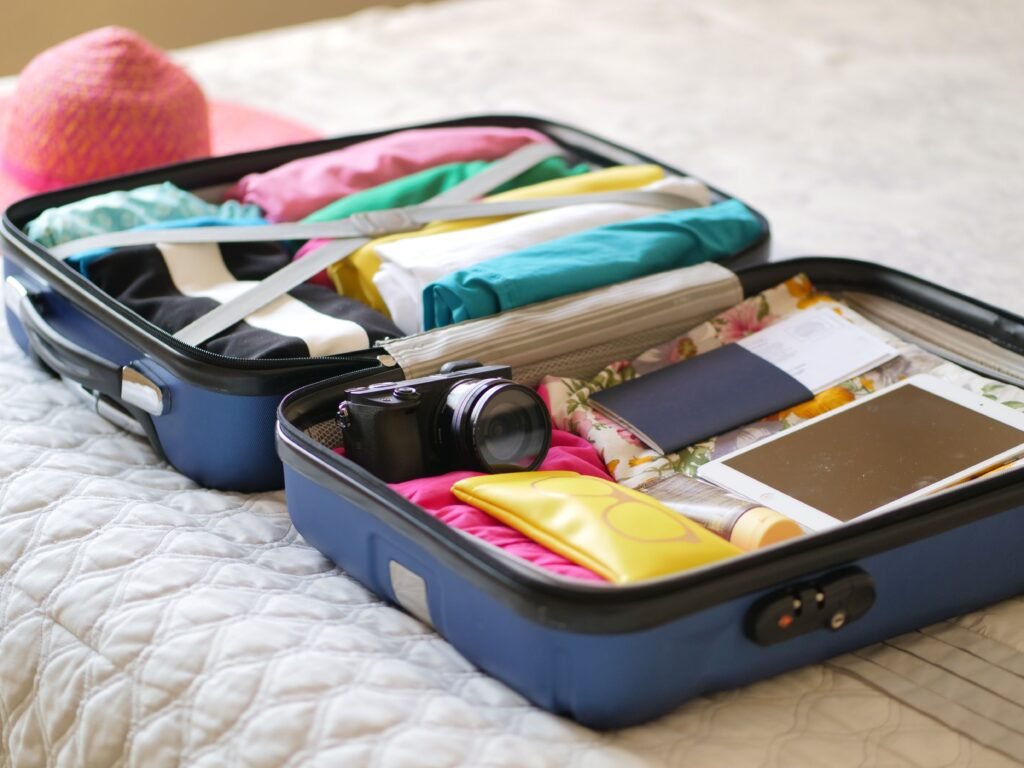
Clothing for Tanzania’s changing safari conditions
Safari days often begin before sunrise, when an open vehicle can feel surprisingly cold. A light fleece, warm layer or packable jacket is useful for morning drives in the Serengeti, Ngorongoro Highlands and other elevated areas. As the sun rises, temperatures usually become more comfortable, so layers are more practical than one heavy coat. Choose breathable shirts and trousers that can be worn more than once, and bring a few changes of underwear and socks suited to the length of your trip.
Neutral colours such as khaki, olive, brown and muted grey work well because they show less dust and blend comfortably into the natural setting. Bright clothing is not prohibited on a normal game drive, but neutral shades are practical for photography and walking activities. Avoid relying entirely on camouflage clothing, which can be restricted or misunderstood in some countries. Lightweight long sleeves and trousers also help protect skin from sun, insects and thorny vegetation when you leave the vehicle on an authorised walk.
Pack a hat with a brim, sunglasses and a swimsuit if your accommodation has a pool or your itinerary includes the coast. A scarf or buff can help on dusty drives, while a compact rain jacket is useful during transitional and rainy periods. Laundry service is available at many lodges and camps, although turnaround times and fees differ. Ask your accommodation or safari planner whether laundry is offered before deciding how many outfits to bring.
When choosing fabrics, consider how easily they can be washed and how quickly they dry. A small number of coordinated items is usually more useful than a large collection of outfits. Think about whether your itinerary includes a beach stay, a high-altitude night near Ngorongoro or a walking activity, then pack only what those conditions require. This keeps your bag manageable and makes it easier to find what you need during a multi-stop journey.
Shoes, bags and luggage for safari travel
Comfortable closed shoes are suitable for most vehicle-based safaris. You do not need heavy hiking boots for ordinary game drives, but sturdy trainers or light walking shoes are useful around camp and on uneven paths. If your itinerary includes a guided nature walk, crater hike or chimpanzee trek, ask what footwear the activity requires. Trails can be muddy, steep or slippery, and the right shoes depend on the specific park and season.
Luggage rules become especially important on fly-in safaris. Small aircraft have limited space, and some operators require soft-sided bags that can fit into their luggage compartments. A commonly published allowance on certain safari airlines is 15 kilograms per passenger including hand luggage, while other carriers publish different limits. Do not assume one allowance applies to every flight. Confirm the exact airline, total weight, bag dimensions and whether camera equipment counts before departure. A hard-shell suitcase may not fit even when it is within the weight limit.
A soft duffel bag is often easier to stow than a rigid case, and packing cubes help keep clothing organised. Carry a small daypack for a camera, water, sunscreen, binoculars and personal essentials during game drives. Keep passports, money, medication, chargers and valuables in your cabin bag, subject to airline rules. If you have excess luggage, ask whether secure storage is available in Arusha or at your hotel rather than arriving at the airstrip expecting an exception.
Before you buy a new suitcase or travel bag, ask the operator for the exact flight details on your itinerary. A journey may use more than one airline, and the smallest aircraft can have the strictest baggage allowance. Some carriers measure bags as well as weighing them, and soft-sided luggage can be easier to fit into a limited compartment. Keep a little spare capacity for souvenirs, but do not use the allowance as a target if a lighter bag will make transfers easier.
Health, sun protection and personal essentials
Bring any prescription medicine you use in its original packaging, together with a copy of the prescription where appropriate. Pack enough for the entire trip and a small contingency in case of delays. Travellers should discuss vaccinations, malaria prevention and other health precautions with a qualified travel-health professional well before departure, because advice depends on medical history, destinations and current guidance. A safari operator cannot replace individual medical advice.
Sun protection deserves daily attention. Pack broad-spectrum sunscreen, lip balm with sun protection, sunglasses and a hat. The equatorial sun can be strong even when the morning feels cool or the sky is hazy. Insect repellent may be useful, particularly around wooded areas, water and at dusk. A small personal first-aid kit can include plasters, blister care, antiseptic wipes and any familiar over-the-counter products you normally use, provided they are legal to carry and suitable for you.
Useful personal items include hand sanitiser, tissues, a refillable water bottle if your operator supports refilling, earplugs, a small torch and a universal travel adaptor. Tanzania generally uses Type D and Type G sockets, but accommodation facilities can vary, so check the equipment you plan to charge. Bring spare batteries or a power bank for long days, and follow airline rules for carrying lithium batteries in hand luggage. Keep electronics protected from dust in a padded pouch or dry bag.
Your personal health kit should reflect your own needs rather than a generic internet checklist. If you use contact lenses, bring supplies and a backup pair of glasses. If you are sensitive to dust, ask a clinician whether any personal protective items are appropriate. Keep medication labelled and accessible, and avoid packing unfamiliar remedies that you have never used before. For medical and vaccination advice, consult a travel-health professional who can consider your full route and personal circumstances.
Camera gear, documents and final packing checks
Binoculars can make a major difference to wildlife viewing, especially when animals are far across open plains or resting in woodland. If you enjoy photography, take the camera body and lenses you know how to use rather than buying complicated equipment immediately before travel. A telephoto lens is useful for distant wildlife, while a shorter lens captures landscapes, camp scenes and wider animal behaviour. A beanbag or soft support can help steady a camera on a vehicle window, but ask your guide before attaching equipment to the vehicle.
Keep your passport, flight details, travel insurance information, accommodation confirmations and relevant entry documents accessible. Check passport validity and visa requirements for your nationality through official immigration sources before travelling. Save digital copies securely, but do not rely on a phone alone. If you are travelling with children, check whether additional consent or documentation is required for your circumstances.
Before leaving home, weigh your packed bag and compare it with every airline on your itinerary, not just the international carrier. Separate essential medication and one change of clothes from checked luggage. Check the weather for each region, confirm whether your camp supplies toiletries or hairdryers, and ask about laundry. A carefully edited bag is easier to manage on dusty roads, in safari vehicles and on small aircraft. For a tailored checklist, Tanzania Beauty Safaris can help match your packing to the parks, season and travel style.
Think about the order of your activities when choosing outfits. A day that begins with a dawn game drive and ends with dinner at an open-air lodge may require a warm layer in the morning and a lighter shirt later. If you plan a walking activity, keep a separate set of clothes that can handle dust, mud or contact with vegetation. Quick-drying fabrics are useful because they can be washed and aired between safari days, reducing the number of garments you need to pack.
Frequently asked questions
Do I need special safari clothing in Tanzania?
No specialist uniform is required. Lightweight, comfortable clothing in muted colours, plus warm layers for early mornings, works well for most vehicle-based safaris.
Can I take a hard-shell suitcase on a safari flight?
It depends on the airline and aircraft. Some carriers require or strongly recommend soft-sided bags, so confirm the precise dimensions and weight allowance before departure.
How much luggage can I bring on a Tanzania safari?
The allowance varies by airline and route. Some light-aircraft services publish 15 kg including hand luggage, while others allow more. Follow the strictest allowance on your itinerary.
Should I bring binoculars?
Yes, if you own a pair. Binoculars help you observe distant animals and birds without asking the guide to move the vehicle closer.
Plan your Tanzania journey
Tanzania’s parks reward careful planning. Match travel time, accommodation location and activities to the experience you want rather than trying to fit too many distant places into one itinerary. Tanzania Beauty Safaris can help you compare routes and arrange a private journey with realistic transfer times and park activities.
Photography equipment should be practical for the way you like to travel. A second camera body can be useful for a serious photographer, but it adds weight and needs secure storage. Bring lens cloths, spare memory cards and a reliable way to back up photographs if that matters to you. A small dry bag or padded insert can protect equipment from dust and sudden rain. Ask your guide before using a beanbag or resting equipment on any part of the vehicle.