A safari in Nyerere National Park can combine traditional game drives with time on the Rufiji River, creating a varied experience in southern Tanzania. The following guide explains the park’s wildlife, activities, seasons and transport considerations.

The Rufiji River and Nyerere’s wildlife
Nyerere National Park protects a vast area of southern Tanzania’s wilderness and forms part of the wider Selous ecosystem. The Rufiji River and its network of channels, lakes and seasonal wetlands shape much of the visitor experience. This is a landscape where water is not simply a place to find wildlife; it is one of the main forces determining how animals move and where different activities take place. Riverine forest, open woodland, grassland and floodplain habitats sit alongside one another, creating a varied environment that feels distinct from the open plains of the Serengeti. The scale of the protected area also contributes to a sense of space, with some safari routes seeing relatively few other vehicles.
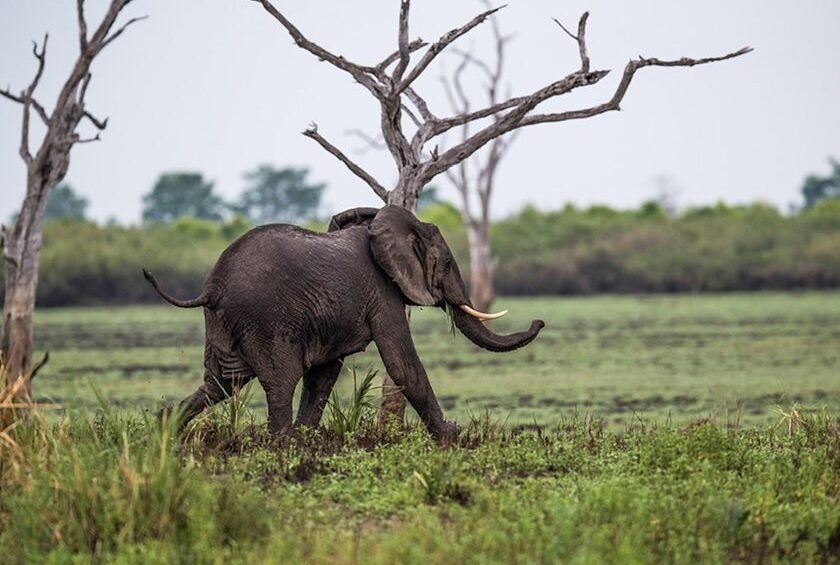
The park supports elephants, buffalo, giraffes, zebras, wildebeest, hippos and crocodiles, as well as several antelope species. Lions and leopards are present, and African wild dogs are among the animals that make the wider ecosystem especially important for conservation. Sightings vary by season and location, and a large park cannot be explored fully in a short visit. Guides use recent reports, tracks and habitat knowledge to choose routes, but wildlife remains wild and unpredictable. Birdlife is another major attraction, particularly around river edges and wetlands where fish eagles, herons, kingfishers and other water-associated species may be seen.
Nyerere is particularly appealing because game drives are only one part of the experience. The river offers a different way to observe wildlife, while guided walking activities at suitable camps provide a closer look at tracks, plants and smaller details of the bush. This variety makes the park a strong choice for travellers who want a safari with more than one rhythm. Tanzania Beauty Safaris can plan a stay around the Rufiji area or another suitable camp location, taking into account the activities available, the number of nights and how you intend to reach the park.
Boat safaris, game drives and guided walks
A boat safari on the Rufiji River is one of Nyerere’s signature experiences. From the water, visitors can watch hippos resting in pools, crocodiles along the banks and elephants or buffalo approaching the river to drink. Birds are often easier to observe from a boat because the river edges provide feeding and nesting habitat. The perspective is different from a vehicle: the boat moves at a slower pace, the sound of the engine is often reduced when approaching wildlife, and the surrounding channels reveal the shape of the landscape. Boat trips are dependent on water levels, weather, operating arrangements and the location of the camp, so they should be confirmed as part of the package rather than assumed to be available at every property throughout the year.
Game drives remain important for exploring the wider habitats away from the river. A morning or afternoon drive can focus on woodland, open clearings, lakes and areas where recent animal movement has been reported. The park’s size means that routes should be planned sensibly, with enough time to enjoy sightings rather than spending most of the day travelling between distant sectors. Some camps offer night drives or other specialist activities where permitted, but these depend on local regulations and camp operations. Ask which activities are included in the quoted rate and whether additional fees apply, especially if you want to combine boat trips and game drives on the same day.
Guided walking safaris add another dimension, allowing visitors to learn about animal tracks, plant uses, insects and the smaller signs of the ecosystem. Walks are led by authorised guides and follow strict safety procedures; they are not an opportunity to approach large mammals. Age limits and fitness requirements can apply, and the route depends on conditions. A multi-activity safari is best enjoyed over several nights, with time to experience the river without rushing to the next game drive. Tanzania Beauty Safaris can help compare camps according to their location and activity programme, so the final choice reflects the kind of safari you want rather than only the room category.
When to visit Nyerere and how to organise the journey
Nyerere’s seasons influence both wildlife distribution and the availability of activities. During the drier months, animals may concentrate around permanent water and river channels, which can make game viewing more predictable in some areas. Boat safaris remain strongly connected to river levels and local operating conditions. The green season brings fresh vegetation, seasonal water and a different atmosphere for birdwatching, although some roads can become more difficult and certain camps may close or change their operating arrangements. Rather than choosing dates from a simple list of best months, consider what matters most: concentrated wildlife, lush scenery, birdlife, lower visitor numbers or a particular activity.
Many visitors reach Nyerere by light aircraft from Dar es Salaam or Zanzibar, using airstrips that serve individual camps and areas of the park. Flying is often the most time-efficient option for a short safari, but routes and baggage allowances vary. Road access is also possible, although journey times depend on the gate, camp location and road conditions. If you are travelling overland, allow enough time and avoid scheduling a demanding activity immediately after a long transfer. When combining Nyerere with Ruaha or Mikumi, confirm the transport connections before choosing accommodation; the most efficient sequence may involve a flight rather than returning to the same starting point.
Choose accommodation according to its setting and the experiences it offers. A camp near the Rufiji may be convenient for boat activities, while another location may provide different access to game-drive areas. Confirm whether transfers, park fees, meals, drinks and activities are included, and check the camp’s operating dates. Bring sun protection, a light layer for early starts, binoculars and a camera, and follow all instructions during water-based activities. Tanzania Beauty Safaris can organise a private Nyerere safari from Dar es Salaam, Zanzibar or as part of a wider southern circuit, with a clear itinerary that balances travel time and time in the wilderness.
Making the most of a Rufiji River safari
A boat safari on the Rufiji is shaped by water level, current, visibility and the route selected by the boat operator. The river’s channels, lakes and banks create opportunities to observe hippos, crocodiles and waterbirds, but sightings vary from one outing to another. A slower section may allow time to watch birds feeding along the shoreline, while a different channel may provide a wider view of the river landscape. Guests should follow the boat guide’s instructions, remain seated when asked and keep hands and equipment inside the boat, particularly when passing close to wildlife. A boat trip is not a reason to approach animals or encourage the boat crew to move closer than is safe.
Ask the camp how boat trips are scheduled and whether the activity is shared or private. Early morning and late afternoon can offer softer light and more comfortable temperatures, although the actual departure time depends on camp operations and conditions on the river. Bring a hat, sunscreen, binoculars and a camera strap, and protect electronics from spray and dust during transfers. If boat safaris are a major reason for choosing Nyerere, allow more than one opportunity on the river rather than relying on a single outing. Combining a boat trip with a vehicle safari gives a broader understanding of the park’s habitats, while a guided walk may be possible only where the operator and park rules permit it.
Planning your safari with Tanzania Beauty Safaris
Tanzania Beauty Safaris can help you shape a private itinerary around your dates, interests, group size and preferred level of comfort. Share your starting point and the number of nights available, and we can recommend a route with realistic transfer times, suitable accommodation and activities that fit your plans.
Rufiji River habitats and the difference between boat and vehicle safaris
The Rufiji system gives Nyerere a character that differs from the open plains of many northern parks. Channels, lakes, sandbanks, riverine woodland and seasonal flood areas create a shifting mosaic of habitats. During a boat safari, the guide can interpret signs along the water’s edge, watch birds feeding in shallows and explain how animals use the river for drinking and movement. Hippos and crocodiles are among the species associated with the water, while elephants and other mammals may come to the banks. Sightings depend on water levels, season and the route permitted on the day.
A boat trip and a vehicle game drive answer different questions about the landscape. From a vehicle, guests can cover a wider area of dry land and search for mammals across woodland and open country. From a boat, attention shifts to river behaviour, aquatic birds, tracks in the mud and animals approaching the water. Neither activity guarantees close encounters, and boat routes can change with current, depth and safety conditions. A balanced stay allows time for both rather than treating a short boat excursion as a complete substitute for exploring the park by land.
Travellers considering a longer southern-circuit journey can compare Nyerere with our guides to Ruaha National Park, Mikumi National Park and Udzungwa Mountains.
Seasonal water conditions influence the character of the river. As levels change, channels may become more or less accessible, exposed sandbanks can appear and wildlife distribution shifts around remaining water. The precise experience varies between years, so travellers should ask the camp what activities are operating during their dates. Boat availability, departure times and river conditions should be confirmed locally. Guests should follow crew instructions, remain seated when required and keep hands and equipment inside the boat. A camera with a moderate zoom and binoculars are useful, but safety and respect for wildlife take priority over moving closer for a photograph.