Ruaha rewards travellers who want time in a large, varied wilderness rather than a quick sequence of famous sightings. This guide looks at the park’s wildlife, seasonal changes, access and the practical decisions that shape a comfortable southern Tanzania safari.
Ruaha’s landscapes and wildlife
Ruaha National Park is one of Tanzania’s defining wilderness areas, occupying a vast landscape in the country’s south-central interior. Its character comes from the meeting of several habitats: open plains, rocky hills, dry woodland, river valleys and stands of baobab trees. The Great Ruaha River and its tributaries are important features of the ecosystem, especially as the dry season progresses and wildlife concentrates around dependable water. Compared with the northern circuit, Ruaha generally feels more remote and less travelled. Distances between sightings can be longer, but the sense of space is part of the attraction. Visitors come not simply to move from one famous animal to another, but to spend time in a large, varied ecosystem where the landscape itself shapes each day’s safari.
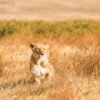
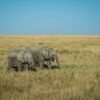
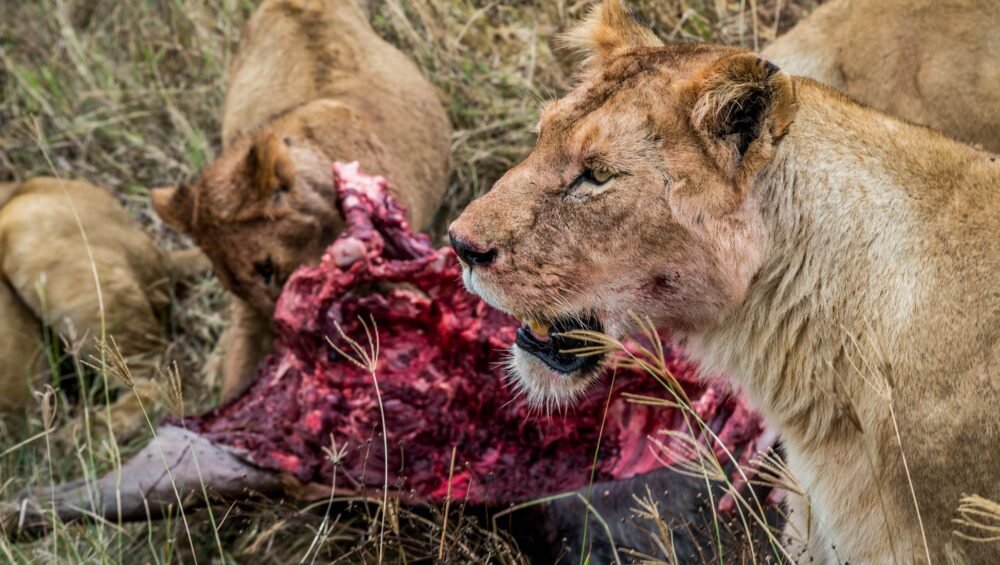
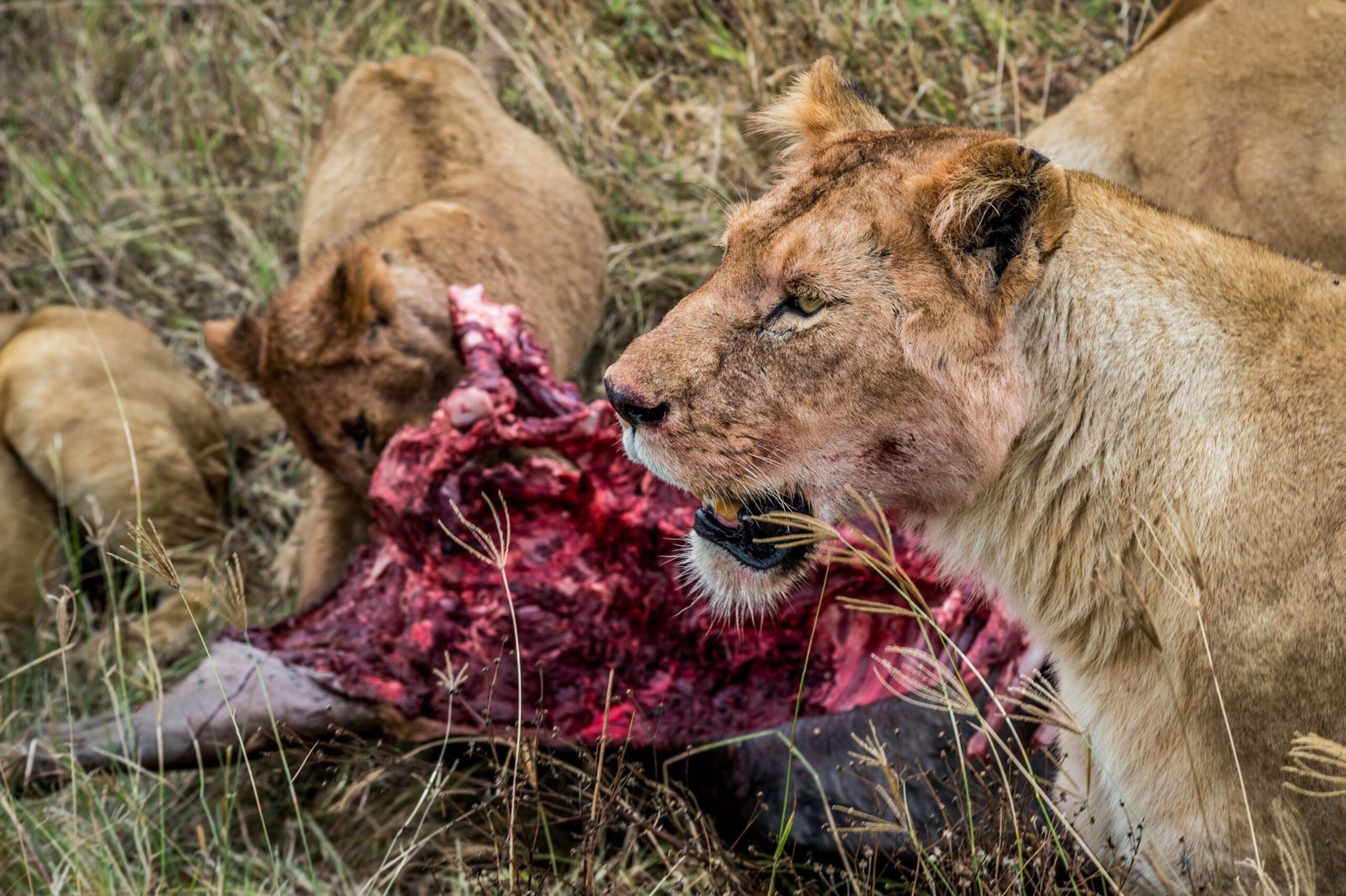
Elephants are among the park’s most recognisable animals, and Ruaha is also known for its lions and other predators. Leopards, cheetahs, spotted hyenas and African wild dogs occur in the wider ecosystem, although encounters with elusive species depend on luck, season and the guide’s knowledge. The park’s birdlife is exceptionally varied, reflecting the meeting of eastern and southern African species ranges. Along the river, visitors may see hippos, crocodiles and animals coming to drink, while woodland and open country support different antelope species. Greater kudu, sable antelope and roan antelope are among the species that make Ruaha especially interesting to experienced safari travellers.
A safari here rewards patience. The best wildlife moments may develop slowly: elephants moving between feeding areas, lions resting in shade before becoming active, or birds gathering along a riverbank. A guide who understands seasonal patterns can use tracks, alarm calls and changing animal behaviour to decide where to spend time. Tanzania Beauty Safaris recommends Ruaha to travellers who value a quieter, more expansive safari and who can allow several days for the park. It is less suited to a rushed itinerary that tries to combine too many distant destinations in a short stay.
Best time to visit Ruaha and what changes through the seasons
The dry season, broadly from June to October, is often favoured for concentrated wildlife viewing in Ruaha. As temporary water sources disappear, animals increasingly use the Great Ruaha River and other remaining water points. Grass becomes shorter and visibility can improve, making it easier to scan the river edges and open woodland. Predator activity may also become easier to interpret when prey animals follow predictable routes to water. These patterns make the middle and later part of the dry season attractive for travellers whose main priority is game viewing, although exact conditions vary from year to year and water availability is never identical in every part of the park.
The green season brings a different kind of beauty. Rainfall transforms the vegetation, seasonal pools appear and the landscape becomes more colourful. Migratory birds add interest, and the park can feel particularly atmospheric after a shower. Wildlife is more dispersed when water is widely available, and thicker vegetation can make some animals harder to spot. That does not mean the season lacks rewarding encounters; it simply changes the balance between visibility, scenery and birdlife. Travellers who enjoy photography, quieter travel periods and a more varied landscape may appreciate this time, provided they understand that some roads and camps may operate differently during wetter months.
When choosing dates, consider the camp’s operating season, access by road or air, and the part of the park you want to explore. Ruaha is extensive, and a camp’s location can influence the habitats and river sections reached during daily game drives. Ask how transfers are arranged, whether the camp is open for the full period, and what happens if heavy rain affects a route. A stay of three or four nights gives a better opportunity to explore different areas than a one-night stop. Tanzania Beauty Safaris can help match the season and camp location to your wildlife interests, while explaining the trade-offs honestly rather than promising guaranteed sightings.
Getting to Ruaha and planning a comfortable safari
Ruaha is reached by road or by domestic light aircraft, and the best option depends on the time available and the wider route. Flying from Dar es Salaam, Zanzibar or another safari hub can save substantial travel time, although flight schedules, baggage limits and the airstrip serving a particular camp must be checked for the actual dates. Overland travel is possible and can be rewarding as part of a longer southern circuit, especially when combined with Mikumi or Udzungwa, but road distances are significant. Travellers should not assume that a transfer between parks will be a short drive; road conditions, stops and the location of accommodation all affect the day.
Accommodation ranges from comfortable tented camps to more established lodges, with different levels of remoteness and facilities. Some camps are positioned close to river systems, while others offer access to more remote areas. Before booking, confirm whether game drives are included, whether they are shared or private, how meals and drinks are handled, and whether transfers from the airstrip are part of the rate. Ask about seasonal opening dates and the type of vehicle used. A camp that looks close on a map may still require a lengthy drive on park tracks, so the property’s location should be considered alongside its style and price.
Pack neutral clothing, a hat, sunscreen, binoculars and a camera with a useful zoom range. Early morning drives can be cool, while afternoons may be hot and dusty. Follow the guide’s instructions around wildlife and keep a respectful distance from animals, particularly near water. If you are combining Ruaha with Nyerere, allow enough nights in each park and check whether a flight connection is more sensible than a long road transfer. Tanzania Beauty Safaris can plan Ruaha as a focused fly-in safari or as part of a longer southern Tanzania journey, with realistic travel days and time for unhurried game viewing.
Planning game drives across a large wilderness area
Ruaha’s scale has a direct effect on how a safari day should be organised. The distance between camp, river systems and different wildlife areas can be substantial, so a good guide will balance the desire to explore with the time available for returning safely before dark. Rather than trying to cover every part of the park in one day, it is usually more rewarding to focus on a particular drainage line or habitat and watch how wildlife uses it. A morning drive may reveal animals moving towards water or returning to cover, while later hours can bring different activity as temperatures change. The route should remain flexible because rainfall, road conditions and recent sightings can all influence where it makes sense to go.
Visitors should discuss their priorities with the guide at the beginning of the stay. Someone hoping to photograph elephants may prefer time near water and open clearings, while a traveller interested in birds may want to pause in varied habitats rather than drive continuously. Predator sightings are never guaranteed, and a quiet stretch of road does not mean the area lacks wildlife; animals may be resting in shade or moving through thicker vegetation. Carry water, sun protection and binoculars, and take a light layer for cool early starts. Two or three nights in the park generally allow a more considered experience than a brief stop between long transfers.
Planning your safari with Tanzania Beauty Safaris
Tanzania Beauty Safaris can help you shape a private itinerary around your dates, interests, group size and preferred level of comfort. Share your starting point and the number of nights available, and we can recommend a route with realistic transfer times, suitable accommodation and activities that fit your plans.
Seasonal wildlife patterns and the scale of Ruaha
Ruaha’s wildlife viewing is closely connected to the changing availability of water and grazing. During the dry season, animals may concentrate around the Great Ruaha River and other remaining water sources, making it easier to understand how species share a limited resource. Elephants, buffalo, antelope and predators all respond to these conditions, although their distribution changes with local rainfall and water availability. In the green season, vegetation becomes denser and animals may be more dispersed, while the landscape supports active birdlife and a different photographic atmosphere. Neither season is universally best; the right choice depends on whether a traveller prioritises concentrated mammal viewing, lush scenery, birds or fewer visitors.
Ruaha is a large protected landscape, and distances within it can be substantial. A camp’s location therefore matters as much as its category. Two properties described as being in Ruaha may offer access to different river systems, habitats and game-drive circuits. Ask how long it takes to reach the main areas from the camp, whether full-day drives are practical and what is included in the daily activity schedule. A short stay based in one part of the park will not provide the same coverage as several nights that allow the guide to explore different habitats. This is particularly important for guests hoping to see a broad range of wildlife rather than concentrating on one species.
If you are comparing parks in southern Tanzania, continue with our Nyerere National Park guide and Udzungwa Mountains guide.
Ruaha can be combined with Nyerere or other southern circuit destinations, but the itinerary should account for the distance and the transport method. Road transfers can be long and should not be described as short connections between parks. Scheduled or charter flights may reduce travel time, subject to routes, baggage limits and operating days. Travellers should compare the total door-to-door journey, including airstrip transfers, rather than just the flight duration. Allowing enough nights in Ruaha is often more rewarding than adding the park to an already crowded route with only one brief overnight stay.