
Mahale Mountains National Park is one of Tanzania’s most distinctive wilderness destinations. On the eastern shore of Lake Tanganyika, forested mountains rise behind sandy beaches, creating a landscape that feels very different from the open plains of the northern safari circuit. The park is best known for wild chimpanzees, but the experience also includes rainforest walking, lake scenery, birdlife and a sense of remoteness that appeals to travellers seeking something beyond a conventional game drive.
Mahale lies in western Tanzania and protects a large area of forested mountain habitat and shoreline. Tanzania National Parks identifies it as a major stronghold for chimpanzees, with other primates and forest wildlife also present. Access takes planning, and the journey is part of the experience. Tanzania Beauty Safaris recommends building enough time into the itinerary rather than treating Mahale as a quick add-on to a short northern circuit.
Why Mahale is special
Mahale’s geography is central to its appeal. The park combines the slopes and valleys of the Mahale Mountains with the clear waters of Lake Tanganyika. Forest trails can pass through dense vegetation, streams and steep terrain before opening towards lake views. This contrast between mountain forest and beach gives the park a character that is difficult to replicate elsewhere in Tanzania. Visitors can spend part of the day tracking wildlife and another part relaxing beside the lake, depending on camp arrangements and conditions.
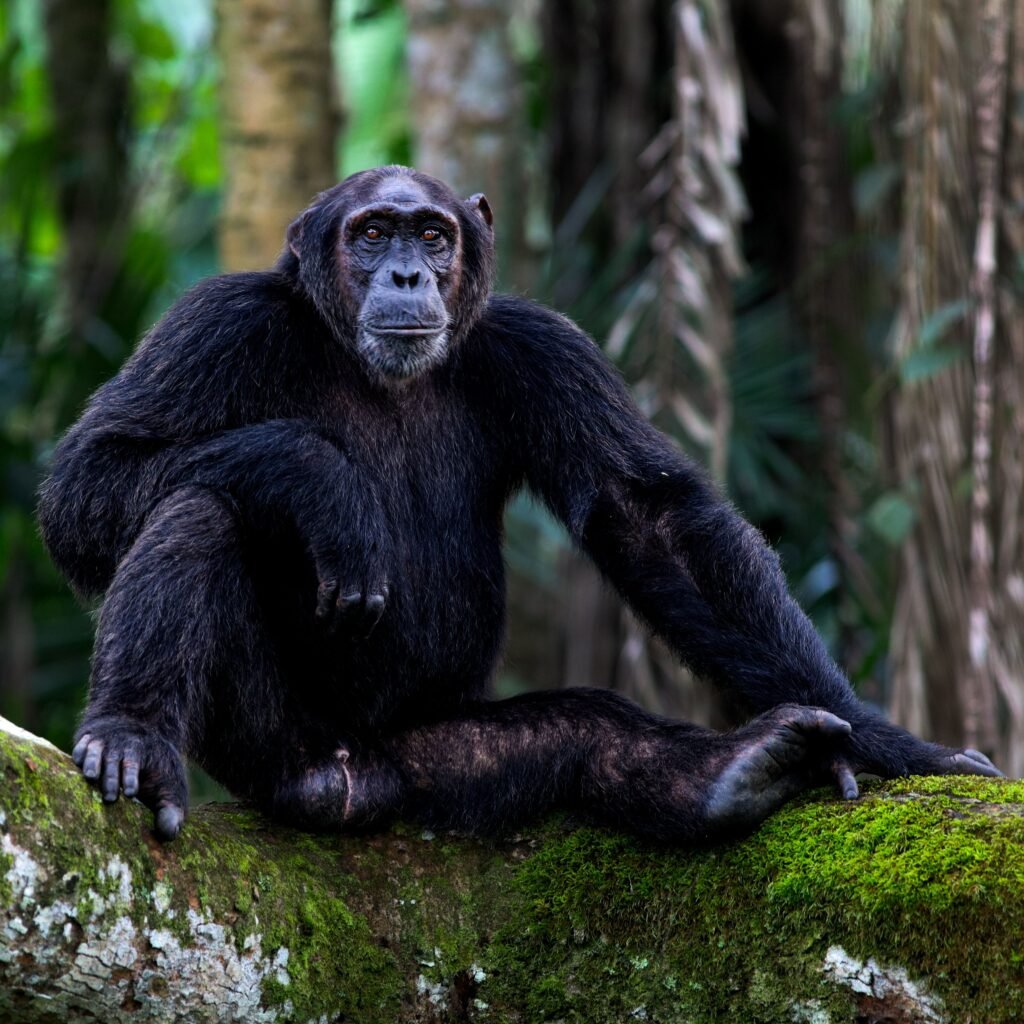
Chimpanzees are the headline attraction, but Mahale is not a zoo or a guaranteed wildlife encounter. The animals are wild, and their movements change with feeding patterns, weather and forest conditions. Guides and park staff use their knowledge of the terrain and chimpanzee communities to locate them, but visitors may need to walk for a considerable time. The trek can be physically demanding, especially on steep or humid trails, so travellers should be prepared for uneven ground and changing conditions.
Other wildlife adds depth to the experience. The forest supports several monkey species, birds and smaller mammals, while the lake environment attracts aquatic birds and offers opportunities for water-based activities where authorised. The park’s appeal is therefore broader than one close encounter. It is a place to appreciate an intact ecosystem, listen to the forest and understand how conservation protects species that depend on connected habitats.
A useful preparation step is to ask the camp what level of walking is typical for recent chimpanzee treks. No estimate can predict where the animals will be on your date, but staff can explain the terrain, humidity and footwear that visitors commonly need. If you have concerns about balance, stamina or a previous injury, discuss them before booking. It is better to plan an appropriate experience than discover on the trail that the route is unsuitable.
What to expect on a chimpanzee trek
A typical trek begins with a briefing from park staff or the authorised guide. The team explains the rules, expected walking conditions and how visitors should behave near the chimpanzees. The search may take a short time or several hours, depending on where the group is located. Trails can be steep, muddy or overgrown, and the pace is determined by the terrain and the needs of the group. Follow the guide’s instructions rather than trying to move ahead for a better photograph.
Once chimpanzees are located, viewing is controlled to protect both people and animals. TANAPA’s published guidance requires visitors to maintain at least ten metres from chimpanzees, wear a mask when close to them, avoid eating or drinking nearby and keep belongings out of their reach. Visitors who are ill should not join a trek because human infections can threaten primates. Rules can be updated, so follow the briefing provided on the day even if you have read older guidance.
Chimpanzee viewing is not a performance. The animals may feed, groom, rest, move through the forest or disappear from view. Do not call, touch, chase or attempt to attract them. Flash photography is not appropriate, and sudden movements should be avoided. A respectful encounter may feel quieter than expected, but that is part of seeing wild animals on their own terms. The guide will decide where the group can stand and when it is time to leave.
Accommodation in Mahale is closely connected to the way the park is visited. Some camps operate seasonally and organise boats, guides and meals as part of a package. Ask whether trekking fees, boat transfers and other activities are included, and whether there are additional charges for private arrangements. Confirm the location of the camp relative to the park headquarters and the likely starting point for trekking. These details help you compare offers fairly rather than judging them by room price alone.
Lake Tanganyika, forest walks and the best time to visit
Lake Tanganyika gives Mahale a second identity beyond chimpanzee trekking. The clear freshwater shoreline can provide opportunities for swimming, kayaking, snorkelling or boat excursions where the camp and conditions allow. After a forest walk, time beside the lake can be a welcome change of pace. Ask about safety, boat availability and equipment before arrival, and follow local advice about water conditions. Not every activity is available at every property or in every season.
Mahale’s climate is influenced by its lake and mountain setting. Rainfall can affect trail conditions, visibility and access, while drier periods may make some journeys easier. There is no single month that guarantees a chimpanzee sighting. The right time depends on your priorities, the camp’s operating season, transport schedules and the conditions at the time. Check current park information and confirm that accommodation and transfers are operating before making non-refundable travel arrangements.
Plan at least several nights if possible. A longer stay provides more than one opportunity to trek and gives the journey a less hurried rhythm. It also makes sense when travel to the park involves flights, road transfers or a boat journey. Travellers with only one night may spend much of the trip moving between transport points. For a remote destination such as Mahale, time on the ground is an important part of the value.
Because Mahale is remote, travellers should consider what happens if a flight or boat transfer is delayed. Avoid scheduling an international departure immediately after a connection from the park, and allow a buffer night in Kigoma or another suitable location if the route requires it. Keep essential medication and documents with you, and make sure the operator has current contact details. A little extra time can protect the whole journey from a minor transport disruption.
How to reach Mahale and prepare responsibly
Mahale is remote and does not have the straightforward road access of parks near Arusha. Routes can involve a flight to western Tanzania, a road transfer from Kigoma or another access point, and a boat connection to the park or camp. TANAPA also describes charter flights to Mahale Airstrip. The practical route depends on the season, accommodation and available services. Confirm each transfer as one connected itinerary rather than booking separate legs without checking how they fit together.
Pack for forest walking as well as lake relaxation. Closed shoes with good grip, lightweight long trousers, breathable layers, insect repellent, sun protection and a small daypack are useful. Protect cameras and phones from humidity and rain. Keep luggage within the allowance of any light aircraft used, and ask the operator whether soft bags are required. Carry essential medication and documents with you rather than placing them in checked luggage.
Mahale’s chimpanzees are vulnerable to human disease and disturbance. Visitors should never trek when sick, litter, feed wildlife or ignore distance rules. Keep noise low and allow the animals to decide how they move through their habitat. Choose accommodation and operators that follow park procedures and support responsible tourism. Tanzania Beauty Safaris can help coordinate a route that gives adequate time for transport, trekking and the lake environment while respecting the park’s conservation requirements.
Visitors should approach Mahale with a flexible attitude because the forest is a living environment, not a viewing circuit with fixed stops. Rain can change the feel of a trail, chimpanzees may travel between valleys and the guide may need to adjust the route during the day. Wear clothes that can get damp and muddy, carry only what is useful and listen carefully to the briefing. The time spent walking is part of the experience, even before the chimpanzees are located.
Frequently asked questions
Where is Mahale Mountains National Park?
Mahale is in western Tanzania on the eastern shore of Lake Tanganyika, in Kigoma Region.
Can I guarantee seeing chimpanzees in Mahale?
No. Guides track wild chimpanzees, but sightings depend on their movements and forest conditions.
How difficult is chimpanzee trekking?
It can involve steep, humid and uneven forest trails. Fitness and footwear matter, and walking time varies.
How many days should I spend in Mahale?
Several nights are preferable because access is remote and more than one trekking opportunity can make the journey worthwhile.
Plan your Tanzania journey
Tanzania’s parks reward careful planning. Match travel time, accommodation location and activities to the experience you want rather than trying to fit too many distant places into one itinerary. Tanzania Beauty Safaris can help you compare routes and arrange a private journey with realistic transfer times and park activities.
Chimpanzee trekking is also an opportunity to learn about the relationship between wildlife tourism and conservation. Visitor fees and responsible operations can support protected-area management, but the most important contribution guests make is to follow the rules. Do not visit when ill, do not leave rubbish, and never pressure a guide to shorten the required distance. A quiet encounter in which the chimpanzees continue feeding or grooming naturally is more valuable than a close photograph that disturbs them.