
Gombe Stream National Park is a small but internationally important protected area on the eastern shore of Lake Tanganyika in western Tanzania. Its forested hills are closely associated with wild chimpanzees and the pioneering long-term research that brought global attention to their behaviour. A visit combines a guided forest trek with a lakeside setting, making Gombe very different from Tanzania’s vehicle-based savannah safaris.
The park covers a compact area compared with large national parks, but its ecological and scientific importance is considerable. Tanzania National Parks describes Gombe as the home of chimpanzees, while its history is closely linked to the work of primatologist Jane Goodall. Travellers should plan carefully because reaching the park involves travel to Kigoma and a boat transfer along Lake Tanganyika. Tanzania Beauty Safaris recommends allowing enough time for transport and a meaningful stay.
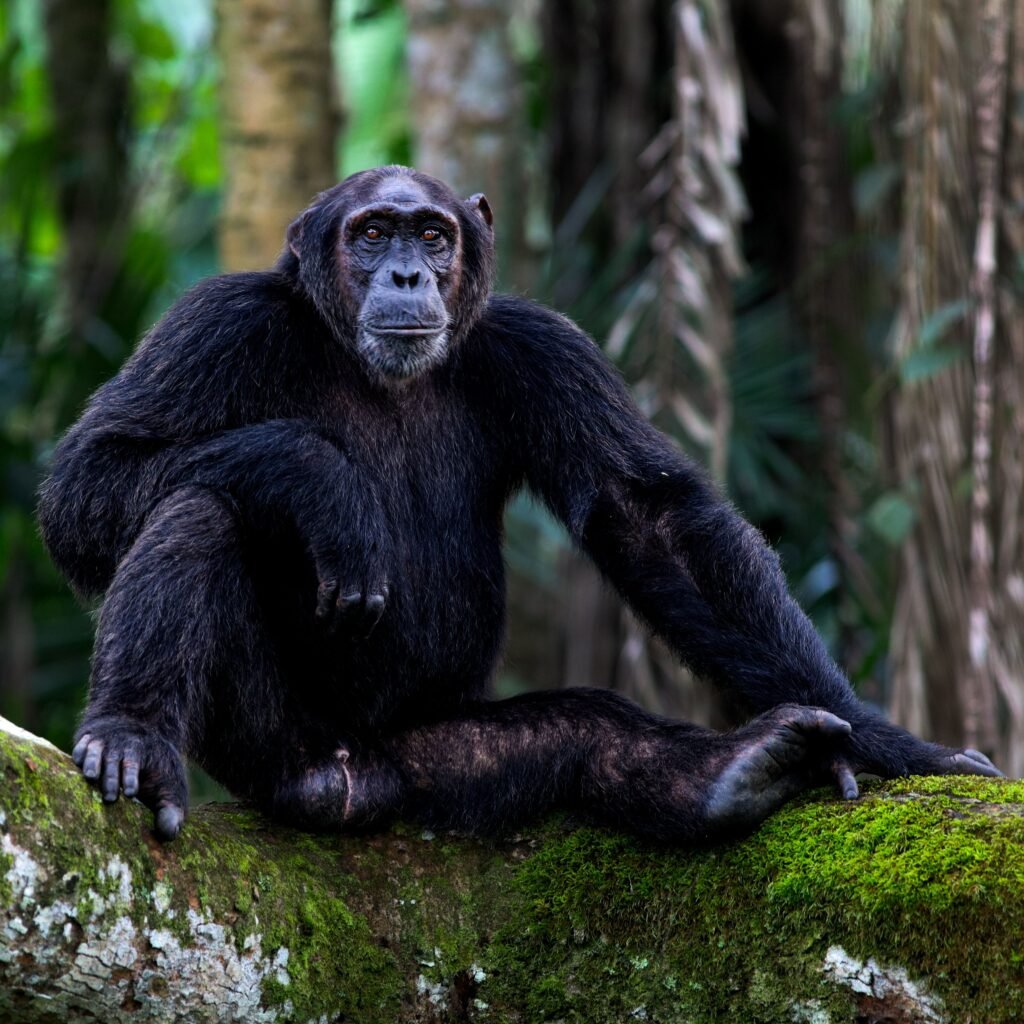
Gombe’s landscape and conservation history
Gombe’s steep, forested slopes descend towards Lake Tanganyika, creating a narrow but varied habitat. Streams cut through the hills, and vegetation changes with elevation and local conditions. The park’s small size makes it possible to understand its geography over a visit, but walking routes can still be challenging. The terrain is not a flat nature trail; visitors should expect climbs, roots, uneven ground and humid conditions during some periods of the year.
The park became internationally known through Jane Goodall’s research, which began in the 1960s and transformed scientific understanding of chimpanzee behaviour. Long-term observation revealed complex social relationships, tool use, family bonds and individual differences. Gombe’s story is therefore not only about tourism. It is also about the value of protecting a habitat where scientists have been able to study wild primates over many decades. Visitors gain a stronger appreciation of the park when they understand this history.
Chimpanzees remain the main attraction, but Gombe also supports other primates, forest birds and a range of smaller wildlife. The lake provides a striking contrast to the forest, with opportunities to appreciate the landscape from the shore or boat. The experience is intimate and focused: rather than travelling across a huge savannah in search of many large mammals, visitors spend time understanding a forest ecosystem and the animals that live within it.
The park’s small size should not lead visitors to underestimate the physical effort involved. The trail may rise sharply from the lakeshore, and humid conditions can make a moderate climb feel demanding. Take the guide’s advice about pace, footwear and rest breaks. If you are travelling with someone who has limited mobility, ask the park whether a chimpanzee trek is suitable before confirming the trip, rather than assuming that every visitor can follow the same route.
Chimpanzee trekking and visitor rules
Chimpanzee trekking is conducted with authorised guides who know the terrain and help locate habituated communities. The trek can vary in length because chimpanzees move through the forest to feed, rest and socialise. Visitors should be prepared to walk uphill and downhill, sometimes on slippery or narrow paths. A moderate level of fitness is helpful, and anyone with mobility or health concerns should discuss the demands of the activity before booking.
Rules are essential because chimpanzees can be vulnerable to human respiratory and other infections. TANAPA guidance sets minimum viewing distances and limits the number of visitors close to a group. It also prohibits eating near the chimpanzees and requires visitors to follow instructions on masks and hygiene. Anyone who feels unwell should tell the park team and should not assume that a paid permit overrides health precautions. The rules in the official briefing on the day take priority over general travel advice.
Keep your voice low, avoid sudden movements and never try to touch, feed or call a chimpanzee. Do not block the animals’ path or move closer for a photograph. Flash photography should not be used. The guide decides where the group may stand and how long the viewing can continue. These limits protect the chimpanzees and help maintain a safe, respectful experience for visitors. A good encounter is one in which the animals continue their natural behaviour without being pressured by people.
The research history gives the park a special educational dimension. Visitors can learn how long-term observation changed the scientific understanding of chimpanzee communities and why protecting individual animals and their habitat matters. If interpretation or a visitor information session is available, allow time for it rather than treating the trek as the only reason to visit. The story of Gombe connects wildlife behaviour, field research and conservation in a way that adds context to the forest experience.
Best time to visit and what else to do
Weather affects forest walking and lake travel. Drier conditions can make trails easier, while wetter periods may bring lush vegetation and more challenging footing. Chimpanzee locations change independently of a visitor’s preferred travel dates, so no month guarantees a close encounter. Check current park and transport information before confirming the trip, especially if you are travelling during a period when rain may affect boat operations or access roads around Kigoma.
Although chimpanzee trekking is the central activity, Gombe also offers opportunities for birdwatching, forest walks and time beside Lake Tanganyika. The lake is one of Africa’s great freshwater environments, and its clear water and steep shoreline create memorable scenery. Swimming or other water activities should only be undertaken where permitted and after checking local safety advice. A quiet afternoon by the lake can balance the physical effort of a morning trek.
One or two nights may be possible for a tightly planned visit, but additional time gives the journey more flexibility. A longer stay can provide more than one chance to trek and reduce the pressure of making a boat transfer immediately after an activity. Gombe is best treated as a dedicated western Tanzania experience rather than squeezed into a short northern circuit itinerary.
Boat transfers on Lake Tanganyika should be planned with the same care as flights. Confirm the departure point, expected duration, luggage arrangements and what happens if weather delays the crossing. If you are travelling with children or anyone who is uncomfortable on boats, discuss the conditions with the operator before booking. Keep valuables and electronics protected from water, and do not assume mobile phone coverage will be reliable throughout the journey.
Birdwatchers can also make good use of quieter moments between treks. Bring binoculars and ask the guide about forest species, lake-edge birds and the calls heard along the trail. Observing the wider habitat gives the visit depth even when chimpanzees are resting out of sight.
Getting to Gombe and planning your visit
Most visitors travel first to Kigoma, then continue by boat along Lake Tanganyika to the park. The boat journey is an important part of the route and must be arranged with reliable local operators or through the accommodation and park contacts. Departure times, lake conditions and transfer arrangements can affect the schedule. Do not assume that a flight arrival and a same-day boat departure will connect without confirmation and a suitable buffer.
Accommodation options are limited compared with major safari regions. Confirm whether your stay is inside or near the park, how meals are arranged, what boat transfers are included and how trekking permits are handled. Ask whether the camp can store luggage that is not needed for the forest trek. Pack lightly for the boat and walking sections, and protect electronics and documents from spray or rain.
Bring comfortable walking shoes with grip, long lightweight trousers, a breathable shirt, insect repellent, sun protection and drinking water for use when permitted away from chimpanzees. Follow all instructions about food, rubbish and personal belongings. Gombe’s value depends on careful conservation and responsible visitor behaviour. Tanzania Beauty Safaris can help plan the Kigoma connection and park stay so that travel time, trekking and lake activities fit together realistically.
Gombe is a destination where the quality of the visit depends on patience and preparation. The forest can be steep, and a trek may involve a slow climb followed by periods of waiting while guides listen for calls or check recent signs. Lightweight clothing that covers the skin, shoes with dependable grip and a small amount of water for use away from the chimpanzees are sensible choices. Ask the park team what can be carried during the trek and follow all restrictions near the animals.
Frequently asked questions
What is Gombe Stream National Park famous for?
Gombe is famous for wild chimpanzees and the long-term research associated with Jane Goodall.
How do I get to Gombe?
Visitors generally travel to Kigoma and continue by boat along Lake Tanganyika. Confirm the transfer schedule before booking flights.
Is chimpanzee trekking guaranteed?
No. Guides search for wild chimpanzees, but their location and visibility vary.
Is Gombe suitable for children?
Chimpanzee-viewing rules include age restrictions. Check the latest TANAPA guidance and the operator’s policy before planning a family visit.
Plan your Tanzania journey
Tanzania’s parks reward careful planning. Match travel time, accommodation location and activities to the experience you want rather than trying to fit too many distant places into one itinerary. Tanzania Beauty Safaris can help you compare routes and arrange a private journey with realistic transfer times and park activities.
Because Gombe is a small protected area with limited accommodation, it is wise to secure the main arrangements before travelling to Kigoma. Confirm the park entry and chimpanzee trekking process, the number of nights, meal arrangements and the return boat. If you have a tight onward flight, allow a buffer rather than relying on a same-day connection. Tanzania Beauty Safaris can help coordinate the ground arrangements, but the final trekking rules and wildlife decisions remain with park authorities.