Lake Natron is one of northern Tanzania’s most distinctive landscapes, where flamingo habitat, volcanic scenery and the Rift Valley meet. This guide explains what makes the area worth visiting and how to plan enough time for its lakeshore, waterfalls and mountain views.
The landscape and wildlife around Lake Natron
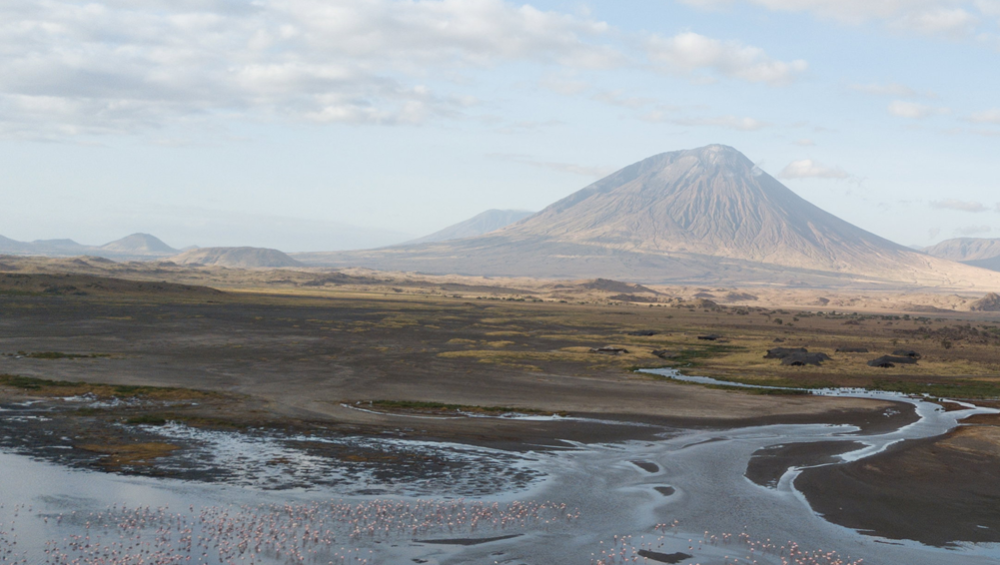
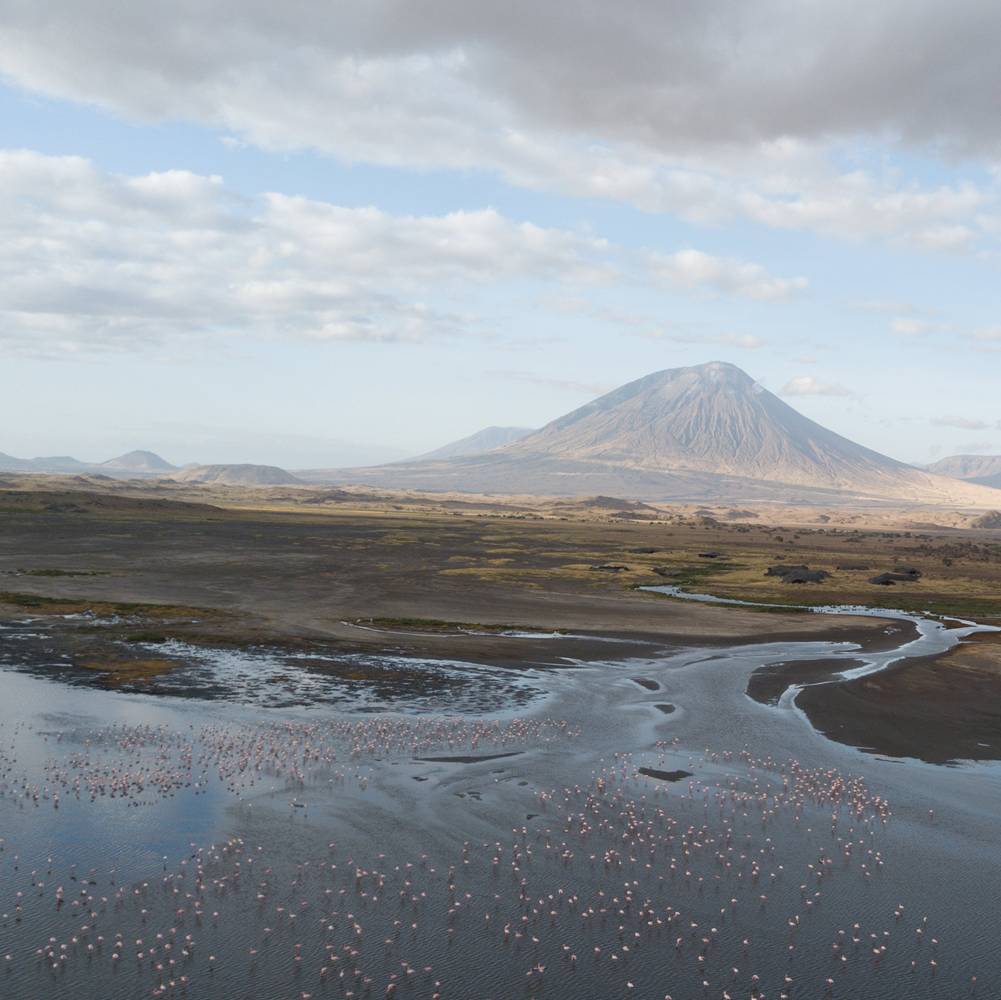
Lake Natron lies in the remote Rift Valley of northern Tanzania, close to the Kenyan border and beneath the steep western escarpment of the Gregory Rift. The first impression is often the scale of the landscape: a broad, pale lake basin, open volcanic ground and the imposing profile of Ol Doinyo Lengai rising above the eastern shore. This is a very different setting from the grasslands of the Serengeti or the woodland of Tarangire. The scenery is shaped by volcanic activity, seasonal water and high evaporation, creating a stark environment that changes colour and character with the light. For travellers who want to understand the variety of northern Tanzania, Natron adds a landscape that cannot be experienced on a conventional circuit alone.
The lake is famous for its lesser flamingos, which use its shallow, alkaline waters as an important feeding and breeding habitat. The algae and microscopic organisms that thrive in the lake support these birds, and their numbers and distribution vary with water levels and conditions. Visitors should not expect a fixed spectacle at one particular viewpoint: flamingos may gather in different parts of the lake, and access depends on the season, the state of the tracks and local guidance. The lake is also a sensitive ecosystem. Its highly alkaline water and exposed shoreline are not suitable for swimming, and visitors should follow their guide’s advice rather than approaching bird colonies or entering restricted areas.
Beyond flamingos, the wider Natron landscape supports birds adapted to dry country, small mammals and livestock belonging to local communities. The contrast between the lake shore and the surrounding volcanic slopes is part of the experience. A safari here is less about ticking off a long list of large mammals and more about reading the landscape, watching birds and learning how life persists in a demanding environment. Tanzania Beauty Safaris recommends Lake Natron to travellers who value unusual scenery, photography and a slower journey through the northern Rift Valley. It is best planned as a dedicated two-night or longer extension rather than squeezed into a rushed transfer between major parks.
Ngare Sero Waterfalls and Ol Doinyo Lengai
The Ngare Sero Waterfalls offer a striking contrast to the dry lake basin. Water flows through a narrow gorge cut into the volcanic landscape, creating shaded pools, rock passages and a cooler environment than the open plain. Reaching the falls involves a guided walk along the river, with sections that can require stepping over rocks or wading through shallow water. Conditions vary, especially after rain, so suitable footwear and a willingness to get wet make the walk more enjoyable. The guide is important not only for finding the route but also for assessing the river and choosing a safe approach. Visitors should not treat the walk as a casual roadside stop; it is an active excursion that deserves time and sensible preparation.
Ol Doinyo Lengai, whose name is commonly translated from Maa as the Mountain of God, is an active volcano and a defining feature of the Natron skyline. Its unusual natrocarbonatite lava has attracted scientific interest because it is cooler and more fluid than the silicate lava associated with many other volcanoes. Climbing the mountain is a demanding overnight or early-morning undertaking, not a short viewpoint walk. The route is steep, exposed and physically strenuous, and volcanic conditions can change. Anyone considering an ascent should arrange an experienced local guide, check current conditions and be realistic about fitness and altitude. An eruption history and active status mean that access should never be assumed; local authorities and guides must determine whether a climb is appropriate.
Travellers do not need to climb Lengai to appreciate its presence. Sunrise and late afternoon often bring out the mountain’s contours, while changing cloud and light can transform the view across the Rift Valley. A well-planned Natron stay can combine a guided waterfall walk, time along selected lake viewpoints and relaxed observation of the surrounding landscape. If the climb is a priority, add enough nights to avoid making the rest of the itinerary dependent on a single weather window. Tanzania Beauty Safaris can help shape the stay around the activities that matter most, while keeping the schedule flexible enough for local conditions and the pace of the journey.
When to visit Lake Natron and how to plan the journey
Lake Natron can be visited in different seasons, but the experience changes with rainfall, road conditions, lake levels and bird movements. Drier periods generally make some tracks easier to negotiate and can provide clearer views across the basin, while the green season brings a different atmosphere, with more vegetation and the possibility of dramatic skies. Flamingo distribution is influenced by ecological conditions rather than a simple calendar promise, so no responsible itinerary should guarantee a particular number of birds on a particular date. If flamingos are the main reason for travelling, build flexibility into the schedule and ask for current local information before confirming the route.
The journey is part of the Natron experience. From Arusha, the route crosses varied northern landscapes and can be combined with destinations such as Tarangire, the Ngorongoro highlands or the Serengeti, depending on available time. Road travel is slower than the distance on a map may suggest, particularly on rough or corrugated sections. A suitable four-wheel-drive safari vehicle, an experienced driver-guide and realistic transfer times are essential. Travellers should avoid planning a long game drive and a demanding activity on the same day as an extended transfer. Two nights at Natron usually allow time for the lake and waterfall walk; three nights provide more room for a Lengai climb or a less hurried visit.
Accommodation in the area is generally smaller in scale than the established lodge regions of the northern circuit. Camps and lodges vary in comfort, facilities and location, so it is worth checking what is included, whether meals are provided and how far the property is from the activities you intend to do. Pack sun protection, a hat, sturdy walking shoes, a refillable water bottle and clothing suitable for dusty roads and cooler evenings. The lake is not a swimming destination, and visitors should respect local customs and community guidance around the shore. Tanzania Beauty Safaris can include Natron in a private northern Tanzania itinerary, matching the number of nights to the route rather than treating it as a quick detour.
Lake Natron’s ecology, climate and seasonal conditions
Lake Natron is a shallow, highly alkaline lake in the Gregory Rift, beneath the dramatic escarpments and volcanic landscape of northern Tanzania. Its chemistry is shaped by mineral-rich water flowing into a basin with high evaporation and limited outflow. The resulting conditions are too extreme for many aquatic organisms, but specialised microorganisms thrive and can contribute to the lake’s striking red, pink and orange tones. These colours vary with water depth, salinity, light and biological activity; they are not a permanent surface colour. The lake is an important breeding area for lesser flamingos in East Africa, which makes its ecology significant well beyond its dramatic appearance.
Conditions around the lake can be hot and exposed, with little shade on open ground. Temperatures, dust and road conditions affect how comfortable a visit feels, while rainfall can change access tracks and the appearance of the lake margin. Visitors should carry sufficient drinking water, sun protection and footwear suitable for rough or muddy ground. The alkaline water is not suitable for swimming, and guests should not enter the lake or handle its crusts without explicit guidance from authorised local staff. Keep a respectful distance from flamingos and other birds, especially around breeding areas, and follow restrictions on where vehicles and visitors may go.
Ol Doinyo Lengai dominates the surrounding landscape and is an active volcano with a distinctive geological character. Its name is commonly translated as the Mountain of God in the Maa language. Climbing it is a demanding activity, usually undertaken at night to reduce exposure to daytime heat, and it requires a separate guide, suitable fitness and careful attention to current volcanic and weather conditions. A Lake Natron safari does not automatically include a summit climb. Travellers who want to add it should discuss the extra night, start time, equipment and contingency arrangements before confirming the wider itinerary.
Road conditions, heat and preparation for Lake Natron
Reaching Lake Natron is part of the experience, but the journey needs more planning than a short transfer between established northern-circuit towns. Road surfaces and travel times can vary with recent rainfall, and the final approach may be rough in places. A private 4×4 with a driver who knows the route is a sensible choice, particularly for visitors combining the lake with other remote destinations. Before departure, confirm the expected driving time, fuel and water arrangements, the condition of the road and whether the itinerary includes stops along the way. Travellers should avoid scheduling a tight connection or an important international flight immediately after returning from the Natron area.
Heat and exposure are important practical considerations around the lake. Carry sufficient drinking water, wear a hat and comfortable walking shoes, and use sun protection even when cloud cover makes the temperature feel lower. The salt-crusted shoreline can be uneven, and visitors should follow local guidance about where it is safe to walk. Swimming or wading should only take place where it is specifically permitted and considered safe; the lake’s alkaline water is not a normal freshwater swimming environment. For the Ngare Sero gorge, use a local guide and take care on wet rocks and stream crossings. These precautions help keep the visit enjoyable without underestimating the conditions.
Planning your safari with Tanzania Beauty Safaris
Lake Natron can be combined with other northern-circuit destinations; compare the route with our Arusha National Park guide and Tarangire safari guide.
Tanzania Beauty Safaris can help you plan a private safari that fits your travel dates, preferred pace and interests. Share your arrival point, available nights and the experiences that matter most, and we can recommend a practical route with suitable accommodation and realistic transfer times.