
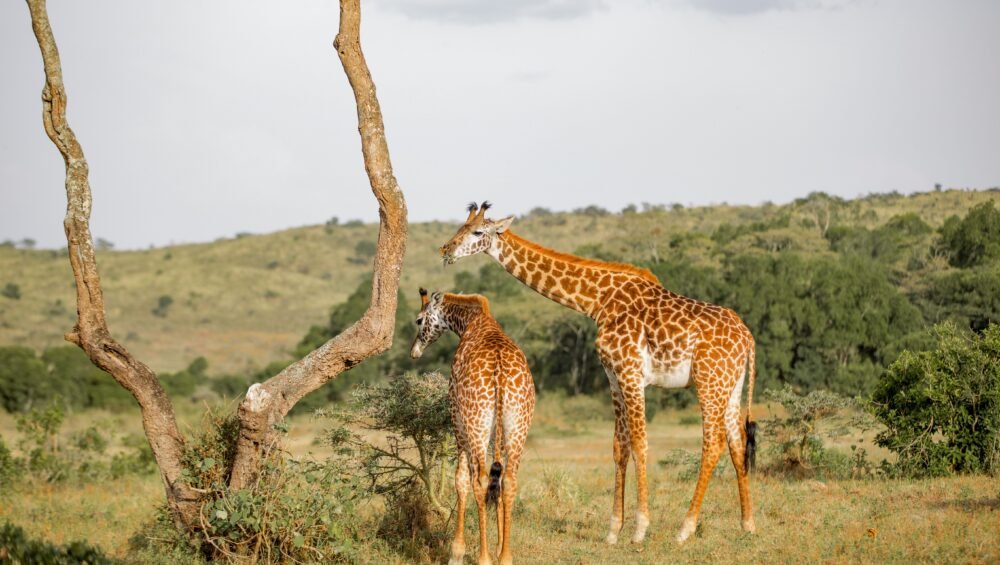
A descent into Ngorongoro Crater is one of the most distinctive days on a northern Tanzania safari. From the crater rim, the land falls away into a broad volcanic caldera, with grassland, woodland, swamps and a soda lake forming a compact but varied wildlife landscape below. The scale is difficult to appreciate from a photograph: the crater floor is wide enough to hold several different habitats, yet enclosed by steep walls that give the area a strong sense of place. For visitors, this creates an unusual combination of dramatic scenery and the possibility of seeing a wide range of wildlife during a single game drive.
The crater is not a zoo or a place where every animal is guaranteed to appear. Wildlife moves between habitats, vegetation affects visibility and sightings depend on the time of day and recent conditions. However, the permanent water and varied feeding areas support resident populations of many large mammals throughout the year. Lions, elephants, buffalo, zebra, wildebeest, hippos and several antelope species may be seen, while the crater is also one of the places in Tanzania where visitors have a chance of encountering the endangered black rhinoceros.
A Ngorongoro visit is often combined with Serengeti, Tarangire or Lake Manyara. It is important to plan the crater day carefully because descent and ascent times, conservation-area regulations and the location of overnight accommodation all affect the schedule. Tanzania Beauty Safaris helps travellers understand these practical details before confirming a route, so the crater is experienced as a full wildlife destination rather than a hurried stop on a long transfer.
How the Ngorongoro Crater Was Formed and Why Its Habitats Matter
Ngorongoro Crater is a large volcanic caldera formed when a major volcano collapsed after an eruption and the loss of support beneath its summit. Over geological time, the crater floor developed into a mosaic of grassland, marsh, woodland, freshwater pools and the shallow, mineral-rich waters of Lake Magadi. The surrounding highlands form a steep rim that rises above the floor and influences local weather, vegetation and the movement of animals. This geological history is not merely background scenery; it helps explain why the crater contains such a varied set of habitats within a relatively confined area.
The open grasslands provide grazing for zebra, wildebeest and other herbivores, while marshes and pools offer water and feeding opportunities for hippos and waterbirds. Lerai Forest and other wooded patches provide shade and browse for elephants and habitat for smaller species. The lake attracts flamingos and other birds when water and food conditions are suitable, although bird numbers and colour can change with water levels and seasonal conditions. A game drive across the floor therefore moves through different ecological settings rather than one uniform plain.
The crater’s enclosed geography contributes to its reputation for reliable wildlife viewing, but it should not be confused with a guarantee of seeing every sought-after species. Some animals use the crater floor regularly, while others move between the floor and surrounding highlands or remain in thick vegetation. Black rhinos are present but naturally elusive, and visitors may see them at a considerable distance or not at all. Leopards are also difficult to find in the crater compared with more open species. A guide’s knowledge of habitat and recent sightings helps, but patience and realistic expectations remain important.
The wider Ngorongoro Conservation Area is much larger than the crater itself and includes highland forest, volcanic landscapes, grasslands and areas used by pastoral communities. The crater is one part of this larger protected landscape. This distinction matters when planning a safari: a visit to the crater floor is a specific activity within the conservation area, while other routes may explore the highlands or connect to Ndutu and the Serengeti ecosystem. Understanding the difference helps travellers make sense of the itinerary and the conservation fees associated with the visit.
Wildlife to Look For on a Ngorongoro Crater Game Drive
The crater is well known for its large mammals, particularly the herbivores that use its grasslands and water sources. Zebra and wildebeest are commonly seen feeding in open areas, while buffalo may gather in large groups. Grant’s and Thomson’s gazelles, waterbuck and other antelope add variety to the plains. Elephants are often associated with wooded areas and may be encountered moving through Lerai Forest or near the crater slopes. Their presence can be particularly memorable because large bulls sometimes move through the forest with little warning, while younger animals remain close to adults.
Lions are among the most frequently sought-after predators in Ngorongoro. The crater supports resident prides, and open terrain can sometimes make them easier to observe than in dense woodland. Yet lions may rest for long periods, lie in grass or move away from the main roads. Spotted hyenas are also an important part of the ecosystem and can be seen moving across the floor or near the remains of a kill. Golden and black-backed jackals may appear around grazing herds, while serval cats and other smaller carnivores are more elusive. Predators are part of the natural balance, not a scheduled attraction.
The black rhinoceros is a major conservation symbol of Ngorongoro. The crater provides habitat for this critically endangered species, and visitors sometimes see individuals grazing on the open floor. Sightings are never certain, and guides must respect the rules that protect rhinos from disturbance. It is important not to pressure a driver to leave authorised routes or approach too closely for a photograph. The opportunity to see a rhino, if it occurs, is best appreciated as a privilege rather than an entitlement.
Birdlife adds another layer to the crater experience. Flamingos may gather at Lake Magadi when conditions are favourable, while other waterbirds use the lake edges, marshes and pools. Ostriches and secretarybirds can be seen in open country, and raptors may circle above the grasslands. The variety of habitats means that a day in the crater can interest birdwatchers as well as visitors focused on large mammals. Binoculars are useful, particularly when animals are at a distance or when identifying birds around the water.
When to Visit Ngorongoro and What Changes Through the Year
Ngorongoro Crater can be visited throughout the year because many resident animals remain within the crater ecosystem. The dry season, broadly June to October, often brings clearer conditions and shorter grass in some areas, which can make wildlife easier to spot. Roads may be dusty, and mornings on the rim can be cold because of the elevation. Visitors should bring a warm layer for the early descent, even if the crater floor becomes warm later in the day. The dry season is popular, so accommodation around Karatu and the conservation area should be reserved in advance.
The green season, particularly the months around November to May, changes the appearance of the crater. Rain encourages grass growth, the surrounding highlands become greener and birdlife can be especially rewarding. The scenery is often dramatic, with clouds moving across the rim and patches of sunlight illuminating the crater floor. Rainfall can make some tracks slower or muddy, and visibility may change with vegetation. These conditions do not make the crater unsuitable for a safari; they simply require flexibility and suitable clothing.
There is no single month that guarantees the best experience for every visitor. Photographers may prefer the softer light and greener scenery of the rainy months, while travellers focused on clear road conditions and easier visibility may favour the dry season. Families or visitors on a tight schedule may prioritise the reliability of a crater visit within a broader route. Because wildlife is resident, the decision can be based on comfort, scenery and the rest of the itinerary rather than a narrow migration window.
The timing of the game drive matters as well. Many itineraries descend in the morning and spend much of the day on the crater floor before ascending in the afternoon. The exact schedule is influenced by conservation-area rules and the operator’s arrangements. Starting early can provide cooler conditions and a quieter beginning to the drive, while allowing enough time to explore different habitats. Travellers should confirm how long the planned crater visit will last and whether lunch is arranged as a picnic inside the conservation area or at another location.
Planning the Crater Visit, Accommodation and Northern Circuit Route
Most visitors explore Ngorongoro Crater as a full-day game drive, staying the previous night in Karatu, on the crater rim or elsewhere in the conservation area. Karatu is a practical base for many road itineraries because it offers a range of lodges and provides access to the main approach to the crater. Staying on or near the rim can offer dramatic views and reduce some early-morning travel, but accommodation options and prices differ. The right choice depends on budget, preferred setting and the destinations before and after the crater.
The crater visit should be fitted into the wider journey with realistic transfer times. From Arusha, the drive to the Ngorongoro area takes several hours depending on road and traffic conditions. Travellers continuing to Central Serengeti may spend much of the day travelling after the crater visit, so it is often more comfortable to stay overnight in Karatu or the conservation area and continue the following morning. If the itinerary includes Tarangire or Lake Manyara, the order can be adjusted to reduce backtracking and create a more balanced pace.
A safari quotation should state whether conservation-area fees, crater service fees, meals, accommodation and transfers are included. These charges can make a meaningful difference to the total cost, so comparing only the room rate or headline safari price can be misleading. Travellers should also confirm the vehicle type, whether the safari is private, the expected start time and the arrangements for lunch. If a specific lodge is important, ask for its exact name and location rather than accepting a broad description such as ‘Ngorongoro accommodation’.
The crater road descends from the rim to the floor and climbs back out after the game drive. The route is steep in places, and the vehicle must be suitable for the conditions and authorised for the area. Visitors should follow the guide’s instructions, remain inside the vehicle except at designated areas and avoid feeding or approaching wildlife. Tanzania Beauty Safaris explains the day’s sequence in advance, including the early departure, game-drive time, picnic arrangements and overnight location, so guests know what to expect.
Frequently Asked Questions About a Ngorongoro Crater Safari
How long do you spend inside Ngorongoro Crater?
A typical visit is planned as a substantial game-drive day, with the exact hours shaped by conservation-area rules, entry arrangements and the itinerary. Many visitors descend in the morning, explore the crater floor and ascend later in the day. Confirm the planned schedule with your operator.
Can you see the Big Five in Ngorongoro Crater?
The crater is one of the places in Tanzania where visitors may have an opportunity to see all five traditionally named Big Five species: lion, leopard, elephant, buffalo and rhinoceros. However, no sighting is guaranteed. Leopards and black rhinos can be particularly difficult to find.
Is Ngorongoro Crater worth visiting?
For many travellers, yes. Its volcanic scenery, varied habitats and resident wildlife make it a distinctive destination, particularly when combined with the Serengeti or Tarangire. The crater offers a different landscape from the open plains and river systems found elsewhere on the northern circuit.
Where should I stay before visiting the crater?
Karatu is a practical base for many itineraries, while lodges on or near the crater rim offer a different setting and may reduce the early transfer. The best option depends on budget, route and whether you are continuing to the Serengeti, Lake Manyara or Tarangire.
Can Ngorongoro be combined with Serengeti?
Yes. The crater is commonly combined with Central Serengeti, and longer itineraries may also include Tarangire, Lake Manyara or Ndutu. Allow enough time for the road journey so that the crater day does not become an exhausting transfer day.
The crater is also suitable for travellers with a wider interest in geology, landscapes and conservation. Even when a particular animal is not visible, the changing views across the caldera, the crater rim and the different vegetation zones provide a strong sense of the place. Visitors should allow time to listen to the guide’s explanation of the area’s volcanic history and conservation status. This adds depth to the day and helps explain why the crater is protected as part of a much larger conservation landscape.
Arrange Your Ngorongoro Crater Safari with Tanzania Beauty Safaris
A visit to Ngorongoro is most enjoyable when the crater day is planned as a central part of the itinerary. The landscape is compact compared with the Serengeti, but the range of habitats and wildlife deserves time. Whether you are hoping to see lions on the grasslands, elephants in the forest, hippos in the marshes or the crater’s birdlife, the experience is shaped by the guide’s knowledge and the time available on the floor.
Tanzania Beauty Safaris can include Ngorongoro Crater in a private northern circuit safari or arrange it as part of a wider journey from Arusha or Zanzibar. We can help select accommodation in Karatu or near the rim, plan the route to the next park and explain which fees and services are included. When requesting a quotation, share your dates, group size, preferred accommodation level and other parks you hope to visit.
If you would like to visit Ngorongoro, tell us whether you want a focused crater safari or a longer northern Tanzania journey. We will help build a route with realistic travel times and enough space for the game drive, while making clear that wildlife sightings remain natural and cannot be guaranteed.
For a wider northern-circuit itinerary, compare the crater with our Tarangire National Park safari guide and Serengeti migration guide.
When comparing itineraries, pay particular attention to the night before the crater visit and the night after it. These two accommodation choices determine how early the vehicle can reach the descent road and how much additional driving follows the game drive. A plan that places a long transfer immediately after a full day on the crater floor can be tiring. Tanzania Beauty Safaris can arrange the overnight stops to create a more comfortable sequence, especially for travellers who are also visiting Serengeti or Tarangire.