Tarangire National Park has a character that becomes clearer the longer you spend in it. The first impression is often its scale: broad stretches of dry-season grassland, scattered baobabs, low rocky hills and the winding line of the Tarangire River. Yet the park is not simply an open landscape dotted with elephants. Its wildlife patterns are closely tied to water, and the contrast between the dry months and the greener season gives the same area a noticeably different feel at different times of year.
During the dry season, the Tarangire River becomes an important source of water for wildlife in the surrounding country. Elephants, zebra, wildebeest, buffalo and other animals move through the park and gather near reliable water, while predators follow the concentration of prey. In wetter months, animals disperse more widely as seasonal water and fresh grazing become available beyond the river. This seasonal movement is central to understanding Tarangire and helps explain why the park can offer particularly rewarding game viewing at certain times of the year.
For a northern Tanzania safari, Tarangire can stand on its own or form part of a route with Lake Manyara, Ngorongoro Crater and the Serengeti. The right number of nights depends on the season, the interests of the traveller and the wider itinerary. Tanzania Beauty Safaris plans Tarangire visits around realistic travel times and the changing distribution of wildlife, rather than treating the park as a brief stop between longer destinations.
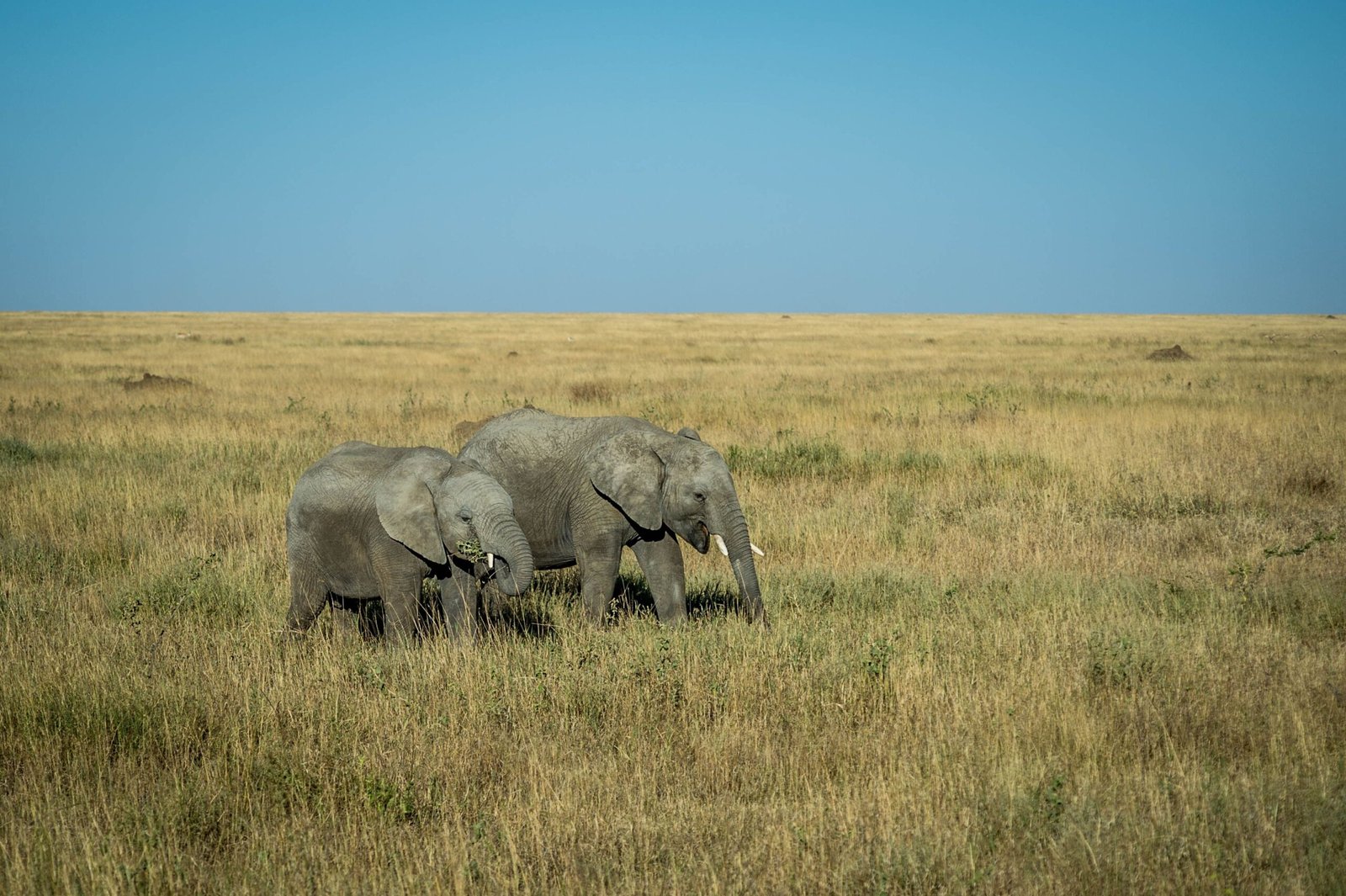
The Tarangire River, Dry-Season Wildlife and the Movement of Elephants
The Tarangire River is the ecological centrepiece of the park, particularly during the dry season. As smaller water sources across the surrounding landscape shrink, the river and its associated pools become increasingly important to animals that need to drink regularly. Wildlife moves towards these dependable sources from a wider area, and the result can be a concentration of animals along riverbanks and in nearby woodland. Visitors may see elephants approaching in family groups, zebra and wildebeest feeding on the open ground, and buffalo gathering in larger herds. The exact numbers and locations change with rainfall, so the river should be understood as a seasonal focus rather than a guaranteed viewing point on every drive.
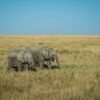
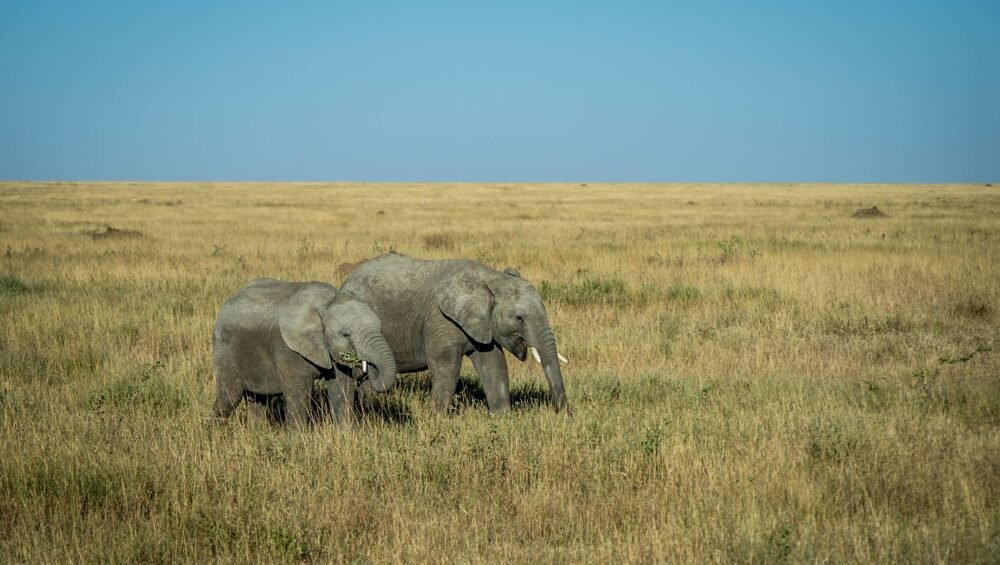
Tarangire is especially well known for elephants. Family groups travel through the park, often moving between feeding areas, shade and water. Watching elephants over time reveals more than their size: adults maintain close contact with younger animals, groups pause to feed and dust themselves, and individuals use their trunks to investigate vegetation and water. Larger bulls may be seen separately or in loose bachelor groups. Their movements are shaped by food and water availability, and a guide familiar with the park can often interpret the direction of travel without assuming that a herd will remain in one place.
The dry season, broadly from June to October, is often favoured for concentrated wildlife viewing because vegetation becomes thinner and animals are more dependent on permanent water. This can make sightings easier, but it does not mean that the park is empty or uninteresting at other times. During the green season, the landscape becomes more varied, migratory and locally moving animals may disperse, and birdlife becomes particularly rewarding. The best month depends on whether a visitor prioritises large concentrations around water, greener scenery, birding or a quieter overall experience.
Game drives along the river and through the surrounding habitats are most rewarding when the guide has time to follow animal activity rather than simply drive from one named location to another. An elephant herd may spend a long time feeding, while a group of antelope may draw attention to a predator resting in nearby shade. These encounters develop at their own pace. A good Tarangire safari leaves room to stop, observe and understand the relationships between water, vegetation and wildlife.
Baobab Landscapes, Habitats and the Park’s Wider Wildlife
The baobab is one of Tarangire’s defining features. Its thick trunk and branching crown give the landscape a distinctive outline, particularly where individual trees stand across open grassland. Baobabs are adapted to dry conditions and can store water in their trunks, while their flowers, fruit and cavities support different forms of wildlife. They are not simply scenic backdrops. They are part of the ecological character of the park and contribute to the habitats used by birds, insects and mammals. Their presence alongside riverine woodland, acacia country and open plains makes Tarangire visually more varied than a single landscape photograph might suggest.
Beyond elephants, Tarangire supports a wide range of herbivores and predators. Giraffes browse among trees, impala and other antelope use open and wooded areas, and zebra and wildebeest move through the grasslands. Buffalo may gather in substantial herds, while waterbuck are often associated with areas close to water. Lions are present in the park and may be seen resting in shade or moving through the grass. Leopards are more elusive, often associated with thicker vegetation and riverine habitat. Cheetahs are less reliably encountered than in some open plains ecosystems, so visitors should approach every sighting as a possibility rather than an expectation.
The park is also important for birdlife. Its mix of woodland, river margins, grassland and seasonal wetlands provides different feeding and nesting opportunities. Raptors may be seen scanning from trees or circling overhead, while hornbills, rollers, bee-eaters, starlings and many other species add movement and sound to a game drive. For keen birdwatchers, the green season can be particularly interesting because migratory species join resident birds and breeding activity may be visible. Even travellers whose main interest is mammals often find that the birdlife makes the slower moments between larger sightings more engaging.
Tarangire’s habitats are connected, and wildlife does not arrange itself according to the route a visitor has chosen. A morning may begin along the river, move through open country and finish in a patch of woodland where the light and visibility are quite different. The value of a guide lies partly in recognising these changes and selecting a route that fits the conditions. Rather than promising a checklist of species, an informed safari explains why animals use particular habitats and how the landscape changes through the year.
When to Visit Tarangire and How Long to Stay
The most widely recommended period for concentrated mammal viewing in Tarangire is the dry season, especially from July through October. As surface water becomes less available in the wider region, wildlife increasingly uses the Tarangire River and other dependable sources. Animals can be easier to locate, and the thinner vegetation often improves visibility. September and October can be particularly dry, although conditions vary from year to year. Travellers should also expect warm daytime temperatures and dusty roads, especially later in the dry season.
The months following the main rains bring a different experience. From around November, short rains may begin to refresh the landscape, although their timing and strength are variable. The longer rains generally fall around March to May, with local differences across the region. During wetter periods, vegetation becomes greener and animals can spread across a wider area because water is more readily available. Birdwatching can be excellent, the scenery is more lush, and the park may feel less concentrated around the river. Some tracks can become muddy or slower to travel after heavy rain, so a flexible itinerary is useful.
One full day in Tarangire can provide a worthwhile introduction, particularly when the park is part of a multi-day northern circuit safari. Two nights allow more time to explore different sections of the park and avoid compressing the experience into a single long game drive. Travellers with a particular interest in elephants, photography or birdlife may appreciate a longer stay. The right duration also depends on where the previous and following nights are spent. A route from Arusha, Manyara or Karatu should be planned with realistic transfer times and enough daylight for the intended game drives.
Tarangire is often combined with Lake Manyara and Ngorongoro, or used as the first or final park on a longer northern circuit. The order can be adjusted according to flight arrival times, accommodation availability and the month of travel. It is worth asking whether a quoted itinerary includes a full game drive on arrival or whether most of that day is allocated to driving. Tanzania Beauty Safaris can recommend a practical number of nights based on the travel dates and the wider route, while explaining the trade-off between spending longer in one park and visiting several destinations.
Planning Accommodation, Routes and a Comfortable Safari
Tarangire accommodation ranges from lodges and tented camps inside or close to the park to properties in the surrounding area. Location influences how quickly a vehicle can reach the main game-drive areas, whether early starts are practical and how much time is spent travelling between the lodge and the park. A property outside the park may offer a different price or setting, but guests should understand the transfer involved and whether the daily schedule allows enough time for wildlife viewing. A camp described as being near Tarangire can still be some distance from a particular entrance or river area.
The choice between staying inside the park and using accommodation outside it depends on budget, comfort and itinerary. Inside-park properties can make early game drives easier and allow guests to remain close to the landscape after the gates close to day visitors. Lodges outside the park may work well when combining Tarangire with another destination or when a traveller prefers a particular style of accommodation. Before booking, confirm the exact property, its location, meal arrangements, included transfers and whether park fees are included in the safari quotation. These details are important when comparing prices from different operators.
A private 4×4 safari vehicle gives a group flexibility over the pace of the day and the time spent at sightings. Travellers should ask whether the vehicle has a pop-up roof, charging facilities, seat arrangements and enough room for luggage. Families may want to discuss child seats, driving hours and the suitability of the daily schedule. Photographers should mention their equipment in advance so the operator can consider seating and storage. Practical arrangements rarely make the headline of a safari brochure, but they have a direct effect on comfort once the journey begins.
Tarangire is accessible by road from Arusha and can be combined with other northern Tanzania parks. The route should be planned as part of the complete safari, not as a simple distance calculation. Traffic near towns, road conditions, park entry procedures and stops all influence the day. Travellers arriving by air may need a transfer from the airport before beginning the safari, while those continuing to Ngorongoro or Manyara should consider where they will sleep after the game drive. Tanzania Beauty Safaris helps guests coordinate these details so the route is coherent and the time in each park is used well.
Frequently Asked Questions About a Tarangire Safari
What is Tarangire National Park best known for?
Tarangire is especially known for its elephant population, baobab trees and dry-season wildlife concentrations around the Tarangire River. It also supports lions, giraffes, buffalo, antelope and rich birdlife across a mix of riverine woodland, grassland and open savannah.
When is the best time to see elephants in Tarangire?
The dry season, particularly July to October, is often a strong period for seeing elephants near the river and other remaining water sources. Elephants are present throughout the year, but their distribution becomes more concentrated when seasonal water sources dry up.
How many days do I need in Tarangire?
One full day can provide a useful introduction. Two nights allow a more relaxed visit and time to explore different habitats. A longer stay may suit photographers, birdwatchers and travellers who want to spend more time observing elephant behaviour.
Can Tarangire be combined with Ngorongoro and Serengeti?
Yes. Tarangire is commonly included in northern circuit itineraries with Ngorongoro Crater, Lake Manyara and Serengeti. The best order depends on the number of days, travel dates and whether the safari begins or ends in Arusha, Kilimanjaro or Zanzibar.
Is Tarangire worth visiting in the green season?
Yes. The landscape becomes greener, birdlife is rewarding and wildlife spreads across a wider area as water becomes more available. Mammals may be less concentrated around the river than in the dry season, and some tracks can be affected by rain.
A visit can also be worthwhile for travellers who are not focused on elephants alone. The park’s birdlife, baobab scenery and changing river habitats provide plenty to observe between larger mammal sightings. If you are combining Tarangire with another park, ask your guide to explain how the habitats differ rather than simply comparing the number of animals seen. This context makes the experience more meaningful and helps first-time visitors understand why Tarangire has a distinct place on the northern circuit.
Plan Your Tarangire Safari with Tanzania Beauty Safaris
Tarangire rewards travellers who take time to understand its seasonal character. The river, baobabs and varied habitats create a safari that is different from the open plains of the Serengeti and the enclosed landscape of Ngorongoro Crater. A visit can focus on elephant herds and dry-season wildlife, or form part of a broader journey through northern Tanzania. The most suitable plan depends on the month, the number of nights available and the kind of experience you want from the parks.
Tanzania Beauty Safaris can arrange Tarangire as a private safari or as one part of a northern circuit itinerary. We can help compare accommodation locations, decide how many nights to spend in the park and plan the transfers to the next destination. When requesting a quotation, share your travel dates, group size, preferred comfort level and starting point. We will explain the proposed route, accommodation, meals, park fees and other inclusions so that you can assess the safari clearly before confirming.
If Tarangire is on your itinerary, tell us whether you are most interested in elephants, photography, birdlife or a balanced first safari. That information helps us shape the time in the park around your interests while keeping the route practical. Wildlife sightings remain natural and unpredictable, but thoughtful planning gives you the time and setting to appreciate the park properly.
Tarangire is often combined with other northern-circuit highlights. Continue with our Ngorongoro Crater safari guide and Arusha National Park guide when comparing routes.
The most useful details to share when requesting a proposal are your travel month, the number of nights available, whether you are arriving through Arusha or another gateway, and the type of accommodation you prefer. If you are travelling during the dry season, it is worth discussing how close the camp is to the river and the main game-drive areas. If you are visiting in the green season, ask about the camp’s operating dates and the likely road conditions. These practical questions help ensure the itinerary fits the conditions you will actually encounter.