
Katavi National Park is one of Tanzania’s most remote safari destinations, a vast western wilderness where seasonal changes shape the movement of wildlife. It is known for broad floodplains, woodland, swamps and lakes, as well as impressive concentrations of animals during the dry season. Travellers who reach Katavi often do so because they want a quieter and more remote safari, rather than a short visit to a well-established northern circuit.
The park covers approximately 4,471 square kilometres and is far from the main tourist routes around Arusha. Tanzania National Parks describes it as a pristine and less-visited wilderness where animals gather around remaining water sources during the dry months. Because transport and accommodation are limited, a Katavi safari requires careful planning. Tanzania Beauty Safaris recommends treating it as a destination in its own right or combining it with another western Tanzania experience.
The landscape and wildlife of Katavi
Katavi’s landscape is a mixture of open plains, seasonal floodplains, swamps, lakes and woodland. The Katuma River system and associated water sources become especially important as the dry season progresses. In wetter months, water and grazing are more widely distributed, allowing wildlife to move across a larger area. As the landscape dries, animals become more concentrated around dependable water, creating the dramatic seasonal wildlife viewing for which the park is known.
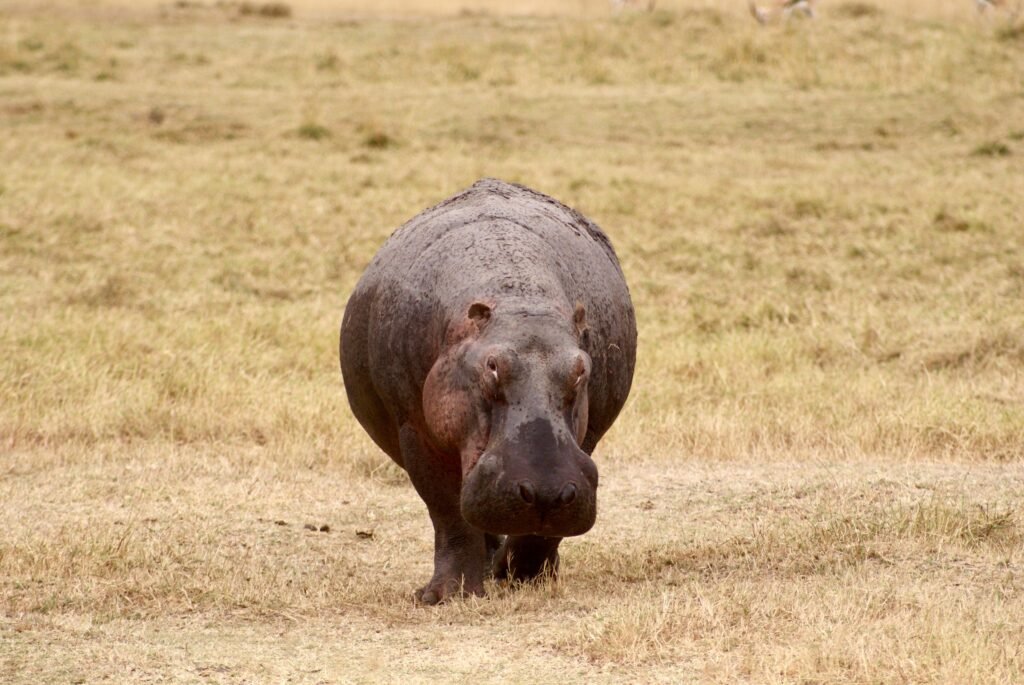
Large herds of buffalo are among Katavi’s signature sights, and elephants, zebras, giraffes and several antelope species also use the plains and woodland. Lions and spotted hyenas follow prey, while leopards may be present in suitable habitats. Hippos gather in shrinking pools during dry periods, sometimes in very crowded conditions. These scenes can be extraordinary to observe, but visitors should remember that the animals are responding to natural pressure and should never be disturbed for a photograph.
Katavi also rewards visitors who pay attention to smaller details. Birdlife is varied, with resident and migratory species using wetlands and open habitats. Woodland areas support different birds and mammals from the floodplains, so a good guide will vary the route rather than spending every drive beside one water source. The park’s scale and low visitor numbers can make the experience feel spacious, but sightings still depend on season, recent rainfall and the time spent exploring.
Ask the camp how game drives are usually structured during your travel month. In a remote park, the guide may choose to spend time near a water source, explore woodland or follow recent tracks rather than follow a fixed circuit. A flexible approach is more useful than expecting a checklist of sightings. If you have a particular interest, such as birds, elephants or predator behaviour, tell the guide early so the day can be shaped around it where conditions allow.
Best time to visit Katavi National Park
The dry season, broadly from June or July into October, is often considered the strongest period for concentrated wildlife viewing. As water becomes scarce, animals gather around rivers, pools and wetlands that remain. The exact timing changes with rainfall, and the condition of the park can vary from year to year. September and October can bring particularly concentrated wildlife in some areas, but heat and dust may also be more noticeable as the dry season advances.
The wetter months bring a different atmosphere. Grass and vegetation grow, seasonal water spreads across the landscape and some roads can become difficult. Migratory birds may add interest, and the park feels greener and more expansive. However, not every camp or route operates throughout the year, and access can be affected by heavy rain. Travellers considering a wet-season visit should confirm operating dates and transfer conditions directly with their accommodation and safari operator.
Katavi is not a destination for a rushed one-night stop. At least three nights can make the journey more worthwhile, particularly when visitors have travelled a long way to reach western Tanzania. Additional time gives a guide more flexibility to explore different habitats and respond to wildlife movements. If the main goal is to observe large concentrations around water, plan around the dry season and allow enough nights for more than one game-drive circuit.
Photographers should think about the changing light and the distances involved in viewing wildlife. A long lens can help with animals across floodplains, while a wider lens captures the scale of the landscape and large herds. Dust can be significant late in the dry season, so protect camera bodies and change lenses carefully. Follow the guide’s positioning advice and avoid asking for off-road driving or close approaches that could disturb animals or damage fragile ground.
Getting to Katavi and choosing accommodation
Katavi’s remote location makes air travel the practical choice for many visitors. Flights may operate to airstrips serving the park, but schedules, aircraft type, baggage limits and connections vary. Some journeys involve charter flights or connections through western Tanzania. Road and rail access may be possible in certain circumstances, but travel times can be substantial and conditions depend on the route and season. Confirm the entire journey before paying for accommodation, especially if flights connect with other parks.
Accommodation is limited compared with the Serengeti and Tarangire. Camps may be seasonal and located in different parts of the park, so their position affects the game-drive areas available each day. Ask whether the camp is inside the park, which airstrip it uses, how long the transfer takes and whether game drives are conducted in a private or shared vehicle. The lowest advertised rate is not always the best value if it involves long transfers or limited time in the areas you want to explore.
Small aircraft have luggage restrictions that can be stricter than international flights. Check the carrier’s exact weight and bag dimensions, and ask whether camera equipment counts towards the allowance. Soft-sided luggage is often easier to fit into light aircraft, but requirements vary. Keep medication, travel documents and valuables in your hand luggage, and leave enough time between flights for possible schedule changes.
Because Katavi is seasonal, confirm the operating calendar of the camp as well as the park’s current access conditions. A camp may close for part of the year, and a route that works in the dry season may be difficult after heavy rain. Ask whether the quoted itinerary includes airstrip transfers, game drives and park fees, and whether the flight is scheduled or chartered. Clear details are especially important when a remote safari depends on a small number of transport services.
Who should choose Katavi and how to plan responsibly
Katavi is best suited to travellers who value remoteness, wildlife concentration and time in a less-visited park. It can appeal to experienced safari travellers, photographers and visitors who have already explored the northern circuit. It may be less suitable for someone with only a few days in Tanzania or a strict budget, because reaching the park can involve additional flights and specialist accommodation. A realistic itinerary should consider travel time as part of the experience rather than treating it as a simple transfer.
Katavi can be combined with Mahale Mountains National Park for a western Tanzania journey that contrasts savannah wildlife with chimpanzee trekking and Lake Tanganyika scenery. The combination requires careful coordination of flights, road transfers and boat connections, and should not be attempted without confirming each leg. If time is limited, it may be better to focus on one destination and enjoy it properly instead of adding too many transfers.
Responsible travel in Katavi means remaining in the vehicle where required, following guide instructions, respecting animal space and avoiding noise or actions that alter wildlife behaviour. Never ask a guide to drive off-road or approach a dangerous animal simply to improve a photograph. A good safari is built around observation and patience. Tanzania Beauty Safaris can help assess whether Katavi fits your dates, interests and budget, and coordinate the transport needed to reach this remote part of the country.
Katavi’s remote character is part of its appeal, but it also means that visitors should not expect the same choice of restaurants, shops or backup transport available around Arusha. Bring personal essentials, confirm what the camp supplies and follow the operator’s advice about cash and communications. Mobile coverage may be limited in some areas, and the daily plan is shaped by the camp’s location and current wildlife conditions. Travellers who are comfortable with a simpler, more self-contained stay often enjoy the sense of space.
Frequently asked questions
Where is Katavi National Park?
Katavi is in western Tanzania, far from the main northern safari circuit.
What is Katavi famous for?
It is known for remote wilderness, large seasonal buffalo concentrations and hippos gathering in shrinking pools during the dry season.
When is the best time to visit Katavi?
The dry season, broadly June or July to October, often provides concentrated wildlife viewing. Conditions vary with rainfall.
How many days should I spend in Katavi?
Three nights or more is a sensible starting point because reaching the park takes time and wildlife viewing benefits from several drives.
Plan your Tanzania safari
A successful safari depends on matching the destination, season, accommodation and transport to the time available. Rather than rushing between distant parks, choose a route that allows you to experience each landscape properly. Tanzania Beauty Safaris can help compare options and organise a private itinerary with realistic transfer times and clear inclusions.
Consider the wider route before deciding how many nights to spend. If Katavi is paired with Mahale, allow enough time for the connection and do not assume that a short flight removes every transfer challenge. If it is the only park on the itinerary, a longer stay can make the journey more worthwhile. The best plan gives guides time to explore different habitats and gives guests time to settle into the rhythm of a remote wilderness camp.