
How Long Does It Take to Climb Mount Kilimanjaro?

How Long Does It Take to Climb Mount Kilimanjaro?

Introduction

How long does it take to climb Mount Kilimanjaro? It takes 6 to 9 days to climb Mount Kilimanjaro, depending on the route and acclimatization schedule. Shorter routes like Marangu may take 5–6 days, while longer options such as Lemosho or the Northern Circuit last 8–9 days and offer higher success rates.

Dreaming of an unforgettable adventure in Tanzania? Climbing Mount Kilimanjaro, the tallest mountain in Africa and one of the world’s seven summits, promises a thrilling and awe-inspiring experience. Reaching its summit, Uhuru Peak, at 5,895 meters (19,341 feet), is a monumental achievement that demands preparation, stamina, and determination.

Many travellers wonder, “How long does it take to climb Kilimanjaro?” For a person with average fitness, the ascent usually takes five to nine days, depending on the chosen route, acclimatization schedule, and hiking pace.

Slow and steady trekking is essential to ensure a safe and enjoyable experience. Shorter tours exist, but they are often not recommended for beginners. The mountain offers programs for all levels, from casual hikers to experienced adventurers. Highlighting the importance of preparation, climbers must train in advance, equip proper gear, and understand altitude impacts to maximize the chances of summiting safely.

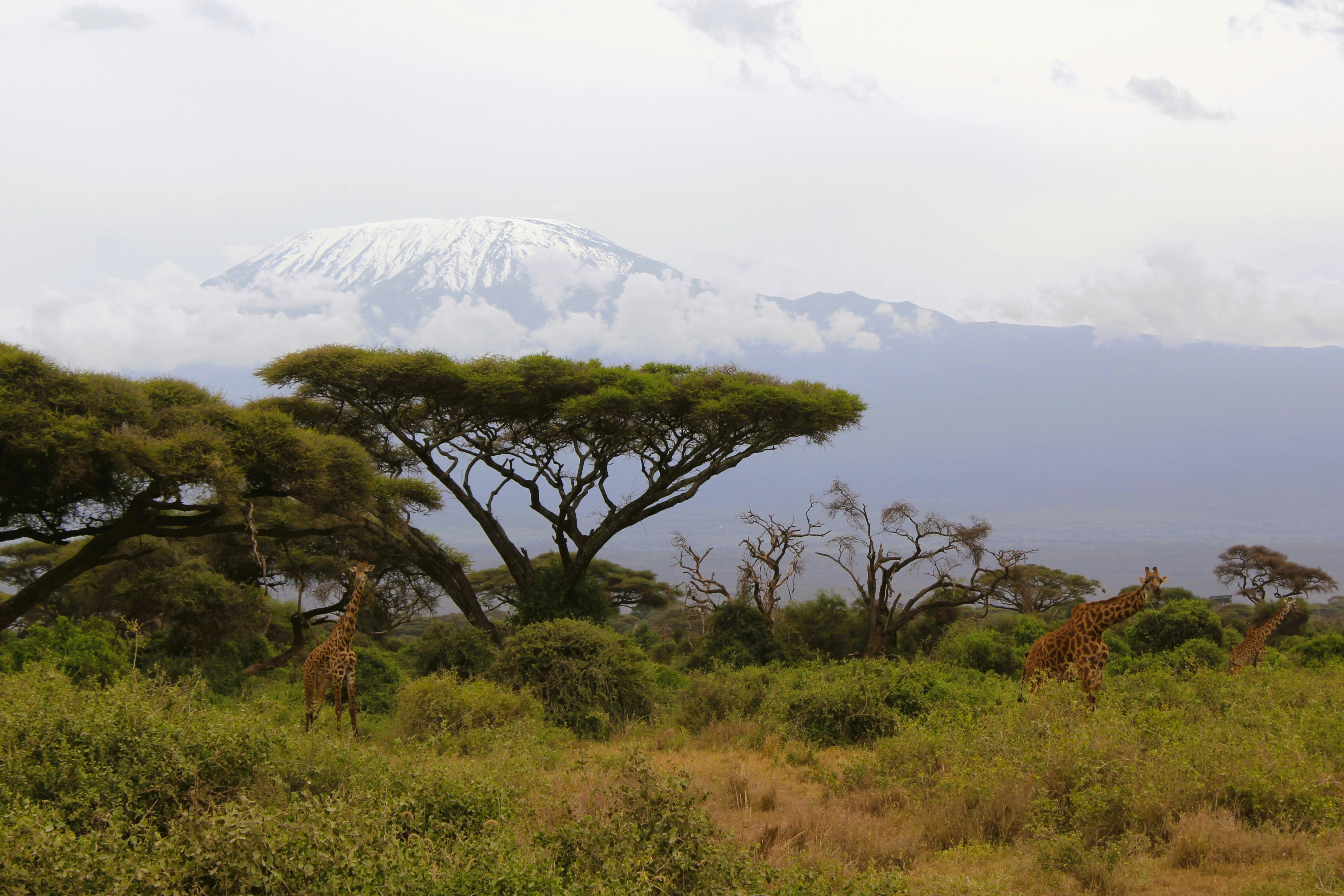
Climbing Kilimanjaro is more than just reaching the top; it is about experiencing the diverse landscapes along the way. Hikers move through lush rainforest, open moorlands, alpine deserts, and glacial slopes, each presenting unique challenges.

Proper acclimatization is vital, and choosing the right route plays a major role in summit success. Longer routes like Lemosho or Northern Circuit allow the body to adjust gradually, increasing success rates while offering breathtaking panoramic views.

Weather conditions, group dynamics, and personal fitness levels influence the pace and duration of the climb. With professional guidance, climbers can plan a customized itinerary to match their fitness, preferred pace, and desired experiences. Highlighting these factors ensures adventurers approach the climb safely, enjoy the scenery, and create unforgettable memories on Africa’s highest peak.

Understanding the Time Commitment for Kilimanjaro

Climbing Mount Kilimanjaro requires careful consideration of the time commitment and influencing factors. Route selection significantly affects the duration, as shorter paths like Marangu and Rongai may take five to six days, while scenic routes such as Machame or Lemosho often require six to eight days for gradual ascent and proper acclimatization.

Altitude gains each day is critical; rapid ascent increases the risk of altitude sickness, while slow climbing allows the body to adjust naturally. Fitness level affects pace, but even experienced hikers must respect the mountain’s challenges. Highlighting acclimatization, spending at least five nights below 13,000 feet is recommended to reduce altitude-related issues. Weather conditions, group dynamics, and emergency contingencies also impact schedules, making flexible planning essential for a successful climb.

Daily demands are physically and mentally intense, requiring endurance, stamina, and determination. Each stage presents unique challenges, from rainforest trails to glacial landscapes, requiring climbers to pace themselves carefully.

Experienced guides can make a significant difference, monitoring health, advising on proper acclimatization, and ensuring safety throughout the journey. Post-summit recovery time is crucial, as fatigue and altitude effects can persist before descending safely.

Longer itineraries enhance safety and allow climbers to fully enjoy Kilimanjaro’s diverse ecosystems. Highlighting this, climbers are advised to prioritize longer routes for better acclimatization, higher success rates, and a more immersive adventure. The climb is as much about preparation and planning as it is about reaching the summit, making careful timing essential.

So You’ve Decided to Climb Kilimanjaro

Taking on the challenge of climbing Africa’s highest mountain requires preparation and commitment. Proper training, including aerobic exercises and hill-walking, is crucial to prepare the body for the physical demands.

Fitness, stamina, and endurance all play a role in successfully summiting Kilimanjaro. Even without professional climbing skills, participants must gradually condition their bodies to handle long days of hiking at varying altitudes.

Highlighting preparation, months of training may be needed for beginners to reach a level where the climb is enjoyable and safe. Equipping appropriate gear, including layered clothing, boots, trekking poles, and sleeping equipment, is essential to handle varying temperatures and weather conditions along the trail.

Climbers must also mentally prepare for the trek. Challenges such as altitude, fatigue, unpredictable weather, and steep sections require determination, focus, and perseverance. Success depends not only on physical strength but also on a positive mindset and a steady pace during the ascent. Routes like Machame, Lemosho, and Northern Circuit are recommended for better acclimatization, gradually increasing the body’s tolerance to high altitudes.

Highlighting route selection, longer itineraries increase summit success while providing opportunities to enjoy breathtaking landscapes, from alpine deserts to glacial peaks. With proper preparation, determination, and guidance, climbers can safely achieve the unforgettable milestone of reaching Uhuru Peak.

Climb Kilimanjaro Seasons

Choosing the best time to climb Kilimanjaro is critical for safety, enjoyment, and success. The mountain’s weather is influenced by seasonal rains and temperature fluctuations. Highlighting ideal climbing periods, the dry seasons from January to March and June to October provide the most favorable conditions, offering clear skies, sunshine, and better trail accessibility. Climbing during these months reduces the risks of slippery paths and extreme weather, making the trek more comfortable and safer.

The mountain experiences occasional rain even during dry seasons, but these periods are generally more predictable and manageable. Planning your climb within these months ensures not only safety but also the opportunity to witness stunning sunrises and panoramic views over the Tanzanian plains.

During the wet seasons, trails become muddy, rivers swell, and visibility may be reduced, making the climb more challenging. Trekkers should be prepared for changing weather conditions regardless of season. Acclimatization remains essential in all periods, as temperature variations are significant at higher altitudes.

Highlighting preparation for climate, layering clothing, staying hydrated, and pacing the ascent can mitigate environmental stress. The chosen season also impacts wildlife sightings and scenic photography, as clear skies enhance visibility of the surrounding landscapes. Selecting the right climbing season allows hikers to combine safety, comfort, and the most rewarding visual experience while ascending Kilimanjaro.

Routes Up Mount Kilimanjaro

Mount Kilimanjaro has seven main trekking routes, each offering a distinct experience, scenery, and level of difficulty. The Marangu route, also called the “Coca-Cola route,” is the most beginner-friendly and provides dormitory-style huts instead of camping. Hikers often favour this route due to its established facilities and less strenuous terrain.

However, experienced climbers seeking adventure and panoramic views may prefer longer routes like Lemosho, Machame, or Northern Circuit, which offer more gradual ascents, higher success rates, and stunning scenery. The Rongai route, starting from the north near the Kenyan border, provides remote and less crowded paths for those seeking solitude and wilderness experiences.

Other routes, such as Shira and Umbwe, vary in difficulty and terrain. The Shira route is scenic but starts at a high altitude, requiring quick acclimatization, whereas Umbwe is the steepest and most challenging, with a direct ascent that limits gradual acclimatization.

Highlighting route selection, the Northern Circuit is considered the most balanced, offering nine days of trekking and high success rates due to extended acclimatization opportunities. Choosing a route depends on fitness, experience, schedule, and preferred scenery. Longer, gradual routes provide safer acclimatization and greater chances of reaching Uhuru Peak, making them ideal for first-time climbers seeking a rewarding and memorable Kilimanjaro experience.

What is Acclimatization?

Acclimatization is the process by which the body adapts to lower oxygen levels at high altitude. On Kilimanjaro, proper acclimatization is crucial to prevent altitude sickness and increase the likelihood of summit success. Climbers gradually ascend and rest at intermediate elevations, allowing their bodies to adjust to thinning air. The ideal strategy involves spending at least five nights below 13,000 feet before proceeding higher.

Highlighting this, longer itineraries naturally include these rest periods, improving safety and performance. Physical symptoms of poor acclimatization include headaches, fatigue, nausea, and shortness of breath, making proper pacing and planning essential for health and enjoyment during the climb.

Acclimatization is not only about rest but also about monitoring daily progress, hydration, and nutrition. Guides play a vital role in ensuring climbers do not ascend too quickly and that they recognize warning signs of altitude-related complications. Highlighting the benefits, gradual acclimatization increases endurance, improves comfort, and allows climbers to experience Kilimanjaro’s diverse landscapes without compromising safety.

The combination of careful pacing, proper preparation, and rest ensures that trekkers can reach Uhuru Peak while minimizing risks, making acclimatization one of the most important aspects of a successful Kilimanjaro climb.

Ascent and Descent

Climbing Mount Kilimanjaro usually takes between five to nine days, depending on the chosen route and pace. The descent is faster, often taking two days from the summit to the final camp, though some routes allow for quicker completion. Hikers experience dramatic changes in terrain, from rainforest to alpine desert, to glacial landscapes at higher altitudes.

Highlighting the ascent, slow pacing during the summit push is crucial for both physical performance and safe acclimatization. Descending requires attention as fatigued muscles and altered balance can make the final stage challenging. Professional guides assist in managing pace, safety, and overall timing throughout the climb.

The summit day, usually starting late at night, is the most demanding segment, involving steep climbs in cold temperatures. Climbers must maintain energy, focus, and rhythm to reach Uhuru Peak at sunrise, creating a truly unforgettable experience. Highlighting the importance of recovery, proper nutrition, hydration, and rest during both ascent and descent are critical.

The final descent, while physically easier than the climb up, can be demanding on joints and muscles, emphasizing the need for careful pacing and technique. Completing the round trip successfully requires endurance, mental resilience, and strategic planning to safely return to base camp.

FAQs

Climbing Kilimanjaro raises several common questions. How long it takes depends on route selection, with shorter paths like Marangu taking 5-6 days, and longer routes like Lemosho or Machame taking 7-9 days. Even highly fit climbers should avoid rushing, as altitude acclimatization is crucial to prevent sickness.

The best climbing seasons are January to March and June to October, offering dry trails, clear skies, and favourable conditions for summit success. Professional climbing skills are not required, but pre-climb aerobic preparation and hill-walking are essential for endurance. Highlighting altitude effects, gradual ascent schedules help climbers adapt to lower oxygen levels, reducing fatigue and health risks.

Factors such as weather, group dynamics, and unexpected challenges influence the overall time commitment. Longer itineraries are safer and more enjoyable, allowing full appreciation of the mountain’s scenic diversity. Choosing experienced guides improves acclimatization management, route navigation, and safety.

Highlighting route selection, climbers benefit from panoramic views, better success rates, and fewer crowds on longer paths. The combination of careful planning, physical preparation, and guided expertise ensures that adventurers reach Uhuru Peak safely and create lasting memories. Regardless of the chosen route, Kilimanjaro remains a life-changing adventure for those ready to embrace its challenges.

Conclusion

Climbing Mount Kilimanjaro is a once-in-a-lifetime adventure, blending physical endurance, mental resilience, and breathtaking natural beauty. The duration of the climb depends on the route, acclimatization, fitness level, and weather, typically ranging from five to nine days. Highlighting preparation and pacing, longer itineraries are recommended for safer trekking and better summit success.

Professional guidance, proper gear, and pre-climb fitness training significantly enhance the experience. Each route offers unique landscapes, from lush rainforests to glacial peaks, providing a comprehensive view of Africa’s tallest mountain.

Success on Kilimanjaro requires patience, preparation, and respect for the mountain’s challenges. Acclimatization, route choice, and timing are essential for minimizing risks and maximizing the adventure.

Climbers who take the time to prepare fully and pace themselves are rewarded with a triumphant summit at Uhuru Peak, unforgettable sunrise views, and memories that last a lifetime. Highlighting the transformative nature of this journey, the climb is not only about reaching the top but also embracing the diverse landscapes, personal challenges, and exhilaration that Kilimanjaro uniquely offers.
When Is the Best Time to See the Great Migration

When Is the Best Time to See the Great Migration

Introduction

Does experiencing Tanzania’s wildlife in all its glory thrill you? If yes, there’s no better time than the peak season of the Great Migration. Every year, over a million wildebeest make a daring round trip between Tanzania and Kenya, accompanied by thousands of zebras and gazelles. This breathtaking spectacle draws wildlife enthusiasts from around the world, eager to witness thrilling river crossings and heartwarming moments when hundreds of thousands of wildebeest calves take their first wobbly steps.

Do you want to see WIldebeest migration Book This 8-Day Serengeti Great Migration Safari

The Great Migration is more than a one-off event, it’s a year-round journey that unfolds differently each month. From calving in the southern Serengeti to the dramatic Mara River crossings in the north, the migration provides unique experiences for every visitor. In this guide, you’ll discover the best times and locations to witness the Great Migration, along with tips on how to experience it through guided safaris, self-drive adventures, balloon rides, and more.

Where to See the Great Migration

The Great Migration is a spectacle like no other. Millions of wildebeest, zebra, and gazelle move across the Serengeti in Tanzania and the Maasai Mara in Kenya from May to December, covering hundreds of kilometres in search of fresh pastures. Along the way, predators including lions, cheetahs, hyenas, and crocodiles add a thrilling sense of drama to the journey.

Although the migration generally follows a seasonal pattern, nature has its own timetable. Rainfall, food availability, and the animals’ instincts all influence their movements. Even outside peak periods, the Serengeti is teeming with wildlife, ensuring visitors enjoy incredible sightings year-round. Vast grasslands, dotted with acacia trees and kopjes, serve as constant backdrops to herds grazing, hunting, and migrating, giving safari-goers a continuously dynamic landscape to explore.

The Best Time to See the Great Migration: Month-by-Month Breakdown

December to March: Calving Season in the Southern Serengeti

The calving season is one of the most remarkable periods of the migration. From late December through March, wildebeests gather in the southern Serengeti around Ndutu and the Ngorongoro Conservation Area to give birth. About 8,000 calves are born daily, resulting in nearly half a million newborns in just a few months. Watching these tiny creatures take their first steps is an awe-inspiring experience that showcases the raw beauty and cycle of life in the wild.

During this period, predators are highly active, making this an ideal time for thrilling wildlife encounters. Lions, cheetahs, hyenas, and vultures focus on the newborns, offering visitors a chance to witness nature’s dramatic balance of life and survival. Lush, green pastures from seasonal rains provide abundant grazing for adult herbivores, creating picturesque scenery for photography and wildlife observation. Safari itineraries during calving season often include Ndutu and surrounding southern Serengeti plains for the best viewing opportunities.

April to May: Herds Move from Southern to Central Serengeti

By April, the herds begin their journey northwards toward central Serengeti. After calving, the wildebeests, accompanied by zebras and gazelles, move across the plains in search of fresh grazing areas. The journey is punctuated by river crossings and predator encounters, particularly along smaller rivers like Grumeti tributaries.

Travelers visiting during this transition period can witness intimate moments between mother wildebeests and calves, as well as interactions with other herbivores. The central Serengeti offers rolling plains and kopjes that provide elevated views of herds on the move. Safari packages during this period focus on game drives across migration routes and predator observation, providing a balance between calving highlights and the excitement of moving herds.

June: Grumeti River Crossing in the Western Serengeti

June marks the beginning of the western Serengeti River crossings along the Grumeti and Mbalageti Rivers. Although not as famous as the Mara River, these crossings are thrilling and dangerous, with crocodiles lurking in murky waters. Wildebeests test their courage as they navigate strong currents, while predators take advantage of vulnerable animals along the riverbanks.

The western Serengeti in June offers a less crowded safari experience, ideal for travellers seeking a more intimate and adventurous encounter with the migration. Fewer tourists mean unobstructed game viewing and greater opportunities for photography. The surrounding landscape, characterized by open plains and scattered woodlands, provides excellent vantage points for observing the crossing without interfering with wildlife movements.

July to August: Mara River Crossing in the Northern Serengeti

The highlight of the migration occurs in July and August when herds reach the Mara River in the northern Serengeti. Thousands of wildebeests gather at the water’s edge, hesitating before plunging into crocodile-infested currents. Panic, chaos, and determination unfold in front of visitors, creating one of the most iconic wildlife spectacles in the world.

This period coincides with the dry season, ensuring clear skies and ideal game-driving conditions. Luxury and mid-range safari lodges in northern Serengeti and southern Masai Mara offer prime access to river crossing points. Visitors can witness the drama unfold repeatedly, with herds crossing and recrossing in search of greener pastures. This experience captures the essence of the migration: danger, survival, and the beauty of life in the wild.

September to October: Masai Mara and Northern Serengeti

After the Mara River crossing, herds move into Kenya’s Masai Mara but continue to return to northern Serengeti for grazing. Visitors during September and October can see a mix of animals lingering in the northern plains and those starting their southward migration. The area is less crowded than during peak Mara River crossing season, allowing for more relaxed wildlife observation.

Predators remain active, and scavenger birds such as marabou storks and vultures circle overhead, adding another layer of excitement to game drives. Central Serengeti begins to call wandering herds back, completing the cycle of the migration. Safari itineraries at this time emphasize a combination of northern Serengeti and Masai Mara wildlife viewing for the most comprehensive experience.

November: Central to Southern Serengeti Migration

November sees the herds gradually returning southwards to replenish southern pastures. Rain begins to refresh the grasslands, attracting both large herds and solitary predators. Central Serengeti and Seronera Valley provide quieter, less crowded settings for wildlife observation, ideal for travellers seeking a more relaxed safari experience.

This period also brings bird migrations back to the Serengeti, making it an excellent time for birdwatching alongside traditional game drives. Lower tourist numbers translate to better accommodation rates and more personalized safari experiences. Visiting during November allows travellers to witness predator activity, river crossings in smaller tributaries, and the start of the calving season cycle in southern plains.

How to Experience the Great Migration

Guided Safari Tours

Joining a guided safari is one of the most effective ways to experience the migration. Professional guides track herds, identify predators, and offer expert insights into wildlife behaviour and conservation. Guided safaris include vehicles, park fees, accommodations, and game drives, allowing visitors to focus entirely on observation and photography without worrying about logistics.

This method is ideal for first-time visitors or anyone seeking a seamless experience. Guided safaris often range from luxury lodges to mid-range camps, making it accessible for different budgets. The combination of expertise, convenience, and insider knowledge ensures the best possible chance to witness river crossings, calving areas, and predator hotspots, creating memories that last a lifetime.

Self-Drive Adventures

For travellers who value freedom and flexibility, self-drive safaris provide an adventurous alternative. With a 4WD vehicle, visitors can navigate the Serengeti at their own pace, stopping whenever a herd or predator sighting presents itself. While self-drive offers independence, it requires preparation, navigation skills, and a strong understanding of park rules.

Self-drive safaris allow for spontaneous encounters and close-up views of wildlife in its natural environment. Visitors can combine these adventures with overnight stays in campsites or lodges across the Serengeti, Ngorongoro, or Tarangire. While more challenging than guided tours, self-drive safaris offer unmatched immersion and a sense of discovery, making it a rewarding way to witness the migration firsthand.

Hot Air Balloon Safaris

For an extraordinary perspective, hot air balloon safaris provide panoramic views of the migration. Floating above the plains at sunrise, travellers can witness massive herds, river crossings, and predator-prey interactions from a safe and tranquil vantage point. Balloon rides often include light breakfast and champagne, adding a luxurious touch to the adventure.

Balloon safaris are ideal for photographers and wildlife enthusiasts seeking a unique and immersive experience. Observing the scale of the migration from above allows a deeper appreciation of its magnitude, from the patterns of herd movement to the vastness of the Serengeti landscape. Combining balloon rides with traditional game drives creates a fully rounded safari experience.

Walking Safaris

Walking safaris offer an intimate connection with the Serengeti ecosystem. Accompanied by professional guides, travellers explore animal tracks, observe smaller wildlife, and gain insight into vegetation and ecological relationships. Walking safaris often take place in safer areas with lower predator density, making them ideal for a slower-paced, educational experience.

This approach enriches understanding of the landscape beyond large herd movements. Walking safaris allow visitors to focus on intricate details, such as insect behaviour, footprints, and plant life, complementing the dramatic sights from vehicles or balloons. It’s a perfect addition for travellers wanting a closer look at the Serengeti’s biodiversity and ecological complexity.

Combining Safari Experiences

The ultimate migration experience often combines multiple safari methods. Guided game drives provide expert-led insights, balloon safaris deliver panoramic perspectives, and walking safaris offer intimate exploration. By mixing approaches, travellers experience the migration from all angles ground, air, and close-up.

A combined itinerary ensures visitors capture both large-scale and subtle interactions within the ecosystem. It balances convenience, adventure, and education while minimizing fatigue and maximizing wildlife encounters. This holistic approach delivers an unforgettable journey through one of the world’s most iconic natural spectacles.

Frequently Asked Questions (FAQs)

When is the best time to see the Great Migration in Tanzania?

The peak period for witnessing the Mara River crossings is July to October, though the migration is observable year-round across the Serengeti. Timing depends on rainfall and food availability.

When is calving season?

Calving occurs from late January to March, mainly in southern Serengeti near Ndutu. Thousands of baby wildebeests are born daily, attracting predators and offering a unique wildlife spectacle.

What month is best for dramatic river crossings?

July and August are ideal for the Mara River crossings, while September and October show the herds’ southward return.

What is the Great Wildebeest Migration?

It is an annual journey of over 1.5 million wildebeest, accompanied by zebras and gazelles, moving across Tanzania’s Serengeti and Kenya’s Masai Mara ecosystems in search of fresh pasture.

Why do such large numbers of animals migrate?

The herds migrate to find nutrient-rich grazing and water. Seasonal rainfall drives the movement, ensuring survival and reproduction for wildebeest, zebra, and gazelle.

Are there risks associated with traveling during the migration?

Travel is generally safe with experienced guides. Risks include weather-related issues, road conditions, and proximity to wildlife. Following safari guidelines and carrying insurance ensures a safe visit.

How can travellers ensure the best migration experience?

Book guided tours with expert operators like Tanzania Beauty Safaris, We plan according to migration seasons, choose optimal accommodations, and follow guides’ advice. Combining balloon, vehicle, and walking safaris enhances the experience.

Which areas offer the best viewing?

Southern Serengeti for calving (Jan–Mar), western Serengeti for Grumeti crossings (June), northern Serengeti and Mara River (July–Aug), Masai Mara and northern plains (Sept–Oct), central and southern Serengeti for quieter encounters (Nov).

How does the migration impact the ecosystem?

The herds distribute nutrients across the plains, support predator populations, and maintain the Serengeti-Masai Mara ecosystem’s balance. It illustrates the interconnection of wildlife and habitat.

Conclusion

The Great Wildebeest Migration is a year-round phenomenon, offering unique experiences in every season. From calving season in southern Serengeti to river crossings in northern Serengeti, the spectacle captivates visitors with dramatic scenes of life, survival, and interconnected ecosystems. Planning your visit around seasonal patterns maximizes wildlife sightings and enhances the safari experience.

Witnessing the migration is more than a wildlife adventure, it’s an immersion into the rhythms of nature, the circle of life, and the vastness of African landscapes. Whether through guided tours, self-drive adventures, or hot air balloon safaris, travelers can experience this extraordinary event up close. With careful planning and timing, the Great Migration becomes a journey that leaves lasting memories and deep appreciation for the Serengeti’s wild heart.