Choosing when to go on safari in Tanzania is not simply a matter of deciding whether dry weather or green landscapes sound more attractive. The seasons influence where animals gather, how easily they can be seen, the appearance of the parks, road conditions and the overall pace of a journey. Tanzania is also a large country with several ecological zones, so the experience in the Serengeti is not identical to the experience in Tarangire, Ngorongoro or the coastal areas. The best time depends on which destinations you plan to visit and what you most want to experience.
The dry season is often associated with easier wildlife viewing because vegetation is thinner and animals may gather around permanent water. The green season brings fresh grass, more dramatic skies, seasonal birdlife and a landscape that can feel very different from the dry months. Neither season is universally better. A traveller hoping to follow the wildebeest migration should consider the herds’ seasonal movement, while someone interested in birds or photography may value the green season. Families and visitors with fixed travel dates may place more emphasis on road conditions, accommodation availability and the comfort of the daily schedule.
This guide explains how the seasons affect a safari and how to choose dates without relying on simplistic promises. Tanzania Beauty Safaris plans itineraries around the actual regions being visited, the likely seasonal pattern and the number of days available. The aim is to help travellers choose a season that suits their priorities while understanding that wildlife follows rainfall and natural conditions, not a fixed calendar.
The Dry Season in Tanzania: Wildlife Concentrations and Clearer Viewing
Tanzania’s main dry season is generally associated with June to October, although local conditions differ between regions and the transition months can vary from year to year. As rainfall decreases, grasses dry and some seasonal water sources disappear. In parks such as Tarangire, wildlife may become more concentrated around the Tarangire River and other dependable water sources. In the Serengeti, the dry months overlap with important stages of the Great Migration, but the location of the herds changes as they move through the ecosystem. These seasonal patterns make the dry season popular with visitors who want to spend time observing large mammals.
Thinner vegetation can improve visibility, particularly in open grassland and woodland areas where animals may be partly hidden during wetter months. Tracks can also be firmer and easier to travel in many areas, although dust becomes more noticeable as the dry season progresses. Game drives may feel more focused because guides can use recent sightings, water sources and habitat knowledge to locate animals. This does not mean every drive produces close encounters. Wildlife can still be dispersed, predators may rest out of view and the busiest viewing areas can attract several vehicles around a sighting.
The dry season is not one uniform period. June and July can bring a transition from the rains, with some areas still green and the migration moving through the western or central Serengeti depending on conditions. August and September are often associated with the northern Serengeti and Mara River region, although river crossings are unpredictable. By October, the landscape can be very dry in some places, and the herds may begin responding to changing rainfall patterns farther south. A travel date should therefore be matched to the specific region rather than labelled simply as ‘dry season’.
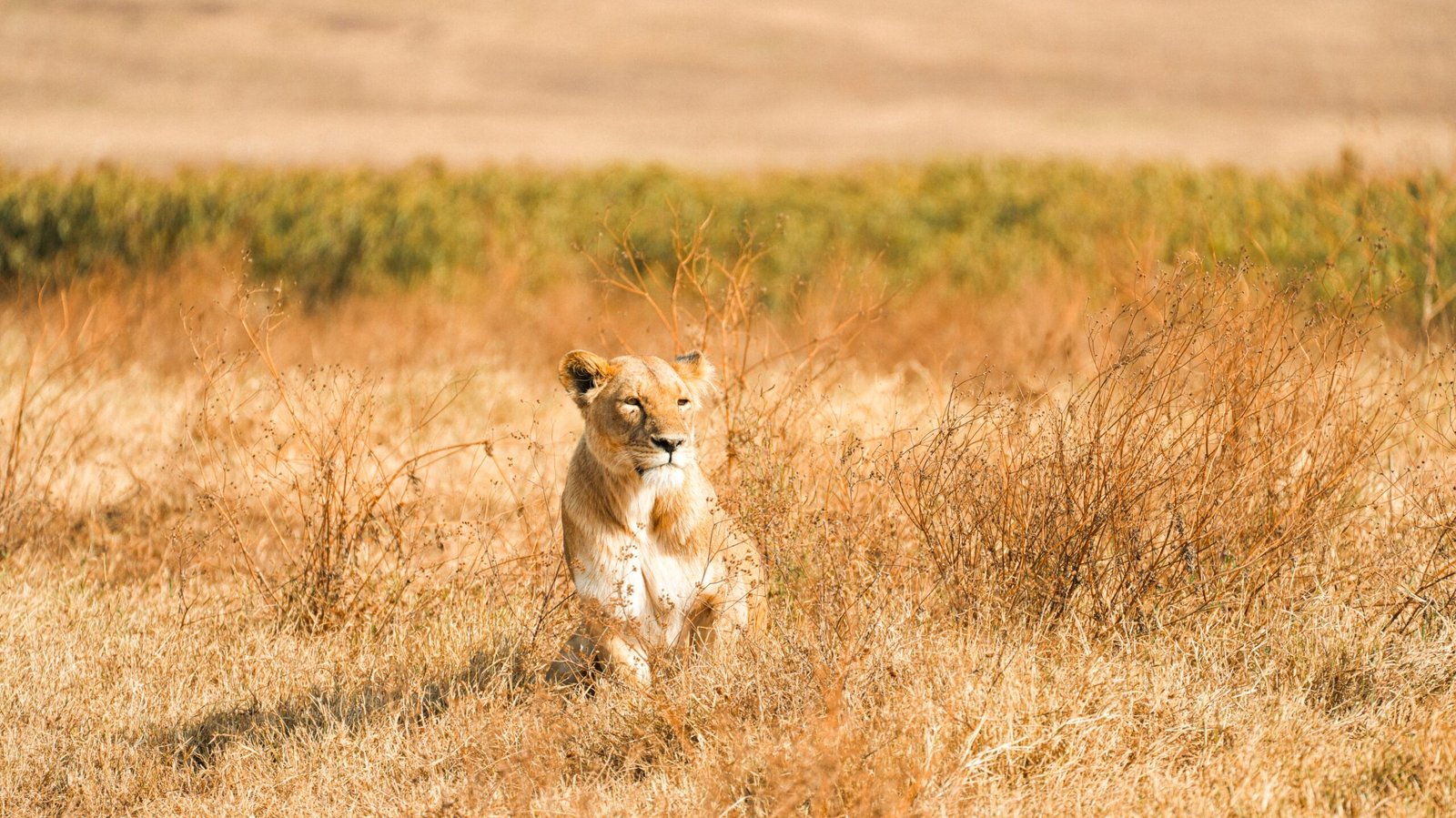
The popularity of these months has practical consequences. Camps in well-positioned areas can fill early, especially in the northern Serengeti during migration-focused periods. Rates may be higher than in some green-season months, and travellers may need to book further in advance to secure a preferred camp. A realistic itinerary should also allow enough nights in the chosen region. If the main objective is the Mara River area, a one-night stay is rarely a sensible plan because the herds and crossings are not predictable enough to fit a brief visit.
The Green Season: Fresh Landscapes, Birdlife and a Different Safari Rhythm
The green season generally follows the arrival of seasonal rains, with short rains often occurring around November and December and longer rains commonly falling from March to May. The exact pattern varies across Tanzania and from one year to another. Grasslands become fresh, trees and shrubs produce new growth, and the landscape takes on a softer appearance. In the southern Serengeti and Ndutu, the green season is closely connected with the wildebeest calving period, usually centred on January and February. In other parks, it can bring excellent birdwatching and a different distribution of resident wildlife.
The presence of more water changes the way animals use the landscape. Herbivores may spread out because they do not need to travel as far to reach water, and predators may be less concentrated around a small number of water points. Taller grass can make some animals harder to see, especially in areas that are already thickly vegetated. Yet the green season is not a poor time for wildlife viewing. The landscape can be exceptionally beautiful, young animals may be present in calving areas, and birdlife can be particularly varied as migratory species join resident populations.
Rain does not necessarily fall continuously throughout the day or across every park. Some days may be bright with brief showers, while other periods bring heavier rain and cloud. Road conditions depend on the amount of rainfall and the type of track. A well-equipped safari vehicle and a guide familiar with the area are important, especially when travelling on unpaved roads. It is sensible to keep some flexibility in the itinerary rather than scheduling every transfer and activity so tightly that a change in conditions causes difficulty.
The green season may suit travellers who value scenery, photography, birdlife and a quieter atmosphere in some areas. It can also offer a different accommodation choice, depending on seasonal camp operations. Not every camp remains open all year, particularly mobile camps that follow the migration, so availability should be checked for the actual dates. Travellers should compare the location and operating season of a camp, not assume that a property listed online will be open when they arrive.
How the Seasons Affect the Great Migration and Different Safari Parks
The Great Migration is a continuous movement of wildebeest, zebra and other grazing animals across the Serengeti ecosystem and into the Maasai Mara in Kenya. Rainfall and fresh grazing influence the direction and timing of this movement, which is why migration itineraries should be planned by region and season. The southern plains and Ndutu are important during the calving period around January and February. As conditions change, herds move through central and western areas and later towards the northern Serengeti, where some groups gather near the Mara River. These are broad seasonal patterns, not fixed dates for individual herds.
A river crossing is among the most dramatic events associated with the migration, but it is impossible to guarantee. Herds may gather on a riverbank and wait, cross at a different point or move away without crossing while visitors are present. Travellers whose priority is the northern migration should plan several nights in the relevant region and accept that patience is part of the experience. Those visiting during the calving period should allow enough time in the south to explore the plains and understand the wider ecosystem rather than expecting every drive to produce a birth or predator hunt.
Other northern circuit parks respond to the seasons in their own ways. Tarangire is often particularly rewarding in the dry months when animals gather near the river, while the green season brings fresh vegetation and a wider distribution of wildlife. Ngorongoro Crater supports resident wildlife throughout the year, so seasonal choice may be influenced as much by weather, scenery and road conditions as by animal movement. Lake Manyara’s lake level, birdlife and vegetation also change with rainfall. A route combining several parks should consider these differences rather than applying one seasonal description to the whole country.
For this reason, the best safari month is closely connected to the itinerary. A traveller with ten days may be able to combine Tarangire, Ngorongoro and a migration-focused Serengeti region, while someone with three days may need to choose one main wildlife area. A safari operator should explain why a particular region is recommended for the dates and what is realistically possible within the available time. Tanzania Beauty Safaris uses seasonal patterns as a planning guide while remaining clear that local rainfall and wildlife movement can alter conditions.
Choosing Your Travel Dates, Accommodation and Safari Style
Begin by identifying the wildlife or landscape that matters most to you. If you want to see the calving season, consider the southern Serengeti and Ndutu around January and February. If the Mara River is your priority, look at the northern Serengeti during the broad migration period, often from around July to October, while recognising that crossings cannot be scheduled. For elephant concentrations in Tarangire, the dry season is often a strong choice. If your interests are broader, a route through several northern circuit parks may provide a balanced introduction without relying on one seasonal event.
Next, decide how many nights you can spend on safari and how you want to travel. A road safari from Arusha can combine parks and show the changing scenery between them, but longer distances require realistic transfer days. A fly-in safari can save time and may be useful for reaching a distant Serengeti region, although flights add cost and have baggage limits. Accommodation should be selected for its location as well as its comfort. A camp close to the intended wildlife area can make a meaningful difference to the time available for game drives.
The daily pace should suit the people travelling. Families with children may prefer fewer long transfers and accommodation with suitable facilities. Photographers may want private vehicles and more flexibility at sightings. Birdwatchers may value a slower itinerary with time in different habitats. Travellers with limited mobility should discuss vehicle access, lodge layout and walking distances before booking. These considerations are not secondary details; they influence which season, route and accommodation will make the journey comfortable and worthwhile.
When comparing safari quotations, check whether park fees, concession fees, accommodation, meals, transfers, domestic flights and drinks are included. Seasonal prices can vary, and two itineraries with similar headline costs may provide very different locations or inclusions. Ask for the names of the proposed camps and the number of nights in each region. Tanzania Beauty Safaris can help compare options and explain the practical differences between dry- and green-season travel, so that a decision is based on the experience and not only on the advertised price.
Frequently Asked Questions About Tanzania’s Safari Seasons
Is the dry season always the best time for safari in Tanzania?
No. The dry season often makes wildlife easier to locate in some parks, but the green season offers fresh scenery, birdlife and the Ndutu calving period. The best season depends on the destination and the traveller’s interests.
Does it rain every day during the green season?
No. Rainfall varies by month and region. Some days have short showers or clear periods, while others may be wetter. Road conditions should be considered, but the green season does not mean constant rain everywhere.
When is the best time to see the Great Migration?
It depends on which stage of the migration you want to experience. Ndutu is associated with calving around January and February, while the northern Serengeti is often a focus from around July to October. Herd movements change with rainfall.
Is Tanzania good for safari in March and April?
Yes, although these months fall within the longer-rains period in many areas. Landscapes are green and birdlife can be excellent, but some roads may be slower and some seasonal camps may close. Itinerary choice is important.
Which season is best for families?
Families may prefer the dry season for firmer roads and easier wildlife viewing in some parks, but the green season can also work well. The best choice depends on children’s ages, travel dates, accommodation and the length of transfers.
Travellers should also consider how the season affects the style of safari they prefer. In the dry months, longer game drives may be comfortable for visitors who want to search widely for wildlife, although dust and stronger sun are common. In the green months, the scenery and birdlife can become a central part of the experience, and the daily plan may need more flexibility after rain. Neither approach is inherently superior; they simply offer different ways of experiencing Tanzania’s parks.
Plan the Right Season with Tanzania Beauty Safaris
A successful Tanzania safari begins with a clear understanding of what the seasons can offer. The dry months may provide concentrated wildlife and easier viewing in certain parks, while the green months bring fresh growth, seasonal birdlife and important stages of the migration. Neither choice is automatically right for every traveller. The most useful decision is the one that matches the travel dates to the right region and leaves enough time to enjoy it.
Tanzania Beauty Safaris can help you choose between a dry-season and green-season itinerary, whether you are interested in Tarangire elephants, the Ndutu calving grounds, the northern Serengeti or a wider northern circuit. Share your preferred travel dates, group size, starting point and main wildlife interests. We can then recommend a route, explain seasonal expectations and provide a clear quotation for accommodation, transport, meals and park fees.
If your dates are flexible, we can compare more than one travel window and explain what changes between them. If your dates are fixed, we can focus on the parks and regions most suitable for that period. Wildlife remains unpredictable, but a well-matched itinerary gives you a much stronger basis for enjoying Tanzania.
If you are travelling for a particular event, such as the Ndutu calving season or the northern migration, mention that priority at the beginning of the planning process. It may influence the park region, accommodation location and minimum number of nights more than the general choice between dry and green season. If your dates are flexible, comparing two possible windows can be useful. If they are fixed, the itinerary can be shaped around the strongest wildlife opportunities available at that time.
SEO Information for the Publisher – Remove This Section Before Publishing
Focus keyphrase: best season for Tanzania safari
SEO title: Best Season for a Tanzania Safari: Dry vs Green Season
Meta description:
URL slug: tanzania-safari-dry-season-vs-green-season
Suggested internal links: link to best time for safari in Tanzania, Ndutu calving season guide, Serengeti migration guide and Tarangire safari guide.
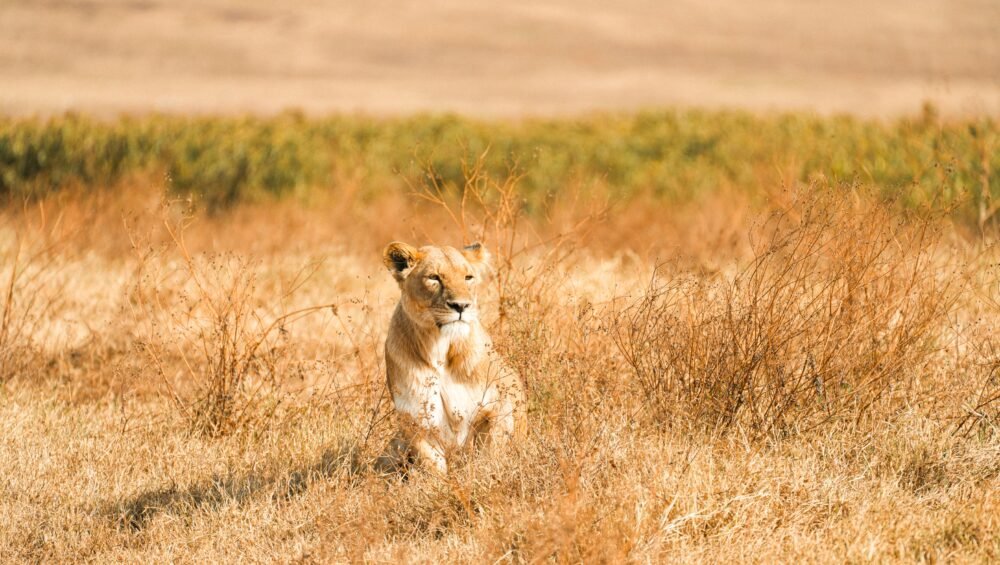
Image credit: Lioness in open grassland. Photo by Alex Ning via Pexels.
Publishing note: Add the focus keyphrase, SEO title and meta description in the SEO plugin fields. Keep the image credit with the photograph and remove this publisher-only SEO section from the public article.