Lake Manyara National Park occupies a relatively small area compared with Serengeti or Tarangire, but its scenery changes quickly as the road moves from the Rift Valley escarpment into groundwater forest, open woodland, grassland and the lakeshore. The contrast is what makes the park interesting. A visitor may begin beneath a dense canopy where sunlight filters through the trees, continue into more open country where giraffes and elephants are easier to see, and reach a broad view of the alkaline lake where waterbirds gather when conditions are suitable.
The park is often included in a northern Tanzania safari because it lies between the Arusha area and the Ngorongoro highlands. It can be visited as a day trip or as part of a longer itinerary, although the value of a stop depends on the season and the traveller’s interests. Lake Manyara is particularly appealing to people who enjoy varied habitats, birdlife and the scenery of the Great Rift Valley. It is also known for its tree-climbing lions, but these are not seen on every visit and should not be treated as the sole reason to come.
Understanding the park’s geography helps set realistic expectations. The lake expands and contracts with rainfall, the number of birds along the shore changes with water conditions, and wildlife uses different sections of the park at different times. Tanzania Beauty Safaris plans Lake Manyara as a destination with its own character, rather than simply a short checklist stop between Tarangire and Ngorongoro.
The Rift Valley Setting and Lake Manyara’s Changing Habitats
Lake Manyara lies beneath the western escarpment of the Great Rift Valley, and the steep wall of the valley gives the park much of its visual identity. From some viewpoints, the escarpment rises sharply above the low-lying lake basin, while the road below passes through vegetation that changes with soil, water and elevation. The park includes groundwater forest fed by water emerging from the highlands, open woodland, grassland, marsh and the alkaline lake itself. This close arrangement of habitats is unusual and means that a relatively short game drive can offer several different environments.
The groundwater forest is one of the park’s most distinctive areas. Tall trees form a shaded canopy, and the vegetation can feel cool and enclosed compared with the open plains elsewhere on the northern circuit. Blue monkeys and baboons are often associated with forest habitats, while elephants may move through clearings and along established routes. The forest is also valuable for birds, including species that use the canopy and undergrowth. Visitors should keep a respectful distance from primates and avoid feeding them, since human food can change natural behaviour and create problems around vehicles and picnic areas.
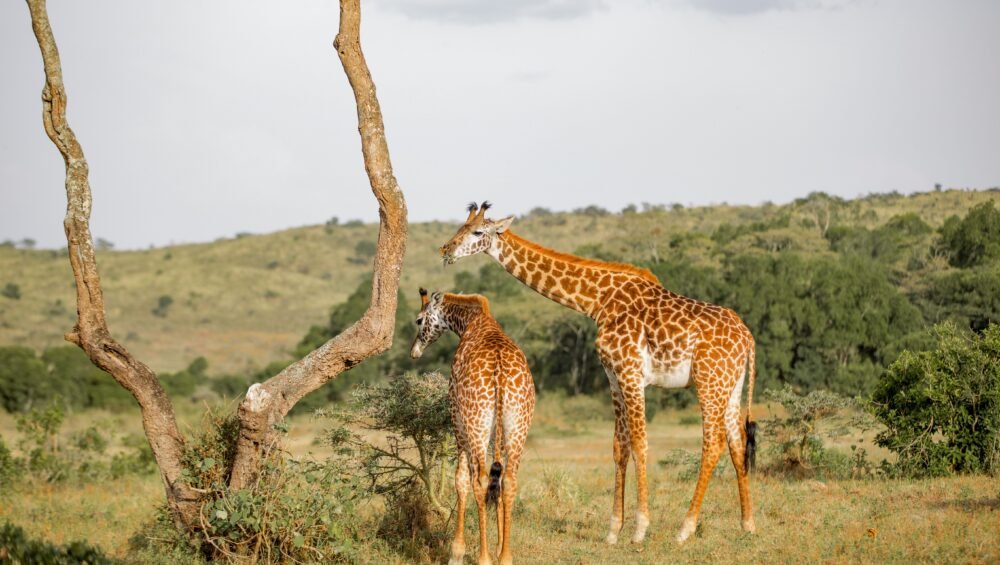
Beyond the forest, the park opens into woodland and grassland where larger mammals may be easier to observe. Giraffes browse on trees, buffalo use open patches and elephants move between feeding areas and water. The lakeshore and marshes create another ecological zone, supporting waterbirds and animals that use the wet ground. The extent of each habitat changes with water levels and seasonal rainfall, so the appearance of the park is not identical from one month to the next. A guide who knows the park can explain these transitions as the vehicle moves through them.
The lake itself is shallow and alkaline, and its surface area fluctuates according to the balance between rainfall and evaporation. When conditions are suitable, flamingos and other waterbirds may be present, but their numbers and distribution are variable. A visitor should not assume that the shoreline will always be covered in pink birds. The lake is still important as a landscape feature and as part of the park’s wetland ecology, even when bird concentrations are modest. The changing waterline is one of the reasons Lake Manyara is worth understanding as a dynamic environment rather than a fixed photographic scene.
Wildlife and Birdlife: What You May See in the Park
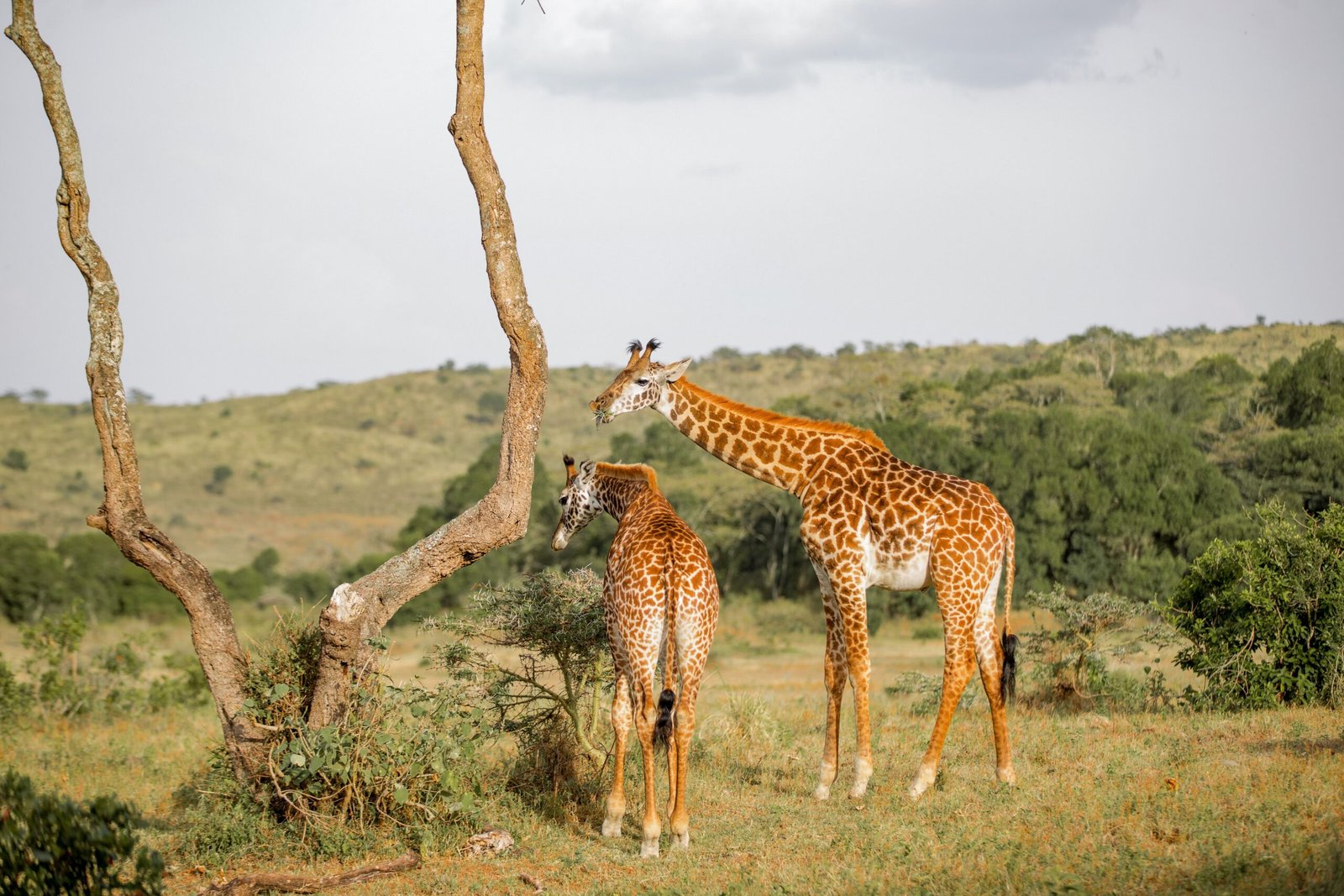
Lake Manyara supports a varied mammal community, including elephants, giraffes, buffalo, zebra, wildebeest, baboons, blue monkeys and several antelope species. The combination of forest, woodland and open grassland means that different animals are encountered in different parts of the park. Elephants may be seen feeding or moving through the forest, while giraffes and zebra are more visible in open areas. Baboons often travel in large troops and can be observed along the roadside, but visitors should not encourage them to approach vehicles or campsites.
The park is famous for reports of tree-climbing lions. Lions are capable of climbing trees in several parts of Africa, and in Lake Manyara they have sometimes been observed resting on branches. The behaviour is unusual enough to attract attention, but it is not a reliable daily sighting. Lions may be resting on the ground, hidden in vegetation or using a different part of the park. A safari should not be judged solely by whether a lion is found in a tree. The broader experience of the park includes its forest, lake, birdlife and other mammals.
Birdwatching is one of Lake Manyara’s strongest attractions. The park’s range of habitats supports waterbirds, forest species, woodland birds and raptors. Depending on water levels and season, visitors may see flamingos, pelicans, storks, herons and other birds around the lake and wetlands. The forest and woodland hold a different community, and a patient observer may notice hornbills, kingfishers, rollers, bee-eaters and smaller species. Migratory birds are present during parts of the year, adding seasonal variety. Binoculars are particularly useful because many birds remain at a distance or move quickly through vegetation.
Wildlife viewing in Lake Manyara is influenced by visibility. The forest can be dense, and animals may be heard or detected by movement before they are clearly seen. In open country, sightings can be easier, but the animals may be farther away. A guide’s role is to interpret tracks, calls and habitat use, while respecting park rules and avoiding pressure on wildlife. The best game drive is not necessarily the one with the longest species list; it is often the one that gives time to understand why different animals use different parts of the park.
When to Visit Lake Manyara and How the Seasons Affect the Experience
Lake Manyara can be visited throughout the year, but seasonal conditions influence the scenery, road surfaces, birdlife and visibility. The dry season, broadly June to October, often brings firmer roads and more open visibility in some areas as vegetation becomes less dense. Wildlife may concentrate around remaining water and greener patches. The lake’s waterline can retreat during dry periods, and the number of waterbirds depends on the available habitat and food. These changes are natural and mean that a visit in one year may look different from a visit in another.
The green season, including the period of short rains around November and December and the longer rains around March to May, can make the park especially attractive for photography and birdwatching. Forest and woodland become lush, the escarpment may be softened by cloud and the landscape feels very different from the dry-season plains. Migratory birds add interest during parts of this period. Rain can make some tracks slower or muddy, and dense vegetation may reduce the visibility of mammals in certain areas. Travellers should choose this season for its own qualities rather than expecting exactly the same conditions as the dry months.
There is no single best month for every visitor. People focused on birdlife may value the wetter months, while those seeking easier road conditions may prefer the dry season. Travellers combining Lake Manyara with Tarangire and Ngorongoro should consider the overall route, because the most suitable time for one park may not be the only factor shaping the trip. A short visit can be worthwhile in either season, provided the itinerary allows enough time to explore the habitats rather than treating the park as a rushed transfer stop.
Lake Manyara is often visited as a full-day excursion from Karatu or as a stop on the route between Arusha and Ngorongoro. The length of the visit should reflect the traveller’s interests. A general wildlife safari may need several hours, while birdwatchers and photographers may prefer a slower day with time in different habitats. Tanzania Beauty Safaris can advise whether Lake Manyara adds meaningful variety to a proposed route or whether the available time would be better spent in another park, depending on the season and the priorities of the group.
How to Include Lake Manyara in a Northern Tanzania Safari
Lake Manyara is commonly combined with Tarangire and Ngorongoro because the parks are relatively close within the northern circuit. It can be visited before continuing to Karatu and the crater, or as part of a route that begins in Arusha and moves west. The best order depends on arrival time, accommodation location and the number of nights available. Travellers should avoid assuming that a map distance tells the whole story: park gates, road conditions, stops and the time needed for game viewing all influence the actual schedule.
For some itineraries, Lake Manyara works well as a day trip from a lodge in Karatu. This can reduce the need to change accommodation and leave more time for the other parks. For other travellers, staying closer to the park may make sense if birdwatching or a slower visit is a priority. Accommodation options vary in setting and comfort, and it is worth confirming the actual location and transfer time rather than relying on a broad description such as ‘Lake Manyara lodge’. A well-positioned base can make an early start easier and reduce unnecessary driving.
A safari quotation should make clear whether park entry fees, vehicle costs, meals, accommodation and transfers are included. If Lake Manyara is part of a multi-park itinerary, ask how much time is allocated to the game drive and whether the day also includes a long transfer. The route should leave room for lunch and rest, particularly for families or travellers who prefer a relaxed pace. A private vehicle can offer flexibility to spend longer in a habitat that interests the group, subject to park regulations and the guide’s judgement.
Visitors should bring binoculars, sun protection, a hat and a light layer for changing weather. Neutral, comfortable clothing is suitable for game drives, while a waterproof jacket can be useful during the rainy months. Keep cameras and personal items secure in the vehicle, and follow the guide’s instructions around wildlife and picnic areas. As in other parks, feeding animals or leaving litter is inappropriate. Tanzania Beauty Safaris can coordinate the visit as part of a private northern circuit journey and explain how Lake Manyara fits with the rest of the route.
Frequently Asked Questions About Lake Manyara National Park
Is Lake Manyara worth visiting on a Tanzania safari?
Lake Manyara is worth considering for travellers who enjoy varied habitats, forest scenery, birdlife and Rift Valley landscapes. It offers a different experience from the open plains of the Serengeti and the baobab country of Tarangire. Whether it belongs in a short itinerary depends on the season and the traveller’s interests.
Can you see tree-climbing lions in Lake Manyara?
Tree-climbing lions have been observed in the park, but they are not guaranteed. Lions may be resting on the ground or hidden in vegetation, and sightings depend on their movements. The park has much more to offer than this one behaviour.
When are flamingos visible at Lake Manyara?
Flamingos and other waterbirds may gather when lake conditions and food availability are suitable. Their numbers change with water levels and season, so a large flock should not be promised for a specific travel date.
How long should I spend in Lake Manyara?
Many visitors explore the park on a full-day game drive. Birdwatchers and photographers may prefer a slower visit, while travellers on a tight northern circuit itinerary may include it as a shorter stop if the route allows.
Can Lake Manyara be combined with Tarangire and Ngorongoro?
Yes. It is often included in northern circuit itineraries with Tarangire and Ngorongoro Crater. The order depends on the starting point, accommodation and number of days available.
The park is also a useful choice for travellers who want variety without adding a long detour to the northern circuit. Its habitats are close together, but the experience is different from the open plains and volcanic landscapes found elsewhere. If you have a special interest in birds, tell your guide before the visit so that enough time can be allowed around the forest and wetland areas. If your priority is large mammals, the guide can adapt the route to the recent conditions and wildlife reports.
Plan a Lake Manyara Safari with Tanzania Beauty Safaris
Lake Manyara offers a rewarding change of scenery within northern Tanzania. Its groundwater forest, open woodland, lakeshore and Rift Valley escarpment create a compact but varied safari landscape. For some visitors, the main attraction is the birdlife; for others, it is the chance to see elephants moving through forest or to experience a park that feels different from the open savannah. The best way to include it is to consider what it adds to the whole journey.
Tanzania Beauty Safaris can arrange Lake Manyara as a day visit or as part of a wider northern circuit safari. We can help decide whether to combine it with Tarangire and Ngorongoro, select a suitable overnight base and plan the game-drive time around your interests. Share your dates, group size, starting point and preferred accommodation style, and we can prepare a route with clear details about transfers, meals, fees and inclusions.
If birdlife, photography or varied scenery is important to you, mention this when planning your safari. It may influence the time of year and the pace of the visit. Wildlife and bird sightings are always subject to natural conditions, but a well-planned day gives you the opportunity to appreciate the park beyond its most familiar photographs.
Before adding Lake Manyara to a short itinerary, consider whether it contributes something you particularly want to experience. For some travellers, the forest and birdlife make it an important stop; others may prefer to use the available day for more time in Serengeti or Ngorongoro. There is no need to include every park simply because it appears on a standard northern circuit map. Tanzania Beauty Safaris can help weigh the alternatives and recommend a route that gives each destination enough time.
SEO Information for the Publisher – Remove This Section Before Publishing
Focus keyphrase: Lake Manyara National Park safari
SEO title: Lake Manyara National Park Safari: Forest, Birds & Rift Valley
Meta description:
URL slug: lake-manyara-national-park-safari-guide
Suggested internal links: link to Tarangire safari guide, Ngorongoro Crater guide, Tanzania safari guide and best time for safari in Tanzania.
Image credit: Giraffes in the Tanzanian savanna. Photo by Moses Londo via Pexels.
Publishing note: Add the focus keyphrase, SEO title and meta description in the SEO plugin fields. Keep the image credit with the photograph and remove this publisher-only SEO section from the public article.